Our Location
Free Trade Tower, Xiyong street.
Chongqing, China

Free Trade Tower, Xiyong street.
Chongqing, China
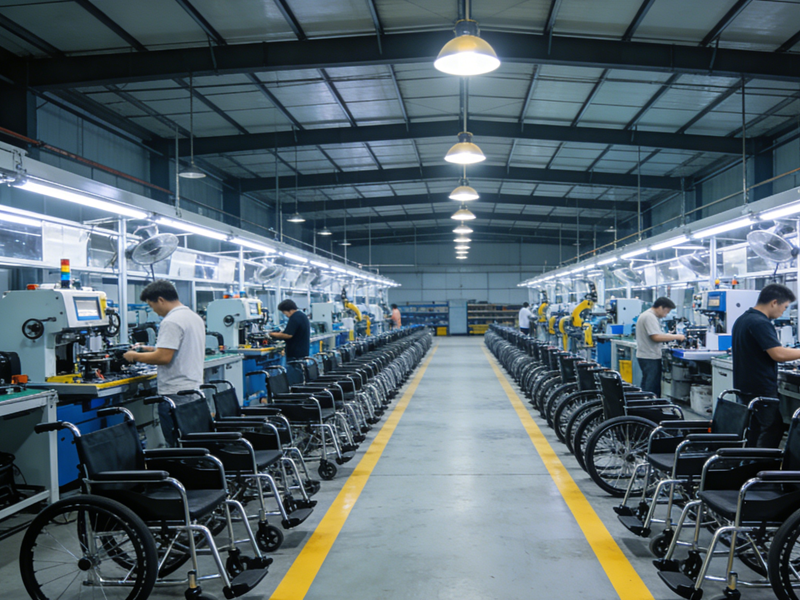
CE certification is more than just a label—it’s a gateway to the European market and a benchmark for safety, quality, and compliance. For wheelchair manufacturers, obtaining CE marking means their products meet strict EU requirements for health, safety, and environmental protection.
For buyers, importers, and medical distributors, understanding which manufacturers hold CE certification is essential when sourcing reliable mobility solutions. This guide takes a deep dive into globally recognized CE-certified wheelchair manufacturers, offering practical insights, industry context, and selection strategies—written from the perspective of a professional mobility equipment blogger.
Before diving into the list, it’s important to clarify what CE certification implies.
CE marking confirms that a wheelchair complies with European Union medical device regulations (MDR), ensuring it has undergone rigorous testing for safety, durability, and performance.
For electric wheelchairs, this typically includes:
In short: CE certification is not optional—it’s a trust signal.
Instead of a generic directory, let’s explore manufacturers by region and specialization—giving you a clearer understanding of their strengths and market positioning.
Asia-Based Manufacturers (Export-Oriented & Cost-Competitive)
1. Iyasocare(China)
A fast-growing export-oriented manufacturer with CE and ISO13485 certification.
Iyasocare is particularly suitable for distributors seeking flexibility, private labeling, and competitive pricing without sacrificing compliance.
2. INTCO Medical
One of the largest OEM wheelchair manufacturers globally.
Ideal for bulk procurement and global distribution chains.
3. Topmedi (Guangzhou)
A well-known CE-certified mobility equipment supplier.
4. Satcon Medical
A modern OEM/ODM manufacturer with global reach.
5. Yuwell Medical
A major Chinese medical device company.
6. JBH Medical
Specializes in portable electric wheelchairs.
7. Kaiyang Medical
Focused on rehabilitation and mobility aids.
8. Foshan Dongfang Medical
A cost-effective manufacturer for developing markets.
9. Grace Medy
High-volume manual wheelchair specialist.
10. Shanghai Brother Medical
OEM-focused manufacturer with CE compliance.
11. Changshu Pingfang Wheelchair
Specializes in lightweight and transport wheelchairs.
12. YATTLL Mobility
Growing brand in Asia and Europe.
European brands typically lead in design, ergonomics, and clinical-grade innovation.
13. Vermeiren (Belgium)
A well-established European manufacturer.
14. Sunrise Medical (Germany)
One of the most recognized global brands.
15. Ottobock (Germany)
A leader in advanced mobility and prosthetics.
16. Meyra (Germany)
A long-established rehabilitation equipment manufacturer.
17. Karma Medical (Taiwan / EU presence)
Global mobility brand with CE compliance.
18. Permobil (Sweden)
Premium power wheelchair specialist.
Other Globally Recognized CE-Compliant Brands (Overview)
While not all detailed here, several international brands typically meet CE standards due to their presence in EU markets:
These companies tend to operate in the premium segment, with advanced customization and clinical-grade solutions.
Looking across these manufacturers, several patterns emerge:
1. Compliance + Export Readiness
Most CE-certified brands are export-oriented, with documentation, labeling, and logistics aligned for international trade.
2. Increasing Focus on Lightweight & Folding Designs
Modern users demand portability—especially for travel and urban environments.
3. Integration of Smart Features
Electric wheelchairs now include:
4. OEM/ODM Customization Is Growing
Manufacturers like Iyasocare and Topmedi allow branding, feature adjustments, and packaging customization—critical for distributors.
Selecting a manufacturer isn’t just about certification. Here’s what experienced buyers evaluate:
Documentation Depth
Ask for:
Production Capability
After-Sales Support
Real-World Testing
Always request samples. Certification alone doesn’t guarantee user comfort or durability.
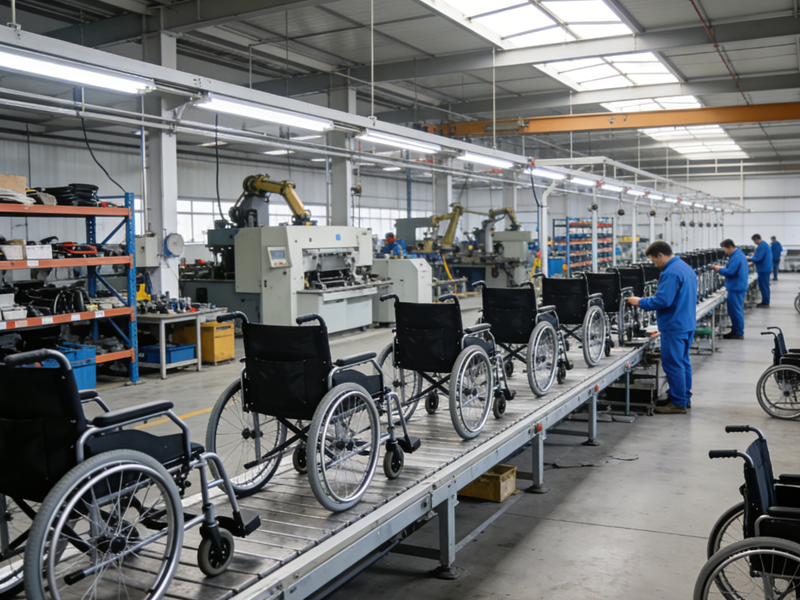
With stricter EU Medical Device Regulation (MDR), compliance is becoming more complex. Manufacturers that already meet CE standards are better positioned for long-term market stability.
For buyers, this reduces risk:
The global wheelchair manufacturing landscape is evolving quickly. While premium European brands continue to lead in innovation, Asian manufacturers—especially companies like Iyasocare—are closing the gap by offering CE-certified, cost-effective, and customizable solutions.
For distributors and healthcare buyers, the smartest strategy isn’t choosing the “biggest” brand—it’s choosing the right balance between certification, cost, and usability.
1. Is CE certification enough to guarantee wheelchair quality?
Not entirely. CE certification ensures compliance with EU safety standards, but it doesn’t measure comfort, durability over time, or user experience. Always combine certification checks with product testing and supplier audits.
2. Are Chinese wheelchair manufacturers reliable for EU markets?
Yes—many are. Brands like Iyasocare, Dayang, and Topmedi already produce CE-certified products and export globally. The key is verifying documentation, requesting samples, and confirming after-sales support.
3. What documents should I request before importing a CE-certified wheelchair?
At minimum:
These documents ensure smooth customs clearance and regulatory acceptance.