Our Location
Free Trade Tower, Xiyong street.
Chongqing, China

Free Trade Tower, Xiyong street.
Chongqing, China
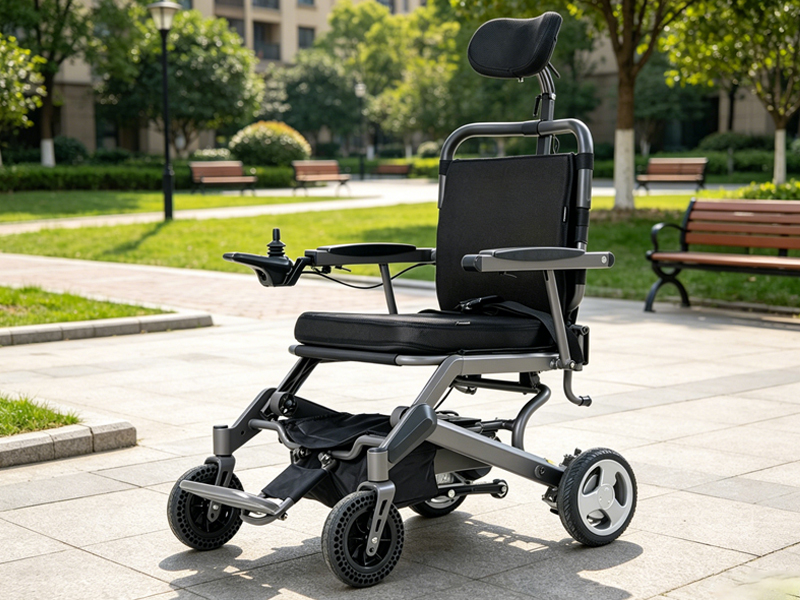
Choosing a wheelchair is rarely as simple as picking a size, a color, or a familiar brand. For many users, family members, caregivers, rehabilitation specialists, and medical equipment buyers, the real decision often begins with the frame material. Among all wheelchair frame options on the market, aluminum and steel remain the two most trusted choices worldwide. Both materials have built decades of credibility in mobility equipment, and both continue to dominate hospitals, rehabilitation centers, home care environments, and personal mobility markets.
Table of Contents
ToggleYet when people begin comparing aluminum wheelchairs and steel wheelchairs, they often discover that the answer is not as straightforward as “lighter is better” or “stronger is better.” Material selection influences nearly every aspect of the user experience—from transportation and portability to long-term maintenance, ride comfort, durability, and even posture support during daily use.
Whether you are purchasing your first wheelchair, replacing an older model, sourcing products for a medical business, or helping a loved one make an informed decision, understanding the real differences between aluminum and steel wheelchair frames can prevent expensive mistakes and significantly improve long-term satisfaction.
When people first shop for a wheelchair, they usually focus on visible features such as seat width, armrests, footrests, wheel size, or foldability. While those features are important, the frame material acts as the foundation of the entire chair.
A wheelchair frame determines structural integrity, total weight, energy efficiency during propulsion, ease of lifting, resistance to corrosion, vibration absorption, and long-term reliability. It affects not only how the wheelchair performs today, but how it performs after months or even years of daily use.
A user who spends several hours per day in a wheelchair will quickly notice differences in ride feel, maneuverability, and fatigue. A caregiver lifting a wheelchair into a vehicle multiple times per week will notice differences even faster.
This is why choosing between aluminum and steel should never be treated as a minor technical detail. It directly affects comfort, mobility, and independence.
Aluminum wheelchairs have become increasingly popular across international mobility markets, especially among active users, travelers, and caregivers who prioritize lightweight performance.
Aluminum is known for its low density, which allows manufacturers to create strong yet lightweight wheelchair frames. Most aluminum wheelchairs weigh noticeably less than comparable steel models, making them easier to lift, transport, and maneuver.
This reduced weight translates into real daily benefits. Users who self-propel often expend less energy with a lighter wheelchair. Caregivers transporting the chair in and out of cars, public transportation, or storage spaces also experience less physical strain.
Another major advantage of aluminum is corrosion resistance. Unlike untreated steel, aluminum naturally forms a protective oxide layer that helps prevent rust. This makes aluminum wheelchairs particularly useful in humid climates, coastal regions, or environments where the chair may be exposed to moisture.
For users who travel frequently, live in apartments with stairs, or need to fold and transport their wheelchair often, aluminum frames often provide a more convenient solution.
At the same time, aluminum is not perfect. Because it is a lighter and stiffer material, some aluminum wheelchairs may transmit more road vibration, especially on rough terrain or uneven pavement. This can affect comfort during extended outdoor use if the chair lacks proper cushioning or suspension support.
Additionally, aluminum frames can sometimes cost more than entry-level steel alternatives, depending on the design, frame engineering, and customization options.
Still, for many modern users, the balance of portability, performance, and low maintenance makes aluminum one of the most attractive wheelchair materials available.
Steel wheelchairs have a long history in healthcare and mobility equipment, and for good reason. Steel remains one of the most dependable and durable frame materials in the wheelchair industry.
Steel offers exceptional structural strength. It can withstand heavy daily use, repeated transfers, and demanding environments with impressive consistency. This is one reason why many hospitals, nursing facilities, rehabilitation centers, and institutional care environments continue to use steel-frame wheelchairs.
One of steel’s less discussed advantages is ride comfort. Steel naturally absorbs vibration better than aluminum in many applications, which can create a smoother and more stable feeling—especially on uneven surfaces such as sidewalks, ramps, outdoor pathways, or older flooring.
Users who spend long hours seated may appreciate this subtle but meaningful difference.
Steel wheelchairs are also often more affordable than aluminum models, making them an attractive option for budget-conscious buyers, healthcare institutions, and families purchasing their first wheelchair.
Repairability is another advantage. In some markets, steel frames can be easier and more cost-effective to repair if structural damage occurs.
However, steel comes with trade-offs. Weight is the most obvious one. Steel wheelchairs are typically heavier than aluminum models, which can make transportation more challenging. Caregivers may find lifting the chair into vehicles more physically demanding, and self-propelling users may notice greater energy expenditure over time.
Steel is also more vulnerable to rust if the frame coating becomes damaged or if the wheelchair is regularly exposed to moisture without proper maintenance.
Despite these limitations, steel remains one of the most trusted materials for users who prioritize stability, strength, and long-term durability over lightweight portability.
Looking at specifications on paper is helpful, but the true differences between aluminum and steel become much clearer in daily life.
Imagine a caregiver who transports a wheelchair in and out of a car every morning and evening. Over time, even a difference of several kilograms can significantly affect physical strain. In this scenario, aluminum usually becomes the preferred option.
Now consider a rehabilitation center where multiple patients use the same wheelchair throughout the day, with frequent transfers and heavy operational use. In this environment, steel may offer better long-term durability and cost efficiency.
A user living in a city apartment, relying on public transportation, elevators, and tight indoor spaces, may value aluminum’s agility and portability.
A user living in a rural area, frequently navigating uneven outdoor surfaces, may appreciate the stable and grounded feel of a steel frame.
These examples highlight an important truth: the best wheelchair material depends less on the material itself, and more on the lifestyle of the person using it.
Weight is often the first comparison buyers make, and it is one of the most practical factors.
Aluminum clearly has the advantage in portability. Lightweight wheelchairs are easier to fold, carry, load into vehicles, and maneuver through daily environments. For active users who travel often, this can be a major quality-of-life improvement.
Self-propelling users may also notice better efficiency. Every push requires energy, and reducing overall chair weight can reduce upper-body fatigue over time.
This becomes especially important for users with limited arm strength, seniors, or individuals recovering from injury.
Steel wheelchairs, by comparison, are heavier. This does not automatically make them worse, but it does change the user experience.
A heavier chair can feel more planted and stable, which some users prefer. However, lifting and transportation become more physically demanding.
If portability is your top priority, aluminum generally wins.
If transport is rare and stability matters more, steel remains highly competitive.
Many buyers assume steel is always stronger than aluminum, but modern engineering makes this comparison more nuanced.
Steel traditionally offers excellent tensile strength and durability, especially under repeated stress. It performs exceptionally well in high-use environments and often inspires confidence among institutional buyers.
Aluminum, however, has evolved significantly. High-quality aluminum alloys can provide impressive strength while maintaining low weight.
For standard users, both materials can offer sufficient strength when properly engineered.
That said, for bariatric applications or environments involving exceptionally heavy use, steel often remains the preferred choice because of its long-standing reputation for structural endurance.
If maximum load capacity and rugged use are primary concerns, steel often holds a practical advantage.
Comfort is one of the most underestimated aspects of wheelchair selection.
Steel frames often deliver a smoother, more forgiving ride. Their material properties can absorb road vibration more naturally, reducing some of the impact from rough surfaces.
For users spending extended periods in the chair, this can improve overall comfort and reduce fatigue.
Aluminum frames tend to be stiffer. This stiffness can improve responsiveness and maneuverability, but it may also transmit more vibration depending on wheel design, seat cushioning, and tire configuration.
This does not mean aluminum is uncomfortable. High-quality seating systems, pneumatic tires, and ergonomic design can dramatically improve comfort.
Still, if ride softness is a top priority, steel often earns strong consideration.
Both aluminum and steel wheelchairs can last for years when properly maintained.
Steel’s reputation for durability is well established. It handles repeated impact, daily institutional use, and demanding environments with consistency.
Aluminum also offers excellent longevity, especially in personal-use applications. Because it resists corrosion naturally, it often performs exceptionally well in humid or outdoor conditions.
However, aluminum can behave differently under repeated stress over very long periods. Frame engineering, weld quality, and manufacturer standards become especially important.
In other words, build quality often matters as much as material choice.
A well-designed aluminum wheelchair can outlast a poorly manufactured steel model.
A high-quality steel wheelchair can serve reliably for many years under intensive use.
Material matters—but engineering matters just as much.
Maintenance is another major factor, especially for long-term users.
Aluminum requires relatively little maintenance when it comes to corrosion resistance. It performs well in humid climates, rainy regions, or coastal areas where salt exposure may accelerate rust on other metals.
Steel requires more attention. Protective coatings help prevent corrosion, but scratches or chipped paint can expose the metal underneath.
Users in wet environments may need to inspect steel frames regularly and perform preventive maintenance.
If low maintenance is important, aluminum usually offers greater convenience.
Budget often influences the final decision.
Steel wheelchairs generally offer a lower upfront purchase price, making them accessible for families, institutions, and first-time buyers.
Aluminum wheelchairs often cost more initially, especially lightweight or performance-oriented models.
However, the real question is not just purchase price—it is value over time.
If a lighter frame improves independence, reduces caregiver strain, and makes transportation easier every day, aluminum may justify the higher investment.
If the chair will be used in a fixed location, by multiple users, or in a high-traffic clinical environment, steel may deliver better long-term return on investment.
The cheapest option is not always the most economical option.
The best value comes from choosing the material that matches actual usage.
Aluminum may be the better choice if you:
Travel frequently and need easy transportation
Load the wheelchair into a vehicle regularly
Live in apartments or urban environments
Need better maneuverability indoors
Prefer lower maintenance
Live in humid or coastal climates
Self-propel and want reduced fatigue
For active lifestyles, aluminum often aligns better with daily convenience and mobility independence.
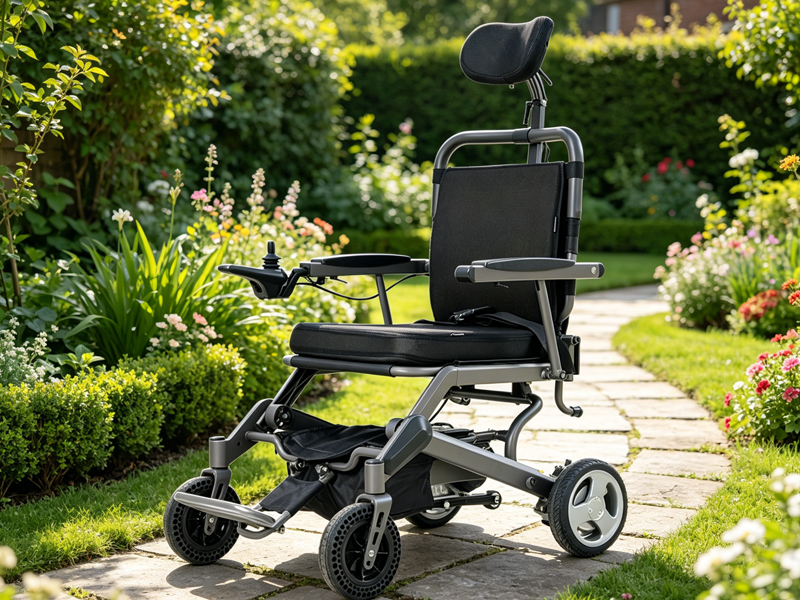
Steel may be the better choice if you:
Prioritize maximum durability
Need a stable and grounded ride
Use the wheelchair primarily in one location
Operate in institutional or clinical environments
Need a cost-effective long-term solution
Prefer stronger vibration absorption
Require heavy-duty or high-capacity support
For reliability-focused applications, steel continues to perform exceptionally well.
Before choosing between aluminum and steel, ask yourself a few practical questions.
How often will the wheelchair be transported?
Will the user self-propel or rely on a caregiver?
How many hours per day will the chair be used?
Will it be used mostly indoors, outdoors, or both?
Does the user prioritize comfort, portability, or durability?
Is the environment humid, rainy, or coastal?
What matters more—lower upfront cost or long-term convenience?
These questions often reveal the right answer more clearly than any product specification sheet.
When comparing aluminum and steel wheelchairs, many buyers search for a single winner. In reality, there isn’t one.
Aluminum offers portability, modern performance, corrosion resistance, and easier transportation. Steel delivers proven durability, stability, comfort, and excellent value in demanding environments.
The best wheelchair is not the one with the lightest frame or the strongest material. It is the one that fits the user’s body, lifestyle, environment, and long-term mobility goals.
A wheelchair is not simply a product—it is part of someone’s daily independence.
Choosing the right frame material means choosing comfort, confidence, and quality of life for years to come.
And when viewed from that perspective, the decision between aluminum and steel becomes much clearer.
WhatsApp us