Our Location
Free Trade Tower, Xiyong street.
Chongqing, China

Free Trade Tower, Xiyong street.
Chongqing, China
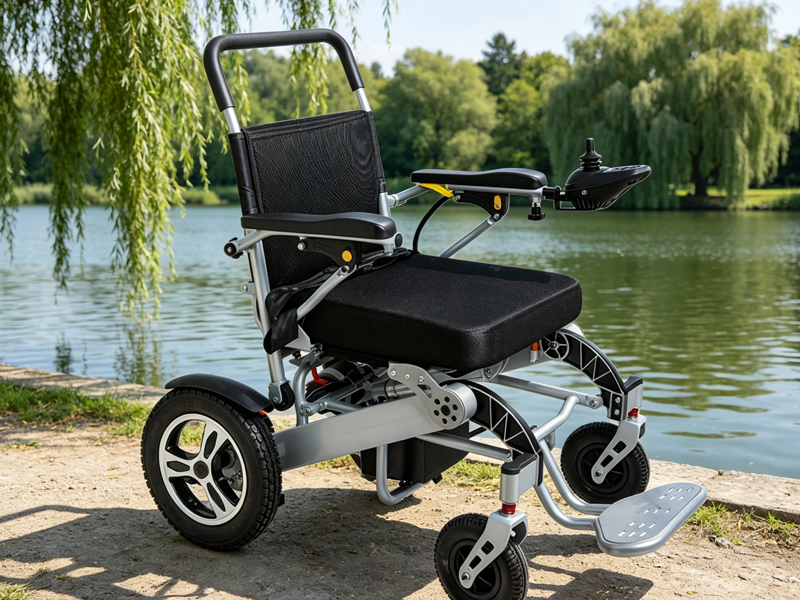
Mobility technology has evolved far beyond the traditional wheelchair. Today’s users are no longer looking for a basic mobility aid that simply moves from point A to point B. Modern consumers expect portability, intelligent control systems, travel convenience, ergonomic comfort, and safety features that fit naturally into everyday life. This shift has accelerated the global demand for foldable intelligent electric wheelchairs designed for both indoor and outdoor independence.
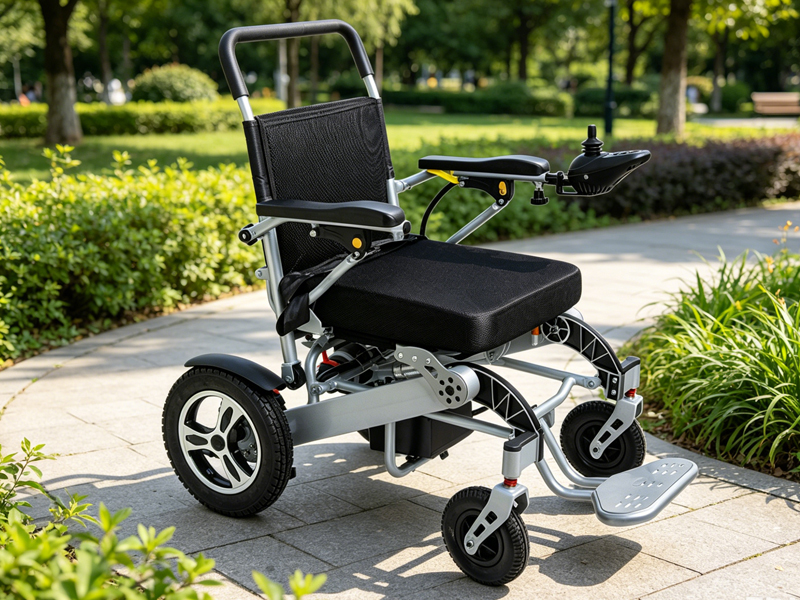
Among the newest innovations in this category, the self-folding intelligent control electric wheelchair has emerged as a practical solution for users who value flexibility, comfort, and freedom of movement. Lightweight construction, smart braking systems, remote-control operation, and compact folding structures ar e no longer considered luxury additions — they are becoming essential expectations in the modern mobility industry.
The foldable electric wheelchair series developed by Iyasocare demonstrates how engineering and user-centered design can work together to create a more independent lifestyle for seniors, rehabilitation patients, caregivers, and individuals with limited mobility. Models such as the YSE130X and related intelligent folding wheelchairs combine advanced functionality with practical portability, helping users regain confidence in travel, daily errands, family activities, and social engagement.
Electric wheelchairs used to be associated with bulky frames, complicated operation, and limited portability. Traditional power wheelchairs often required large vehicle lifts, heavy batteries, and permanent storage space. For many users, transportation became a challenge rather than a convenience.
The rise of lightweight foldable electric wheelchairs changed this perception entirely. Modern designs focus on simplifying movement in real-world situations. Whether navigating airports, shopping centers, sidewalks, parks, or residential spaces, users increasingly need mobility devices that adapt to fast-paced lifestyles.
The intelligent self-folding electric wheelchair represents the next stage of this evolution. It combines several essential features into one integrated mobility solution:
These innovations are particularly important because mobility users today are more active than previous generations. Many seniors continue traveling regularly. Rehabilitation patients often require temporary but highly flexible mobility support. Caregivers need equipment that reduces physical lifting strain while improving daily usability.
Modern wheelchair engineering is no longer just about movement — it is about restoring independence, dignity, convenience, and confidence.
One of the most significant advancements in electric wheelchair design is the folding structure. Foldability directly affects whether a wheelchair becomes practical for everyday life or remains difficult to transport.
Conventional power wheelchairs can weigh over 45–70 kilograms and often require ramps or lifts. In contrast, lightweight foldable electric wheelchairs built with aluminum alloy frames dramatically reduce transportation challenges. Several modern foldable models now weigh under 30 kilograms while still maintaining strong load-bearing performance.
For users and caregivers, this difference changes daily life in meaningful ways.
A compact folding electric wheelchair can fit into:
This portability creates freedom. Users are no longer restricted by whether a destination can accommodate large medical equipment. Instead, mobility becomes integrated into normal travel routines.
Community discussions among wheelchair users also highlight portability as one of the most valued features in modern electric wheelchairs. Many users specifically prioritize lightweight folding designs because they simplify transportation and reduce dependence on others.
The demand for foldable intelligent wheelchairs is especially strong among:
A self-folding intelligent wheelchair addresses these real-world needs by combining compact storage with reliable powered mobility.
Smart mobility technology is transforming the wheelchair experience. Earlier electric wheelchairs often required complicated controls and lacked adaptive functionality. Modern intelligent wheelchairs now focus on intuitive operation, responsive steering, and enhanced user safety.
The intelligent control systems integrated into advanced foldable wheelchairs offer several important benefits.
Smooth One-Handed Operation
Modern joystick systems are designed for easy one-handed navigation. Users can control direction, acceleration, braking, and speed adjustments with minimal physical effort. This is particularly valuable for elderly users or individuals with reduced upper-body strength.
Some intelligent controllers also feature:
These improvements reduce the learning curve and make operation more accessible for first-time users.
Remote-Control Assistance
Remote-control functionality has become increasingly important in modern electric wheelchair design. Caregivers and family members can assist users in narrow indoor spaces, crowded public areas, or situations requiring additional support.
This feature creates added reassurance for both users and caregivers, especially during:
Some intelligent wheelchairs now integrate remote-control operation directly into the mobility system, allowing more flexible and supportive use.
Flexible Steering in Tight Spaces
Indoor maneuverability is another major advantage of intelligent control systems. Advanced steering design allows compact turning performance in:
360-degree steering capability helps users navigate narrow spaces without requiring large turning radiuses. This makes daily mobility significantly more practical in real-world environments.
Safety Is No Longer Optional
Safety remains one of the most critical factors when choosing an electric wheelchair. Modern users expect far more than basic movement support. They need reliable stability, controlled braking, and dependable performance across different surfaces.
Intelligent foldable electric wheelchairs increasingly integrate advanced safety systems that improve both confidence and usability.
Electromagnetic Braking Systems
Electromagnetic brakes automatically engage when the joystick is released. This prevents unwanted rolling and helps stabilize the wheelchair on slopes or uneven surfaces.
For many users, this feature dramatically improves confidence during outdoor mobility.
Automatic braking becomes especially important when navigating:
The integration of intelligent braking systems helps reduce accidental movement and improves overall driving stability.
Anti-Slip and Stability Features
Modern foldable wheelchairs are increasingly designed with:
These features help improve performance across:
Real-world user discussions frequently emphasize the importance of wheel stability and terrain adaptability when selecting a folding electric wheelchair.
Manual and Electric Switching
An intelligent electric wheelchair should not become unusable when battery levels decrease. Many modern models include manual/electric switching systems that allow continued operation even if power becomes limited.
This dual-mode functionality provides added security during longer outings and unexpected travel situations.
Frame material plays a major role in wheelchair usability. Steel frames can provide strength, but they also increase overall weight and transportation difficulty.
That is why modern intelligent folding wheelchairs increasingly rely on aluminum alloy structures. Aluminum offers an ideal balance between:
Several advanced foldable electric wheelchairs now utilize aviation-grade aluminum frames to improve portability without sacrificing structural reliability.
The benefits of lightweight construction include:
Users discussing foldable electric wheelchairs frequently point out that actual product weight significantly impacts long-term satisfaction. Heavier models can become difficult to transport consistently, even if they technically fold.
This is why lightweight engineering has become a major competitive advantage in modern mobility design.
Battery technology has improved dramatically over the past decade. Earlier electric wheelchairs often relied on heavy lead-acid batteries with limited range and long charging times.
Today’s intelligent foldable wheelchairs increasingly use lithium battery systems because they offer:
Modern lithium-powered electric wheelchairs can provide travel ranges suitable for daily errands, social activities, and outdoor mobility. Some folding models now offer ranges between 15 and 25 kilometers on a single charge depending on terrain, user weight, and driving conditions.
For users, battery reliability directly affects confidence and independence.
A dependable battery system allows users to:
Charging efficiency also matters. Many modern foldable wheelchairs now support practical overnight charging cycles of approximately 4–6 hours.
Comfort should never be underestimated in wheelchair design. Users may spend several hours each day seated in the wheelchair, making ergonomic support critically important.
Modern intelligent electric wheelchairs increasingly focus on improving:
Features such as reversible armrests, adjustable backrests, ergonomic seat plates, and reclining functions help improve long-term comfort and reduce physical fatigue.
Some advanced models now include electric reclining systems that allow users to adjust seating angles for relaxation and pressure management. This becomes especially beneficial during:
Comfort-focused engineering also improves mental well-being. Users are more likely to maintain active lifestyles when mobility equipment feels supportive rather than restrictive.
Global travel trends among seniors and mobility users continue expanding. Accessible tourism is becoming a major industry focus, and mobility products are adapting accordingly.
Travel-friendly electric wheelchairs must meet several practical requirements:
Several modern folding electric wheelchairs are specifically designed to support air travel and vehicle transportation.
This shift is important because mobility users increasingly expect independence during:
A wheelchair should not become an obstacle to participation in normal life experiences.
The versatility of intelligent foldable electric wheelchairs makes them suitable for a wide range of users.
Seniors Seeking Independent Living
Aging populations worldwide are driving increased demand for practical mobility support. Seniors often prioritize:
Foldable intelligent wheelchairs allow elderly users to maintain independence while reducing caregiver dependence.
Rehabilitation Patients
Individuals recovering from surgery, injury, or neurological conditions often require temporary or long-term mobility support. Intelligent electric wheelchairs provide adaptable assistance during rehabilitation while allowing continued social engagement.
Caregivers and Families
Caregivers benefit from:
A portable self-folding wheelchair can significantly reduce physical caregiver strain.
Active Lifestyle Users
Many users require mobility support only during certain activities or long-distance outings. Foldable electric wheelchairs allow flexible use without permanently changing lifestyle routines.
The future of mobility technology is not defined solely by engineering specifications. It is defined by how effectively products support real human experiences.
A well-designed intelligent folding electric wheelchair helps users:
This emotional impact is just as important as technical performance.
For many users, mobility equipment represents more than transportation. It represents access to daily life, community participation, personal confidence, and freedom of movement.
That is why intelligent electric wheelchair design continues evolving toward solutions that feel less clinical and more integrated into modern lifestyles.
The self-folding intelligent control electric wheelchair represents a significant step forward in modern mobility technology. By combining lightweight construction, intelligent safety systems, ergonomic comfort, remote-control functionality, and compact portability, these advanced wheelchairs provide a more flexible and independent mobility experience for today’s users.
As global demand for portable mobility solutions continues growing, foldable electric wheelchairs are becoming essential tools for active living rather than limited medical devices. The integration of smart technology, travel-friendly engineering, and user-centered comfort is reshaping expectations across the mobility industry.
Modern users want more than movement. They want independence without compromise, comfort without complexity, and mobility without limitations.
Innovative foldable intelligent electric wheelchairs are helping make that future possible.