Our Location
Free Trade Tower, Xiyong street.
Chongqing, China

Free Trade Tower, Xiyong street.
Chongqing, China
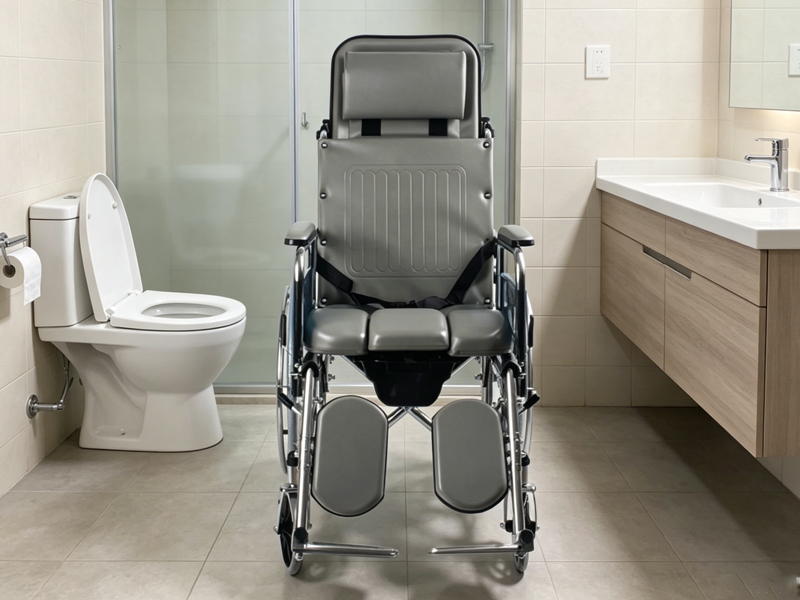
In the modern era of healthcare and personal mobility, multifunctional transfer commode wheelchairs have become a cornerstone for individuals seeking independence, comfort, and safety in their daily routines. For people with limited mobility—whether due to age, injury, or chronic conditions—these wheelchairs represent far more than mere seating solutions; they are tools of empowerment that enhance quality of life while maintaining dignity. In this comprehensive guide, we will explore the design, functionality, and advantages of multifunctional transfer commode wheelchairs, offering insights for users, caregivers, and healthcare professionals alike.
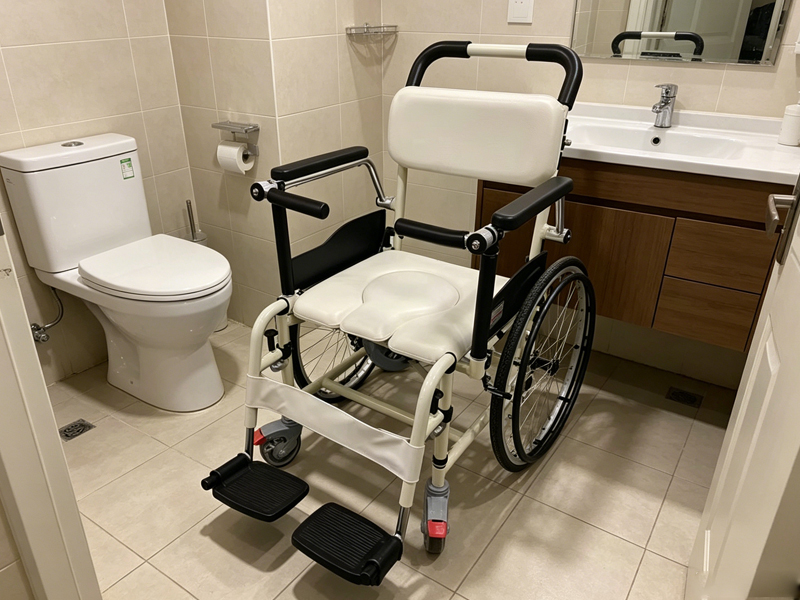
A multifunctional transfer commode wheelchair is a hybrid mobility device designed to combine the functions of a standard wheelchair with those of a bedside commode. This unique design allows users to navigate their environment with ease while providing accessible solutions for toileting needs. Unlike traditional wheelchairs, these devices are built to address multiple challenges:
Modern multifunctional wheelchairs are crafted from lightweight materials such as aluminum alloy, ensuring durability without compromising portability. This design consideration is crucial for those who frequently travel or require a wheelchair that can easily fit into vehicles or narrow home spaces.
The ingenuity behind multifunctional transfer commode wheelchairs lies in their design, which addresses practical challenges that traditional wheelchairs fail to solve. Here are some of the standout features commonly found in high-quality models:
1. Foldable and Lightweight Frames
Aluminum alloy frames are a popular choice due to their combination of strength and weight reduction. A foldable design allows the wheelchair to collapse for convenient storage and transportation, making it ideal for home use, travel, and clinical settings. The lightweight nature of these wheelchairs also reduces the physical strain on caregivers during lifting or maneuvering.
2. Adjustable Seat and Backrest
User comfort is paramount. Many multifunctional wheelchairs feature adjustable backrests and seats to accommodate different body types and medical conditions. Reclining backrests are especially beneficial for users with limited trunk stability or those who need to spend extended periods in the wheelchair. Some models also include cushioned seats for added comfort and pressure relief, helping prevent bedsores and other skin-related issues.
3. Removable Commode Bucket
One of the defining characteristics of these wheelchairs is the built-in commode functionality. The removable bucket allows for discreet toileting without requiring the user to transfer to a separate toilet. This feature not only enhances privacy but also significantly reduces the risk of accidents and injuries associated with transfers. Advanced models often include odor-control mechanisms and easy-to-clean surfaces, prioritizing hygiene and maintenance.
4. Safety Features
Safety is a critical consideration for mobility devices. High-quality multifunctional transfer commode wheelchairs incorporate features such as anti-tip wheels, secure locking brakes, and sturdy armrests to prevent falls or instability. Footrests are typically adjustable and swing-away, allowing safe transfers in and out of the chair. These design elements collectively ensure that users feel secure while maintaining independence.
5. Ergonomic Handles and Push Rims
Caregivers benefit from ergonomically designed push handles that reduce strain during propulsion. Similarly, larger rear wheels with specialized push rims allow users who are able to self-propel to navigate smoothly and comfortably. This combination of user and caregiver-oriented design reflects the thoughtful engineering behind these multifunctional devices.
The multifunctional transfer commode wheelchair is not merely a convenience; it is a transformative tool for daily living. Its applications extend across multiple scenarios, demonstrating its versatility and essential role in mobility care.
1. Home Care
For individuals receiving care at home, these wheelchairs simplify everyday routines. The ability to move seamlessly from a bedroom to a bathroom or living area, coupled with built-in toileting support, reduces caregiver workload and enhances the user’s independence. Families find that these wheelchairs minimize the need for frequent manual transfers, which can be physically taxing and risk injury for both parties.
2. Hospitals and Rehabilitation Centers
In clinical environments, multifunctional commode wheelchairs streamline patient care by reducing the need for multiple devices. Patients recovering from surgery or injury can benefit from mobility assistance and hygiene support in a single device. Staff efficiency improves as fewer transfers and setup steps are required, contributing to safer and more effective patient care.
3. Travel and Mobility Outside the Home
Lightweight, foldable designs make these wheelchairs suitable for travel. Whether attending appointments, visiting friends, or navigating public spaces, users can maintain mobility without sacrificing comfort or hygiene. Features such as removable armrests and collapsible frames facilitate transportation in cars or public transport.
4. Long-Term Care Facilities
For seniors in assisted living or nursing homes, multifunctional transfer commode wheelchairs reduce dependency on caregivers while maintaining dignity. The dual-function design allows residents to remain seated comfortably while meeting daily toileting needs without leaving their immediate environment, promoting autonomy and personal satisfaction.
Selecting an appropriate wheelchair requires careful consideration of individual needs, lifestyle, and health conditions. Here are key factors to evaluate:
By weighing these considerations, users can identify a wheelchair that optimizes mobility, safety, and comfort in alignment with their unique circumstances.
To ensure that a multifunctional transfer commode wheelchair remains safe and functional, regular maintenance is essential. Routine practices include:
With proper care, a multifunctional transfer commode wheelchair can last for many years, providing consistent support and mobility.
Beyond the technical features, the greatest value of multifunctional transfer commode wheelchairs lies in the empowerment they provide. Users gain independence in daily routines, caregivers experience reduced physical strain, and both parties benefit from improved safety and comfort. This enhancement of quality of life extends beyond mobility—it touches dignity, confidence, and emotional well-being.
By integrating thoughtful design with practical functionality, these wheelchairs demonstrate how healthcare technology can address both physical needs and emotional comfort. The result is a device that supports autonomy while promoting safety, making it an invaluable tool in modern personal care and rehabilitation.
Multifunctional transfer commode wheelchairs exemplify the intersection of innovation, practicality, and compassion in healthcare. From lightweight, foldable frames to ergonomic features, adjustable seats, and built-in hygiene support, these wheelchairs are designed to meet the complex demands of daily living for individuals with mobility challenges.
Choosing the right wheelchair requires attention to comfort, safety, portability, and ease of maintenance. When selected and used appropriately, these devices offer not only mobility but also independence, dignity, and enhanced quality of life.
For those seeking a holistic solution for mobility and toileting needs, multifunctional transfer commode wheelchairs are more than tools—they are instruments of empowerment, enabling users to navigate life with confidence, security, and comfort.