Our Location
Free Trade Tower, Xiyong street.
Chongqing, China

Free Trade Tower, Xiyong street.
Chongqing, China
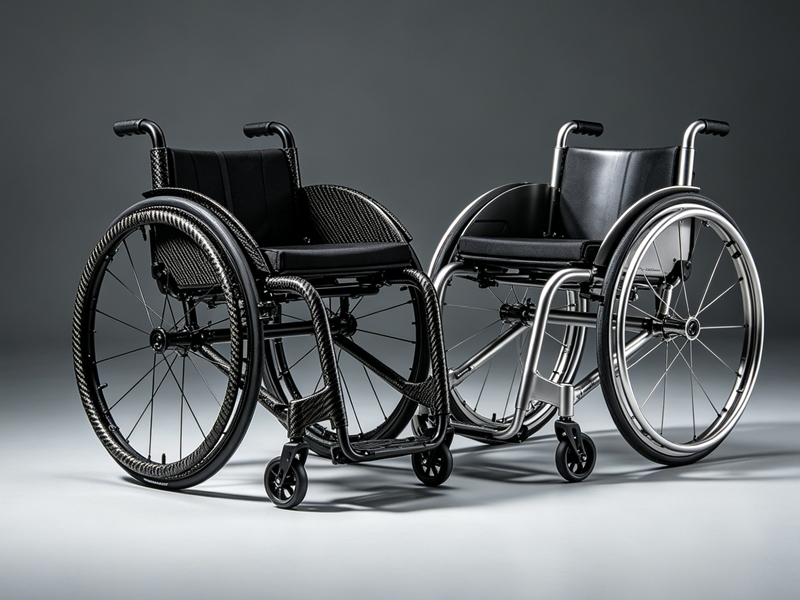
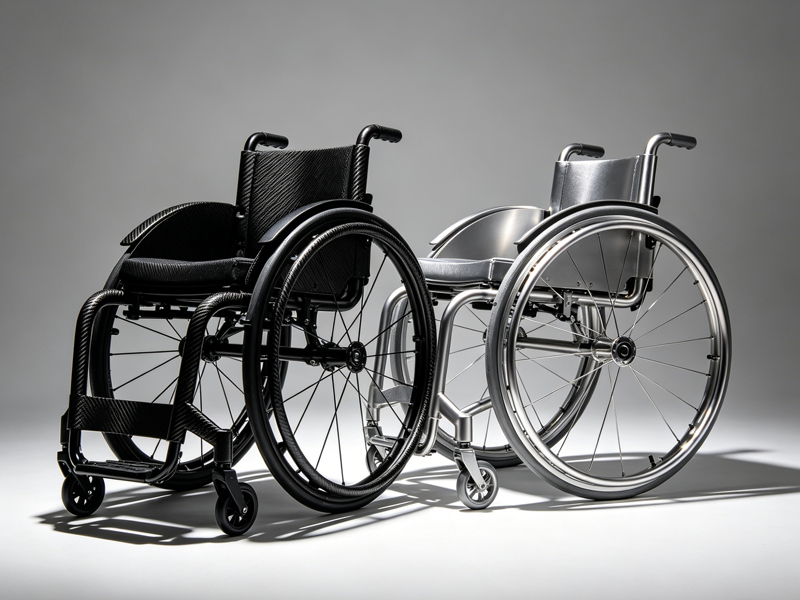
When selecting a lightweight electric wheelchair, the focus often starts with weight. The assumption is simple: the lighter the chair, the easier it is to handle, store, and travel with. While weight is certainly an important factor, it is far from the only one that affects independence, comfort, and long-term usability. Daily life with a wheelchair involves countless micro-decisions and physical demands: lifting into car trunks, navigating narrow hallways, boarding trains or planes, and managing fatigue from extended sitting. In these scenarios, frame material profoundly influences overall experience. Today, carbon fiber and aluminum alloy dominate the lightweight electric wheelchair market, offering unique advantages and trade-offs in weight, strength, ride comfort, durability, and cost. Understanding these differences is essential for making a decision that aligns with your lifestyle, travel habits, and physical capabilities.
Redefining Lightweight: Beyond Numbers on a Spec Sheet
The term “lightweight” is frequently advertised, but the figures presented by manufacturers can be misleading. Advertised weight often excludes batteries, accessories, or transport mechanisms, and it rarely conveys the real-world feel of lifting and maneuvering the chair. A truly lightweight wheelchair is not defined solely by kilograms. Its effectiveness is measured by usability, which depends on three critical criteria:
For example, a carbon fiber wheelchair weighing 12–18 kg with a removable 2–4 kg battery will feel substantially lighter during trunk transfers than a typical aluminum model weighing 20–30 kg with a slightly heavier removable battery. Over weeks and months of repeated lifting, the cumulative reduction in strain can make a meaningful difference for elderly users, caregivers, and anyone with limited upper body strength.
Reducing weight should never compromise frame strength. A wheelchair must support daily load reliably and withstand torsional stress from uneven surfaces, slopes, and quick directional changes. Carbon fiber offers a high strength-to-weight ratio due to its composite construction, allowing thinner but exceptionally strong frame sections. Aluminum, while denser, compensates through thicker tubing and reinforced weld joints. Both materials, when engineered properly, support typical weight capacities of 100–150 kg without structural compromise.
Frame stiffness plays a vital role beyond safety. A rigid frame improves tracking precision, energy transfer from motors, and control stability, especially when navigating urban obstacles or inclines. A chair with excessive flex can feel “sloppy,” with delayed steering response and reduced confidence, which directly impacts user safety and independence.
The value of a lightweight wheelchair is most evident in the friction points of daily life. Loading a chair into a car, maneuvering through train platforms, or storing it in a compact apartment are all routine activities that reveal subtle differences in frame material and design. Carbon fiber’s lower density and compact design often produce a narrower folded width and smoother fold mechanism. Aluminum, while still portable, may require more space and effort, which can affect users with limited strength or small vehicles and storage spaces.
Removable batteries further enhance travel flexibility. They allow compliance with airline security regulations, simplify charging logistics, and reduce the weight lifted during transport. Frequent travelers and daily commuters particularly benefit from these features, as even a small reduction in lifting weight (5–10 kg) can significantly reduce cumulative strain over time.
Lighter wheelchairs reduce energy demands on motors, translating to more efficient acceleration and slightly longer battery range, although battery capacity remains the dominant factor in overall range. Carbon fiber’s rigidity enhances motor torque transfer, offering more precise steering and acceleration responsiveness. Aluminum frames, while slightly heavier, provide dependable strength for urban and indoor environments, making them a practical option for users with less demanding travel needs.
Vibration absorption is another key differentiator. Carbon fiber naturally dampens micro-vibrations, improving comfort over long periods of daily use. Aluminum frames, in contrast, transmit more surface feedback, which may lead to lower back fatigue, joint strain, or discomfort during extended seating. When paired with advanced suspension systems, carbon fiber’s vibration-damping characteristics can further enhance ride quality, making it a superior option for users who spend many hours in their wheelchair each day.
Durability extends beyond initial strength. Aluminum frames, while robust, are susceptible to corrosion in humid or coastal environments and gradually accumulate metal fatigue, particularly at welded joints. Carbon fiber resists rust and offers high fatigue resistance under normal usage, although it can be vulnerable to cracking under severe localized impact. Repair accessibility is a practical consideration: aluminum repairs are widely available and often inexpensive, whereas carbon fiber repairs require specialized composite technicians and may involve longer downtime and higher costs.
Thermal performance also differs. Aluminum conducts heat and cold quickly, which can affect comfort during extreme weather conditions. Carbon fiber, with its lower thermal conductivity and higher stability, maintains a more consistent temperature, enhancing user comfort in diverse environments.
Upfront costs for carbon fiber wheelchairs are higher due to complex manufacturing processes such as layered composite molding and controlled curing. Aluminum models are more budget-friendly, using standardized extrusion and welding techniques. However, long-term ownership costs should consider not only purchase price but also maintenance, repair downtime, and potential resale value. Carbon fiber’s durability, corrosion resistance, and reduced user fatigue may justify higher initial investment, particularly for frequent travelers or users with limited strength. Aluminum remains an excellent choice for those prioritizing affordability and accessibility of repairs, especially in regions with limited composite repair infrastructure.
Frequent Travelers: Users who routinely load their wheelchair into cars, taxis, or airplanes benefit from the reduced lifting effort, compact folding, and removable batteries of carbon fiber designs. Over months of travel, a 5–8 kg weight difference significantly reduces shoulder fatigue, making solo travel easier and safer.
Limited Strength Users: Elderly individuals or those with reduced upper body strength may find carbon fiber models more manageable for daily lifting and adjustment. Even modest reductions in frame weight translate into meaningful long-term comfort and preserved mobility independence.
Outdoor and Mixed-Terrain Users: Aluminum frames are reliable on sidewalks, ramps, and uneven terrain but require periodic maintenance to prevent corrosion, particularly in humid or coastal regions. Carbon fiber maintains structural stability and resists environmental damage, making it ideal for those navigating challenging or variable outdoor conditions.
Budget-Conscious Buyers: Aluminum alloy offers strong value, combining reasonable weight reduction with widely accessible maintenance. For primarily indoor or short-distance urban use, aluminum provides practical durability without significant compromise in performance, making it a cost-effective choice.
There is no universally “best” material for lightweight electric wheelchairs. The ideal choice depends on your physical capabilities, daily sitting time, travel frequency, and long-term mobility goals. Carbon fiber provides exceptional portability, superior vibration absorption, and corrosion resistance, making it ideal for frequent travelers or users seeking reduced lifting effort. Aluminum alloy offers reliable durability, accessible maintenance, and cost efficiency, making it a practical solution for budget-conscious users or those with moderate travel requirements. Understanding how each material performs in real-world scenarios ensures you select a wheelchair that genuinely enhances independence, comfort, and quality of life.
Q1: What defines a lightweight electric wheelchair beyond just frame weight?
A: True lightweight usability is a balance of low frame weight, foldability, structural strength, and a well-distributed center of gravity. These factors ensure ease of lifting, maneuverability, and safety in everyday use.
Q2: Which material provides better ride comfort over long periods?
A: Carbon fiber excels in vibration damping, reducing micro-vibrations transmitted to the seat. This translates to lower fatigue and increased comfort for users who spend several hours daily in the wheelchair.
Q3: How do long-term maintenance and repair considerations differ between carbon fiber and aluminum?
A: Aluminum is easier to repair with widely available parts and services but can develop corrosion and metal fatigue over time. Carbon fiber resists corrosion and fatigue but requires specialized repair services if damaged, resulting in higher repair costs and potential downtime.