Our Location
Free Trade Tower, Xiyong street.
Chongqing, China

Free Trade Tower, Xiyong street.
Chongqing, China

Mobility is a fundamental aspect of independence, and electric wheelchairs have become an essential tool for millions worldwide. In recent years, titanium alloy electric wheelchairs have gained increasing attention due to their remarkable combination of strength, lightness, and durability. Unlike traditional aluminum or steel frames, titanium alloy offers a unique set of benefits that can significantly enhance the daily life of users. Understanding the advantages of these wheelchairs can help potential buyers make informed decisions while also highlighting why this innovation is becoming a standard in premium mobility devices.
One of the most compelling advantages of titanium alloy is its unparalleled strength-to-weight ratio. Titanium alloys are known for being as strong as steel but significantly lighter. This means that a wheelchair constructed from titanium can withstand daily stresses and impacts without bending, warping, or losing structural integrity over time. For users, this translates into long-term reliability and safety. Unlike aluminum wheelchairs, which can deform under heavy loads or rough terrain, titanium alloys retain their shape, ensuring stability and balance even after prolonged use.
Moreover, titanium is highly resistant to corrosion. While aluminum may oxidize over time and steel can rust when exposed to moisture, titanium alloy maintains its integrity even in humid or salty environments. This is particularly important for users who live in coastal regions or need a wheelchair for outdoor activities. The combination of durability and resistance to environmental factors means a titanium alloy wheelchair can last for decades with minimal maintenance, making it a valuable long-term investment.
Weight is a critical factor when it comes to electric wheelchairs. Heavier models can be more difficult to transport, require more energy to maneuver, and may even reduce battery life due to the additional load. Titanium alloy, being lighter than steel and comparable to or lighter than aluminum, significantly reduces the overall weight of the wheelchair.
A lighter frame allows for smoother acceleration, easier turning, and less strain on the motor, which not only improves the efficiency of the wheelchair but also extends the battery life. Users who need to travel longer distances or climb ramps will notice a tangible difference in ease of operation. The reduced weight also makes the wheelchair easier to lift into vehicles or navigate through tight spaces, providing a level of convenience that is particularly valuable for active users or caregivers assisting with transport.
While strength and lightness are important, comfort is equally critical for electric wheelchair users, who often spend several hours each day in their mobility device. Titanium alloy wheelchairs are often designed with ergonomic considerations in mind, allowing for optimized seating positions, better weight distribution, and enhanced shock absorption.
The flexibility of titanium alloys allows manufacturers to design frames that offer a slight natural give, absorbing minor vibrations and bumps from uneven surfaces. This contributes to a smoother ride, reducing the physical strain on the user’s back and joints. Furthermore, titanium’s non-magnetic properties make it compatible with advanced electronic components, meaning these wheelchairs can be equipped with smart sensors, customizable controls, and other modern features without interference.
Titanium alloys also offer a visually appealing, modern look. The natural metallic sheen of titanium can be left exposed for a minimalist, high-tech aesthetic, or it can be anodized to create a variety of colors without compromising strength. For users who value style and individuality, this provides a level of customization rarely seen in traditional wheelchair materials.
Manufacturers can also leverage the malleability of titanium alloys to create bespoke designs tailored to specific user needs. This may include adjustable frames, foldable structures for travel, or modular components for different terrains. Such adaptability ensures that users receive a wheelchair that not only meets their functional needs but also aligns with personal preferences and lifestyle.
Although titanium alloy electric wheelchairs often have a higher upfront cost compared to aluminum or steel models, their long-term benefits make them a cost-effective option. The reduced need for repairs, exceptional durability, and lower maintenance requirements mean that users are likely to spend less over the lifespan of the wheelchair.
Durable titanium frames are less prone to damage from daily use, reducing the frequency of replacement parts and professional maintenance. Additionally, the lightweight nature of the chair can reduce strain on the electric motor, indirectly prolonging the life of expensive electronic components. Over time, these factors contribute to a total cost of ownership that can rival, or even surpass, less expensive models in terms of value.
Safety is paramount for wheelchair users, and titanium alloy frames provide a solid foundation for superior performance. The rigidity of the material ensures consistent handling and stability during turns, slopes, or uneven terrain. Many titanium alloy wheelchairs are designed with advanced suspension systems that work synergistically with the frame to enhance stability and reduce the risk of tipping.
The material’s ability to withstand significant impact also provides peace of mind. Users navigating crowded urban environments, rough outdoor paths, or sudden obstacles benefit from the additional protection titanium alloys offer compared to lighter, less durable materials.
An often-overlooked advantage of titanium alloy wheelchairs is their environmental sustainability. Titanium is abundant, recyclable, and requires fewer chemical treatments compared to other metals. Wheelchair users and manufacturers can contribute to reducing environmental impact by choosing materials that are not only long-lasting but also recyclable at the end of their life cycle.
From a health perspective, titanium is hypoallergenic. Users with sensitivities or metal allergies are less likely to experience skin irritation, which can be an issue with some aluminum or steel wheelchairs. This combination of environmental consciousness and user health benefits adds an extra layer of value to titanium alloy mobility devices.
Across the globe, users have reported significant improvements in mobility, comfort, and convenience when switching to titanium alloy electric wheelchairs. For individuals with active lifestyles, the combination of lightweight portability, robust durability, and smooth operation allows for more independence and participation in daily activities.
In urban settings, users benefit from the chair’s maneuverability and compact design, allowing easier navigation through crowded streets, public transportation, and narrow doorways. Outdoor enthusiasts also appreciate titanium’s resilience against rough terrain, including gravel paths, trails, and uneven pavements. These experiences highlight how material choice directly impacts both physical and psychological well-being, fostering confidence and autonomy.
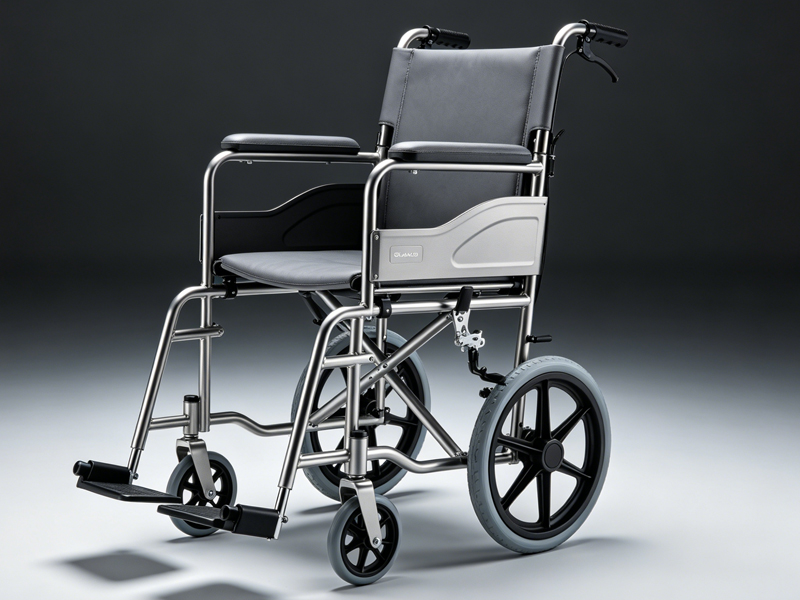
The properties of titanium alloy make it compatible with cutting-edge technologies in modern electric wheelchairs. Advanced features such as smart sensors, automated braking, and adjustable seat functions can be integrated more effectively due to titanium’s stability and non-magnetic characteristics.
Additionally, the strength of titanium allows designers to experiment with modular components that can be replaced or upgraded, rather than requiring the entire wheelchair to be replaced. This modularity supports a more sustainable approach while also catering to users who want to personalize their device over time.
Titanium alloy electric wheelchairs represent a significant advancement in mobility technology, offering a combination of durability, lightweight design, comfort, and aesthetic appeal that is unmatched by traditional materials. For users seeking long-term reliability, reduced maintenance, and enhanced performance, these wheelchairs provide tangible benefits that improve daily life in both urban and outdoor settings.
By integrating titanium alloys with modern engineering and ergonomic design, manufacturers have created mobility solutions that not only meet practical needs but also promote independence, confidence, and quality of life. As more users discover these advantages, titanium alloy electric wheelchairs are likely to become the preferred choice for premium, durable, and technologically advanced mobility devices worldwide.
1. Why choose a titanium alloy wheelchair over aluminum or steel models?
Titanium alloys offer superior strength, corrosion resistance, and lightweight design, making them more durable and easier to maneuver compared to aluminum or steel models. The material also supports ergonomic and modular designs, enhancing comfort and adaptability.
2. Are titanium alloy wheelchairs suitable for outdoor use?
Yes, titanium alloy wheelchairs excel in outdoor conditions due to their strength, resistance to corrosion, and ability to absorb shocks from uneven terrain. They maintain stability and performance across various environments.
3. Is the higher upfront cost of titanium alloy wheelchairs justified?
Absolutely. While initial costs are higher, the long-term benefits—including durability, reduced maintenance, improved battery efficiency, and extended lifespan—make titanium alloy wheelchairs a cost-effective investment over time.