Our Location
Free Trade Tower, Xiyong street.
Chongqing, China

Free Trade Tower, Xiyong street.
Chongqing, China
For many people, a day at the beach means freedom, relaxation, and connection with nature. The sound of waves, warm sunshine, and endless coastal views create experiences that everyone should be able to enjoy. Yet for wheelchair users, beaches often present one major obstacle: sand.
Traditional wheelchairs are designed for smooth indoor floors, paved sidewalks, and hard surfaces. Once they reach soft sand, mobility becomes difficult or nearly impossible. Wheels sink, movement requires significant effort, and many users must rely heavily on caregivers just to travel a short distance.
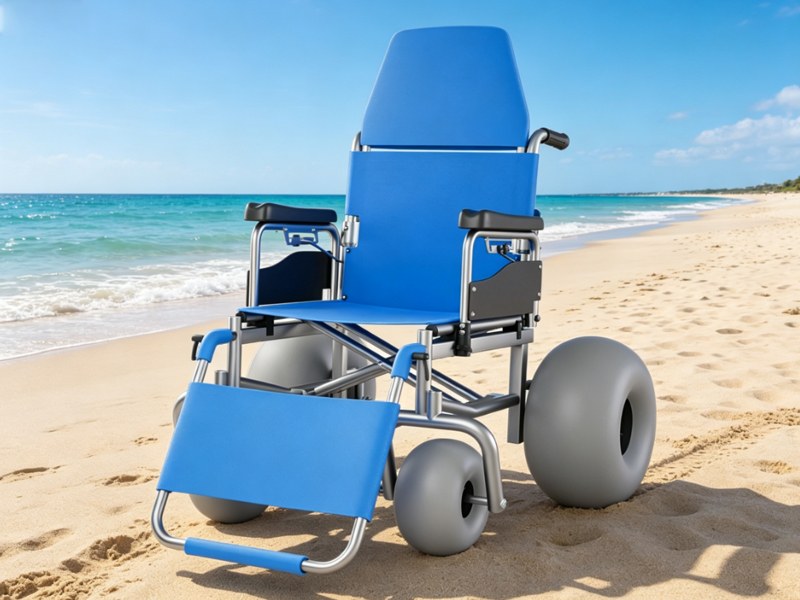
This challenge has led to the growing popularity of beach wheelchairs—specialized mobility devices engineered specifically for sandy environments. Unlike standard wheelchairs, beach wheelchairs feature oversized flotation wheels, corrosion-resistant frames, and designs that allow users to travel comfortably across beaches, waterfronts, and other uneven outdoor terrain.
Among the many options available today, two models stand out for their durability, practicality, and heavy-duty construction: the YSB01 Beach Wheelchair and the YSB02 Beach Wheelchair. Both are designed to improve accessibility in coastal environments while offering reliability for personal users, resorts, municipalities, rehabilitation centers, and public beaches.
Understanding the value of a beach wheelchair begins with recognizing the limitations of conventional wheelchairs.
Traditional wheelchair wheels have relatively narrow contact surfaces. On hard ground, this design works efficiently because weight is distributed over stable surfaces. Sand behaves differently. It shifts under pressure, causing narrow wheels to sink and become difficult to push.
Even power wheelchairs face challenges on beaches. Sand can interfere with motors, increase battery consumption, and create maintenance issues over time. Saltwater environments further accelerate corrosion and wear.
As a result, many wheelchair users face frustrating limitations when visiting beaches:
Heavy-duty beach wheelchairs address these challenges through specialized engineering rather than simply modifying conventional wheelchair designs.
A true beach wheelchair is designed from the ground up for outdoor terrain.
The most recognizable feature is the use of large balloon-style wheels. These wheels create a wider contact area with the sand, distributing weight more evenly and preventing sinking. Instead of cutting into soft surfaces, the wheels float across them.
Another important element is frame construction. Beaches expose equipment to moisture, salt, sunlight, and temperature fluctuations. Heavy-duty beach wheelchairs therefore require durable materials capable of resisting corrosion while maintaining structural strength.
Comfort also becomes increasingly important during outdoor use. Beach visits often involve longer periods of sitting compared to quick indoor trips. Ergonomic seating systems, supportive backrests, and stable positioning help users remain comfortable throughout the day.
For organizations such as hotels, beach parks, and public accessibility programs, durability is especially critical. Equipment may be used by numerous individuals throughout a season, making reliability a key purchasing factor.
These considerations explain why dedicated beach wheelchairs continue to gain popularity across tourism, healthcare, and accessibility sectors worldwide.
The YSB01 Beach Wheelchair is designed to provide dependable mobility in sandy environments while maintaining a user-friendly design suitable for both personal and institutional use.
One of its most notable characteristics is its emphasis on stability. Navigating soft sand requires more than simply larger wheels. The entire wheelchair must maintain balance while moving across uneven surfaces. The YSB01 achieves this through a thoughtfully engineered frame and flotation wheel system that work together to improve maneuverability.
The large low-pressure wheels significantly reduce rolling resistance compared with traditional wheelchair tires. Users and caregivers can move across sandy beaches with less effort, making longer outings more enjoyable and practical.
The seating system is designed to support comfort during extended use. Whether users are relaxing by the shoreline, participating in family activities, or exploring waterfront areas, the wheelchair offers a stable and supportive riding experience.
Durability is another key advantage. Coastal environments can be demanding on mobility equipment. Exposure to salt air, moisture, and sunlight requires materials capable of maintaining performance over time. The YSB01 is built to withstand these conditions, making it suitable for frequent outdoor use.
For public beaches and accessibility programs, the YSB01 represents a practical solution that balances functionality, reliability, and ease of operation.
Ideal applications include:
The design philosophy behind the YSB01 focuses on enabling users to enjoy outdoor experiences with greater independence while minimizing the physical demands placed on caregivers.
While the YSB01 emphasizes versatility and dependable everyday performance, the YSB02 Beach Wheelchair takes heavy-duty outdoor mobility a step further.
Designed for users and organizations seeking robust performance in demanding conditions, the YSB02 combines strength, comfort, and accessibility into a highly capable beach mobility solution.
One of the defining characteristics of the YSB02 is its reinforced construction. Heavy-duty users and high-traffic public environments require equipment capable of handling increased demands without compromising safety or comfort.
The flotation wheel system enables smooth movement across sand while maintaining excellent stability. Whether navigating dry beach sand, coastal pathways, or uneven outdoor surfaces, the wheelchair remains predictable and secure.
Comfort is also a major consideration. Outdoor excursions often involve extended periods of sitting, making ergonomic support essential. The YSB02 is designed to provide a comfortable seating experience that encourages longer participation in recreational activities.
Municipalities and tourism operators increasingly recognize the importance of accessibility as a core component of visitor experience. The YSB02 aligns with these goals by providing a durable mobility solution suitable for shared public use.
Its heavy-duty design makes it particularly valuable for:
The combination of durability and user comfort allows organizations to invest confidently in long-term accessibility infrastructure.
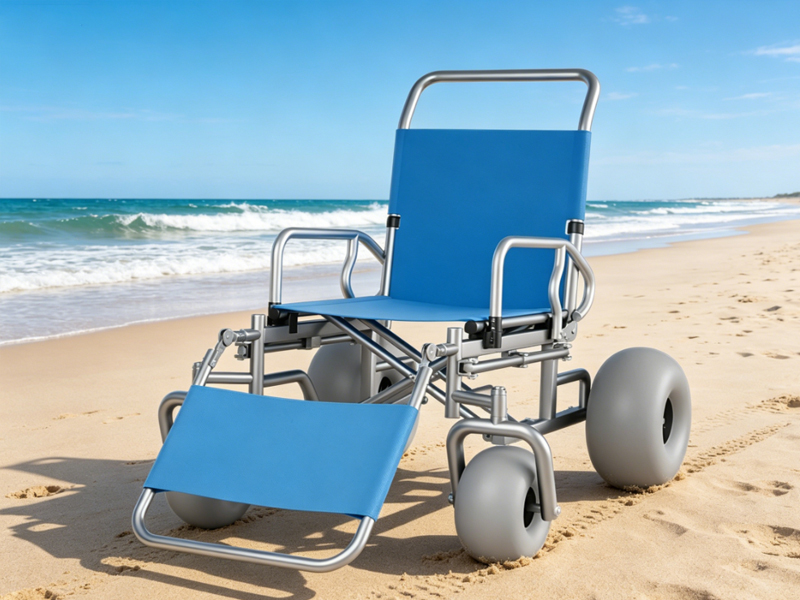
Choosing between the YSB01 and YSB02 depends largely on intended usage, user requirements, and operational environment.
The YSB01 is an excellent choice for users seeking a reliable beach wheelchair that delivers dependable performance across a variety of coastal settings. It offers strong maneuverability, comfort, and ease of use, making it suitable for both personal ownership and community accessibility programs.
The YSB02, meanwhile, is particularly attractive for organizations and users who prioritize maximum durability and enhanced heavy-duty performance. Its reinforced construction and robust design make it ideal for demanding environments where equipment may experience frequent use.
Rather than viewing the two models as competitors, it is more accurate to see them as complementary solutions serving different accessibility needs.
For many organizations, offering both options can create a more inclusive experience by accommodating a broader range of users.
Accessibility is no longer viewed as a niche concern. Around the world, governments, tourism boards, and private businesses increasingly recognize that inclusive design benefits everyone.
Accessible beaches represent a powerful example of this shift.
When beaches become accessible, families can enjoy activities together without separation. Individuals with mobility challenges gain opportunities for recreation, exercise, and social participation. Communities become more welcoming and inclusive.
The economic benefits are equally significant.
According to global tourism trends, travelers with disabilities represent a substantial market segment. Destinations that prioritize accessibility often attract more visitors and encourage longer stays. Hotels, resorts, and municipalities that invest in inclusive infrastructure can strengthen their reputation while expanding their customer base.
Beach wheelchairs play a central role in this transformation because they provide a practical and immediate solution to one of the most common accessibility barriers.
Before selecting any beach wheelchair, buyers should carefully evaluate several important factors.
Terrain Performance
Not all beach environments are identical. Some feature soft dry sand, while others include compact wet sand, boardwalk transitions, or mixed terrain. A wheelchair should be capable of handling these varying conditions effectively.
Durability
Outdoor environments expose equipment to sunlight, moisture, and salt. Corrosion resistance and structural strength are essential for long-term reliability.
User Comfort
A wheelchair that performs well mechanically but lacks comfort may limit the user’s enjoyment. Supportive seating and ergonomic design are important considerations.
Ease of Operation
Both users and caregivers benefit from intuitive controls and straightforward maneuverability.
Maintenance Requirements
Equipment intended for beach use should be easy to clean and maintain after exposure to sand and saltwater.
Intended Usage
Personal users may prioritize portability and convenience, while organizations may focus on durability and lifecycle costs.
Both the YSB01 and YSB02 address these critical factors, making them practical choices for a wide range of applications.
Mobility is about more than transportation. It is closely connected to independence, social engagement, and emotional well-being.
When individuals can access beaches and outdoor environments without unnecessary barriers, the benefits extend far beyond physical movement.
Users often report increased confidence, greater participation in family activities, and stronger feelings of inclusion. Being able to move closer to the water, enjoy scenic views, or join recreational events contributes meaningfully to overall quality of life.
Families benefit as well. Instead of focusing on logistical challenges, they can spend more time enjoying shared experiences together.
These outcomes highlight why beach accessibility should be viewed as an investment in community participation rather than merely an equipment purchase.
Organizations responsible for public access face unique challenges when selecting mobility equipment.
They need products that can withstand frequent use, accommodate diverse users, and deliver consistent performance over time. Cost-effectiveness must be balanced with reliability and user satisfaction.
The YSB01 and YSB02 beach wheelchairs meet these requirements through their combination of durability, comfort, and practical design.
Their specialized flotation wheels help users navigate sandy environments more effectively, while their robust construction supports long-term use in demanding coastal conditions.
For resorts, municipalities, healthcare facilities, and tourism operators, these wheelchairs represent valuable tools for expanding accessibility and enhancing visitor experiences.
As accessibility expectations continue to rise globally, investing in dependable beach mobility solutions becomes increasingly important.
A beach should be a place where everyone can relax, explore, and connect with nature. Unfortunately, soft sand often creates barriers that prevent wheelchair users from fully enjoying these experiences.
Heavy-duty beach wheelchairs provide a practical answer to this challenge by combining specialized flotation wheels, durable construction, and user-focused design.
Both the YSB01 Beach Wheelchair and the YSB02 Beach Wheelchair demonstrate how thoughtful engineering can transform accessibility in coastal environments. Whether used by individuals seeking greater independence or organizations committed to inclusive recreation, these models offer dependable solutions that help make beaches more accessible for all.
As communities around the world continue to prioritize inclusion, investing in quality beach wheelchairs is more than a mobility decision—it is a commitment to equal access, shared experiences, and a better outdoor future for everyone.
1. What is the main advantage of a beach wheelchair compared to a standard wheelchair?
Beach wheelchairs use oversized flotation wheels that distribute weight more evenly across soft sand. This prevents sinking and allows smoother movement in beach environments where traditional wheelchairs typically struggle.
2. Who can benefit from the YSB01 and YSB02 beach wheelchairs?
These wheelchairs are suitable for individuals with mobility challenges, rehabilitation centers, public beaches, resorts, hotels, municipalities, tourism operators, and organizations focused on accessibility and inclusive recreation.
3. Which model should I choose: YSB01 or YSB02?
The YSB01 is ideal for versatile everyday beach accessibility and general recreational use, while the YSB02 is better suited for heavy-duty applications, higher usage frequencies, and environments that require enhanced durability and long-term performance.