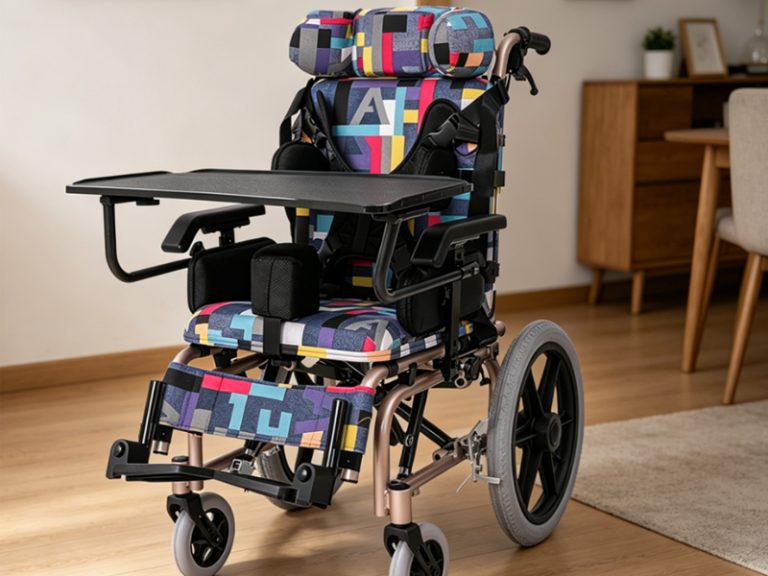
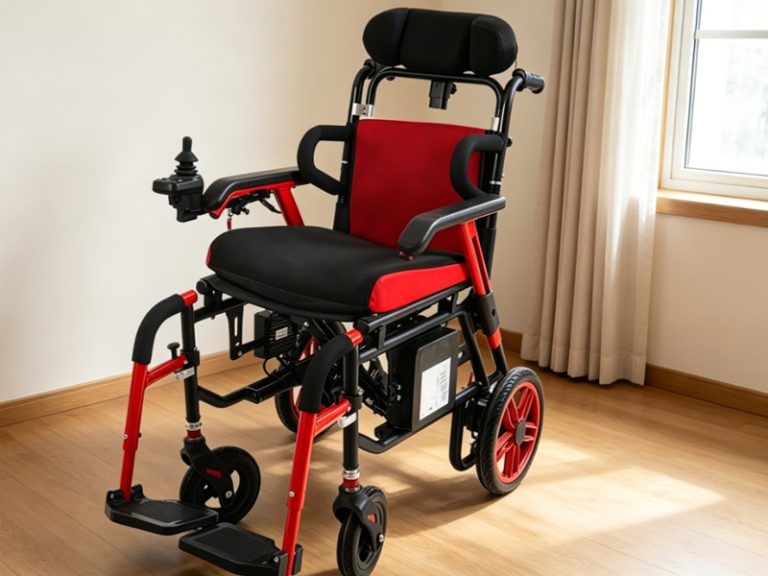
Our Location
Free Trade Tower, Xiyong street.
Chongqing, China

Free Trade Tower, Xiyong street.
Chongqing, China
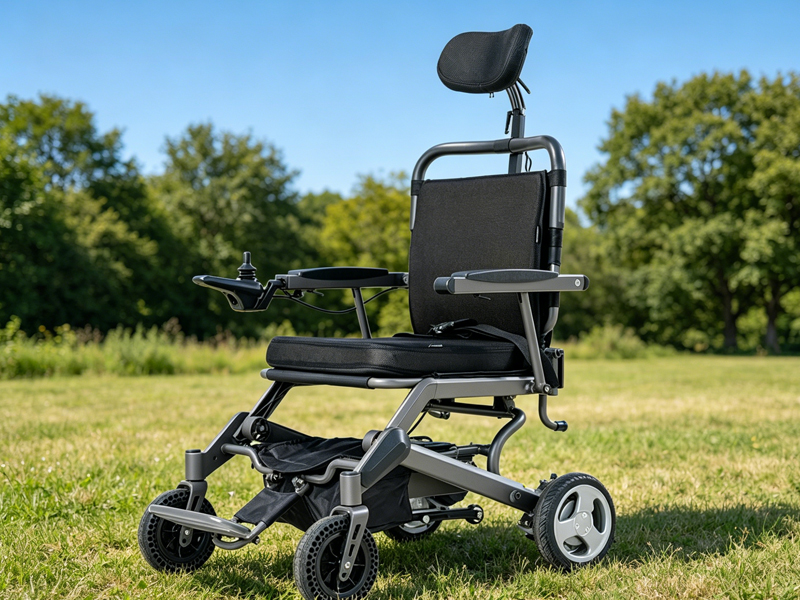
A wheelchair is far more than a mobility device. For millions of people around the world, it represents independence, freedom, confidence, and quality of life. Whether the wheelchair is needed temporarily after an injury or used daily for years, one factor should always take priority over aesthetics, brand reputation, or even price: safety.
Unfortunately, many buyers focus primarily on comfort, portability, or cost while overlooking critical safety features. The result can be instability, falls, pressure injuries, posture problems, transportation accidents, or long-term physical complications. According to healthcare professionals and rehabilitation specialists, selecting an inappropriate wheelchair can significantly affect a user’s health, mobility, and overall well-being.
The safest wheelchair is not necessarily the most expensive model on the market. Instead, it is the one that properly matches the user’s physical condition, environment, lifestyle, and long-term needs. A wheelchair that works perfectly for one person may present serious risks for another.
This comprehensive guide explains how to evaluate wheelchair safety from every angle, helping individuals, caregivers, healthcare providers, and family members make informed decisions that prioritize protection without sacrificing comfort and independence.
When people think about wheelchair safety, they often imagine preventing the chair from tipping over. While stability is certainly important, true wheelchair safety involves much more.
A safe wheelchair should provide:
Safety is therefore a combination of engineering, ergonomics, fit, and user behavior.
Just as wearing the wrong size shoes can lead to discomfort and injury, using the wrong wheelchair can gradually cause physical strain, reduced mobility, and increased accident risks.
One of the most common mistakes buyers make is selecting a wheelchair based on features before assessing the user’s actual needs.
Before comparing models, consider the following questions:
How much upper body strength does the user have?
Can they self-propel or will they rely on a caregiver?
Will the chair be used indoors, outdoors, or both?
How many hours per day will it be used?
Does the user have balance issues?
Are there existing spinal, hip, or posture concerns?
What is the user’s weight and body dimensions?
Will the chair need to be transported frequently?
Answers to these questions create the foundation for selecting the safest option.
A lightweight travel wheelchair may seem attractive because of its portability, but it may lack the stability and support required for full-time use. Conversely, a heavy-duty wheelchair designed for complex needs may be unnecessarily large and difficult to maneuver for an active user.
Safety begins with matching the wheelchair to the individual.
Different wheelchair categories are designed for different purposes, and each carries unique safety advantages and limitations.
Manual Wheelchairs
Manual wheelchairs remain one of the most popular options worldwide. They are powered by the user or a caregiver.
Safety advantages include:
Potential concerns include:
For users with sufficient upper body function, a properly fitted manual wheelchair can provide excellent safety and independence.
Transport Wheelchairs
Transport wheelchairs are designed primarily for caregiver-assisted mobility.
They are typically lighter and more compact than standard manual wheelchairs.
However, safety considerations include:
These chairs work best for short trips, medical appointments, airports, and temporary mobility assistance.
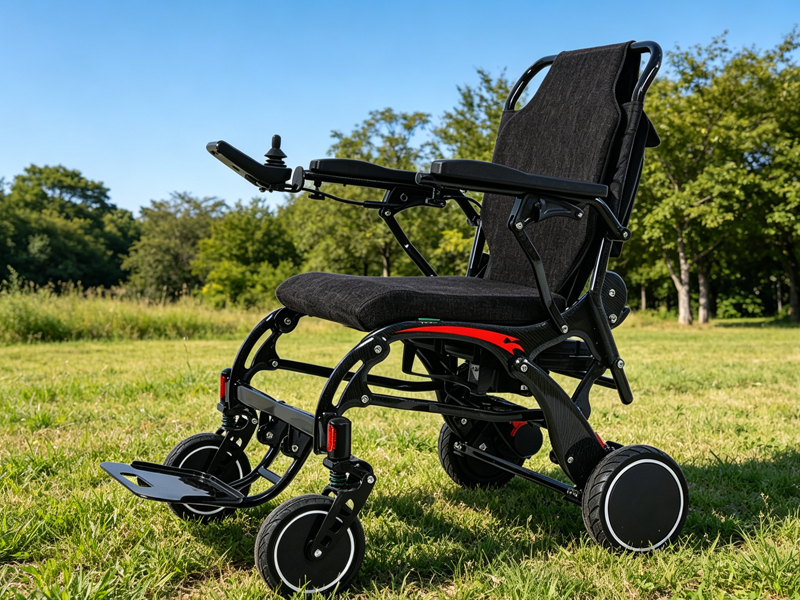
Power Wheelchairs
Power wheelchairs are ideal for users with limited strength or endurance.
Safety benefits often include:
However, power wheelchairs also require:
Choosing a model with anti-tip technology and programmable speed controls significantly improves safety.
Stability is one of the most important factors affecting wheelchair safety.
Wheelchair tipping accidents can occur when:
Several design features influence stability.
Wheelbase Length
A longer wheelbase generally provides better stability but may reduce maneuverability in tight spaces.
Center of Gravity
The wheelchair’s center of gravity determines how easily it can tip.
Sports wheelchairs often prioritize agility, while everyday wheelchairs prioritize stability.
Anti-Tip Devices
Anti-tip bars are small wheels located behind the chair that prevent backward tipping.
These simple components can dramatically reduce fall risks, especially for new users and individuals with balance challenges.
Wheel Positioning
Rear wheel placement affects both propulsion efficiency and stability.
A professional wheelchair assessment can help determine the safest wheel positioning based on the user’s strength and movement patterns.
Many people underestimate the role sizing plays in wheelchair safety.
An improperly fitted wheelchair can cause:
Key measurements include seat width, seat depth, seat height, backrest height, and armrest positioning.
A chair that is too wide may encourage slouching and increase the risk of skin breakdown.
A chair that is too narrow can create pressure points and restrict movement.
Proper fit improves both comfort and safety over the long term.
For individuals who spend extended periods sitting, pressure injuries represent one of the most serious wheelchair-related health risks.
Pressure ulcers can develop when constant pressure reduces blood flow to the skin and underlying tissues.
The safest wheelchair should support effective pressure management through:
Memory foam cushions offer comfort, while air-cell cushions often provide superior pressure distribution for high-risk users.
Healthcare professionals frequently recommend pressure-relieving cushions as an essential safety investment rather than an optional accessory.
Ignoring seating support can lead to costly medical complications and prolonged recovery periods.
A wheelchair’s brakes serve as a primary safety mechanism.
Unfortunately, users often overlook brake performance until a problem occurs.
Effective brakes should:
Before purchasing a wheelchair, test the brakes multiple times.
Check whether the user can comfortably reach and operate them.
For power wheelchairs, evaluate the electronic braking system and emergency stop functions.
Regular maintenance is equally important. Even the best wheelchair becomes unsafe if brake components wear out or become misaligned.
Seat belts in wheelchairs are sometimes misunderstood.
Their purpose is not merely restraint but positioning and safety.
For users with limited trunk control, a properly fitted positioning belt can:
Additional positioning supports may include:
The choice depends on individual medical and mobility needs.
Proper professional assessment is essential because incorrectly used positioning devices can create discomfort or additional risks.
A wheelchair that performs well indoors may not be the safest choice outdoors.
Indoor environments typically feature:
Outdoor environments often include:
For outdoor use, look for:
Users who frequently transition between environments should prioritize versatile models that maintain stability across different surfaces.
Every wheelchair has a specified weight limit.
Exceeding that limit can compromise:
Safety experts recommend selecting a wheelchair with an appropriate safety margin rather than choosing a model operating at its maximum capacity.
Heavy-duty wheelchairs often feature reinforced frames and wider seating dimensions, providing greater durability and long-term reliability.
Never assume all wheelchairs are built to the same standards.
Manufacturing quality plays a significant role in user safety.
Wheelchair safety extends beyond daily use.
Transportation presents its own set of challenges.
Users who travel by vehicle should verify whether the wheelchair complies with transportation safety standards.
Key considerations include:
A wheelchair that feels stable during normal use may not provide adequate protection during vehicle transportation.
For individuals who frequently travel, transportation safety should be a priority during the selection process.
Power wheelchairs introduce additional safety factors related to electrical systems.
When evaluating battery-powered models, examine:
Users should follow charging guidelines carefully and avoid unauthorized battery replacements.
Reliable battery performance contributes not only to convenience but also to user safety, particularly during long-distance travel or outdoor use.
Even the safest wheelchair can become dangerous if neglected.
Routine inspections should include:
Many accidents occur not because the original wheelchair design was unsafe but because maintenance issues were ignored.
Creating a monthly inspection checklist can significantly reduce preventable problems.
Users and caregivers should also schedule professional servicing according to manufacturer recommendations.
While regulations vary by country, reputable wheelchair manufacturers typically comply with recognized testing standards.
When researching products, look for evidence of:
Reliable manufacturers are transparent about testing procedures and performance data.
Certification alone does not guarantee safety, but it provides valuable assurance that the wheelchair has undergone objective evaluation.
Many wheelchair-related injuries stem from avoidable purchasing errors.
Common examples include:
Purchasing solely based on price.
Choosing a chair without professional assessment.
Ignoring future mobility needs.
Selecting the wrong seat size.
Overlooking pressure management.
Neglecting maintenance requirements.
Using worn-out cushions or tires.
Failing to receive proper user training.
Avoiding these mistakes significantly increases the likelihood of selecting a safe and effective wheelchair.
Before making a final decision, ask yourself:
✓ Is the wheelchair properly sized?
✓ Does it provide adequate stability?
✓ Are anti-tip features available?
✓ Can the user operate it safely?
✓ Is pressure management addressed?
✓ Are brakes reliable and accessible?
✓ Does it match the user’s environment?
✓ Is transportation safety considered?
✓ Is maintenance manageable?
✓ Will it remain suitable in the future?
If the answer to any of these questions is uncertain, further evaluation may be necessary before purchase.
Choosing the safest wheelchair is not about finding a single universally superior model. Safety depends on how well the wheelchair matches the user’s body, lifestyle, environment, and long-term mobility goals.
The ideal wheelchair combines stability, proper fit, pressure protection, dependable braking, structural durability, and practical usability. While modern designs offer impressive innovations, the safest choice is always the one that meets individual needs while minimizing physical risks.
Investing time in assessment, testing, and professional guidance can prevent accidents, reduce health complications, and improve daily independence. Whether selecting a manual wheelchair, transport chair, or advanced power wheelchair, safety should remain the foundation of every purchasing decision.
A well-chosen wheelchair does more than move a person from one place to another—it supports confidence, dignity, freedom, and long-term well-being.
1. What is the most important safety feature in a wheelchair?
The most important safety feature is overall stability. Stability affects tipping resistance, user confidence, transfer safety, and performance on different surfaces. Features such as anti-tip devices, proper wheel positioning, and a well-balanced center of gravity contribute significantly to wheelchair safety.
2. How often should a wheelchair be inspected for safety?
Basic safety checks should be performed monthly, while heavily used wheelchairs may require weekly inspections. Users should regularly examine brakes, tires, wheels, cushions, batteries, and frame components. Professional maintenance should follow the manufacturer’s recommended schedule.
3. Are power wheelchairs safer than manual wheelchairs?
Not necessarily. Power wheelchairs often include advanced safety technologies such as electronic braking and stability systems, but they also introduce battery, electrical, and operational considerations. The safest wheelchair is the one that best matches the user’s physical abilities, environment, and daily mobility requirements.