Our Location
Free Trade Tower, Xiyong street.
Chongqing, China

Free Trade Tower, Xiyong street.
Chongqing, China
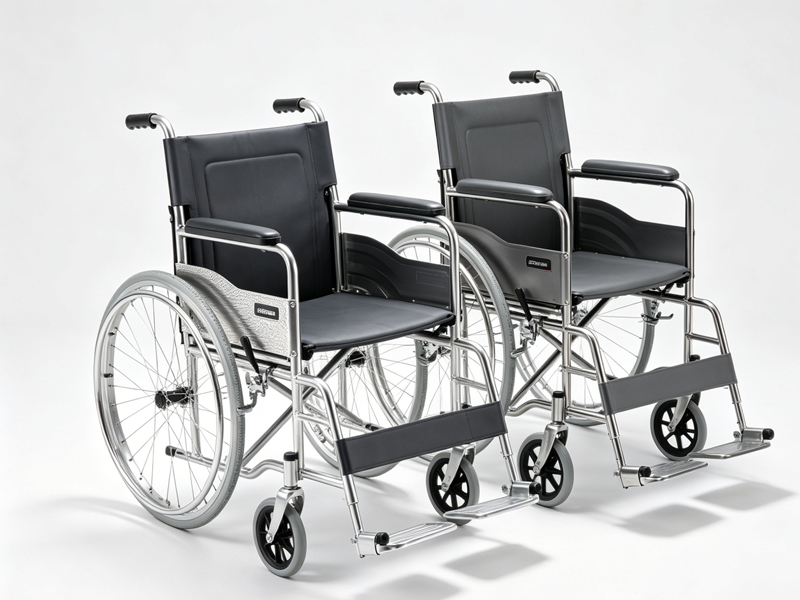
Choosing a wheelchair is one of the most important decisions for users, caregivers, rehabilitation centers, and healthcare providers. While factors such as seat width, mobility requirements, and customization options are essential, the material used in the wheelchair frame often has the greatest impact on daily performance.
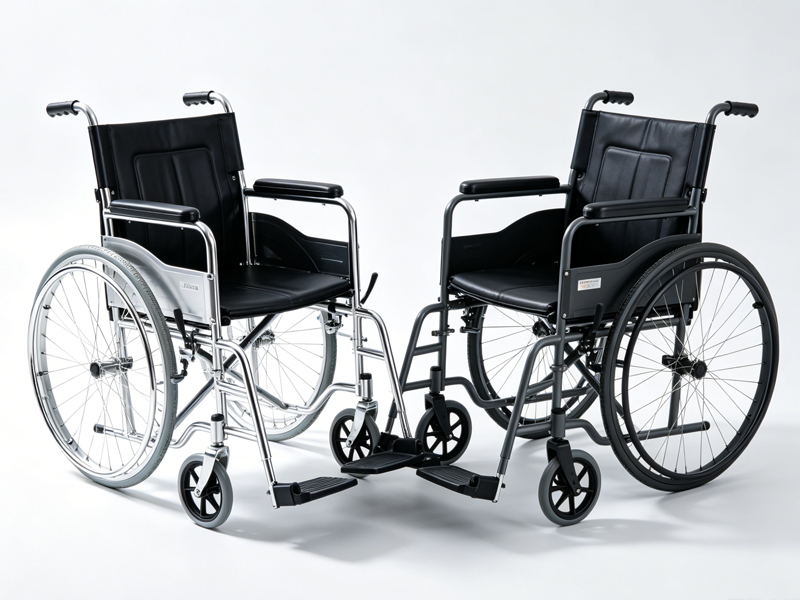
Among all wheelchair frame materials available today, aluminum alloy and steel remain the two most widely used options. Both have earned strong reputations in the mobility industry, yet they serve different user needs and usage environments. Some users prioritize lightweight mobility and easier transportation, while others value durability, stability, and affordability.
The question is simple: Which wheelchair material is better?
The answer is more complex than many buyers expect. Aluminum alloy wheelchairs and steel wheelchairs each offer unique advantages, disadvantages, and long-term ownership considerations. Understanding these differences can help users make an informed purchasing decision that aligns with their lifestyle, physical condition, and budget.
The frame is the structural foundation of any wheelchair. It supports the user’s weight, absorbs daily impacts, determines overall durability, and significantly influences maneuverability.
Steel was the dominant wheelchair material for decades because of its exceptional strength and relatively low manufacturing cost. Many hospitals, nursing homes, and medical institutions still rely heavily on steel wheelchairs due to their robustness and cost-effectiveness.
Aluminum alloy emerged as a popular alternative when manufacturers sought to create lighter mobility devices without sacrificing structural integrity. Advances in metal engineering have allowed aluminum alloys to achieve impressive strength-to-weight ratios, making them the preferred choice for many active wheelchair users.
Today, both materials remain highly relevant, but they cater to different priorities and usage scenarios.
For most users, weight is the first characteristic they notice when comparing aluminum alloy and steel wheelchairs.
Aluminum alloy wheelchairs are significantly lighter than steel models. Depending on the design and configuration, an aluminum wheelchair can weigh between 20% and 40% less than a comparable steel wheelchair.
This weight reduction offers several practical advantages. Users who self-propel their wheelchairs often find aluminum models easier to maneuver. The reduced mass requires less effort when pushing, turning, and navigating slopes or uneven surfaces. Over time, this can reduce upper-body fatigue and improve overall mobility independence.
Caregivers also benefit from lighter wheelchairs. Loading a wheelchair into a vehicle, lifting it over curbs, or transporting it during travel becomes much easier. For families who frequently drive to medical appointments, shopping centers, airports, or social events, a lightweight frame can dramatically improve convenience.
Steel wheelchairs, on the other hand, are heavier. While this additional weight may seem like a disadvantage, it contributes to greater stability in certain situations. Some users feel more secure in a heavier wheelchair, especially when remaining seated for extended periods or when using the chair primarily indoors.
When portability and ease of handling are priorities, aluminum alloy clearly holds the advantage.
A common misconception is that lighter materials are automatically weaker. In reality, modern aluminum alloy wheelchairs are highly durable and capable of supporting substantial user weights.
Steel remains one of the strongest materials used in wheelchair manufacturing. It possesses excellent tensile strength and can withstand repeated stress, heavy loads, and demanding institutional use. This is one reason steel wheelchairs are commonly found in hospitals, rehabilitation facilities, and long-term care environments where equipment experiences constant use.
Aluminum alloy offers excellent durability as well, although it behaves differently under stress. Instead of bending gradually like steel, aluminum may be more likely to crack after prolonged exposure to extreme loads or impact if not properly engineered.
However, advancements in aerospace-grade aluminum alloys have significantly narrowed the durability gap. Many premium aluminum wheelchairs now provide years of reliable service under normal daily conditions.
For heavy-duty applications and intensive institutional use, steel often remains the preferred choice. For personal mobility and everyday use, high-quality aluminum wheelchairs provide more than sufficient durability.
Environmental conditions play a significant role in wheelchair longevity.
Steel is vulnerable to rust when exposed to moisture, humidity, or salt-rich environments. Manufacturers often apply protective coatings and finishes to minimize corrosion, but scratches or damaged paint can eventually expose the metal underneath.
Aluminum alloy naturally forms a protective oxide layer that resists corrosion. This characteristic makes aluminum wheelchairs particularly attractive for users living in coastal regions, humid climates, or areas with frequent rainfall.
Travelers who regularly encounter varying weather conditions often appreciate the added protection aluminum provides against environmental wear and tear.
Over the long term, corrosion resistance can translate into lower maintenance requirements and improved appearance retention.
Wheelchair comfort depends on numerous factors, including seating systems, cushions, wheel design, and ergonomics. However, frame material also contributes to the overall riding experience.
Steel wheelchairs generally provide a more solid and stable feel. Their additional weight can reduce vibration and movement on certain indoor surfaces. Some users appreciate this grounded sensation, particularly when stability is a primary concern.
Aluminum alloy wheelchairs often deliver a more responsive experience. Because they are lighter, users can accelerate, stop, and maneuver more efficiently. Active individuals frequently report that aluminum wheelchairs feel more agile and less physically demanding.
For users who spend long periods moving throughout the day, the reduced effort required by an aluminum wheelchair can significantly improve comfort and energy conservation.
The best choice ultimately depends on how and where the wheelchair will be used.
Modern lifestyles increasingly require mobility devices that support travel and transportation.
Air travel, public transportation, ride-sharing services, and personal vehicle use all favor lighter wheelchairs. Aluminum alloy models are generally easier to fold, lift, store, and transport.
Caregivers often notice the difference immediately when placing a wheelchair into a car trunk. Even a few kilograms of weight reduction can make daily transportation substantially easier.
For frequent travelers, aluminum wheelchairs provide clear practical advantages. Their lighter frames simplify airport handling, hotel transfers, and vehicle loading.
Steel wheelchairs remain transportable, but repeated lifting can become physically demanding over time.
Individuals who expect to travel frequently should carefully consider the long-term convenience offered by aluminum construction.
Every wheelchair requires regular maintenance to ensure safe operation. Wheels, brakes, upholstery, and moving components should be inspected periodically regardless of frame material.
When focusing specifically on frame maintenance, aluminum generally requires less attention. Its natural resistance to corrosion reduces concerns about rust development and cosmetic deterioration.
Steel wheelchairs may require more frequent inspections, especially in humid environments. Any chipped paint or exposed metal should be addressed promptly to prevent rust from spreading.
In terms of repairability, steel has one advantage. Skilled technicians can often weld damaged steel frames more easily than aluminum frames. Repairing aluminum typically requires specialized equipment and expertise.
Therefore, maintenance considerations involve not only preventing damage but also understanding potential repair options if structural issues arise.
Budget remains one of the most influential factors in wheelchair purchasing decisions.
Steel wheelchairs are generally more affordable. Their lower manufacturing costs make them an attractive choice for healthcare facilities, temporary users, and budget-conscious buyers.
Aluminum alloy wheelchairs typically command higher prices due to material costs, advanced manufacturing processes, and performance-oriented design features.
However, the initial purchase price tells only part of the story.
Users who benefit from easier transportation, reduced physical strain, lower maintenance requirements, and improved mobility may find the higher upfront investment worthwhile over the long term.
Rather than focusing solely on purchase cost, buyers should evaluate total ownership value throughout the wheelchair’s expected lifespan.
The best wheelchair material depends largely on the user’s lifestyle and mobility goals.
An active individual who frequently travels, self-propels, and values independence will often benefit most from an aluminum alloy wheelchair. The lighter weight enhances maneuverability and reduces daily effort.
A hospital, rehabilitation center, or long-term care facility may prefer steel wheelchairs because of their durability, stability, and lower acquisition costs.
Elderly users who rarely transport their wheelchair and primarily use it indoors may find a steel wheelchair perfectly adequate. Conversely, users who regularly enter and exit vehicles may quickly appreciate the advantages of aluminum construction.
There is no universal winner because different users face different mobility challenges.
The comparison between aluminum alloy and steel wheelchairs is not simply a contest between lightweight design and heavy-duty strength. Instead, it is about selecting the material that best supports a user’s daily life.
Aluminum alloy wheelchairs excel in portability, maneuverability, corrosion resistance, and travel convenience. They are particularly suitable for active users seeking greater independence and easier transportation.
Steel wheelchairs stand out for their durability, stability, repairability, and affordability. They remain an excellent solution for institutional environments and users who prioritize strength over portability.
Before making a purchase, buyers should carefully assess how often the wheelchair will be transported, the environments in which it will be used, maintenance expectations, and long-term mobility goals.
The right wheelchair is not necessarily the lightest or the strongest—it is the one that fits the user’s lifestyle, physical needs, and future mobility requirements most effectively.
1. Is an aluminum wheelchair always better than a steel wheelchair?
No. Aluminum wheelchairs are lighter and easier to transport, but steel wheelchairs often provide better durability and lower purchase costs. The better option depends on the user’s lifestyle, mobility needs, and budget.
2. How much lighter is an aluminum wheelchair compared to a steel wheelchair?
Most aluminum wheelchairs are approximately 20% to 40% lighter than comparable steel models. The exact difference varies depending on frame design, accessories, and manufacturer specifications.
3. Which wheelchair material lasts longer?
Both materials can last many years when properly maintained. Steel generally offers exceptional structural durability, while aluminum provides superior resistance to rust and environmental corrosion. Longevity depends heavily on usage conditions and maintenance practices.