Our Location
Free Trade Tower, Xiyong street.
Chongqing, China

Free Trade Tower, Xiyong street.
Chongqing, China
Mobility is far more than simply moving from one place to another. It influences confidence, independence, social participation, physical health, and overall quality of life. Whether someone is recovering from surgery, managing a long-term mobility condition, or supporting an aging family member, choosing the right wheelchair can significantly improve everyday experiences.
Traditional manual wheelchairs remain a practical option for many users, while fully electric wheelchairs have transformed mobility through powered assistance. However, modern lifestyles often require greater flexibility than either option can provide alone. This is where the manual and electric dual-mode wheelchair stands out as one of the most practical innovations in personal mobility.
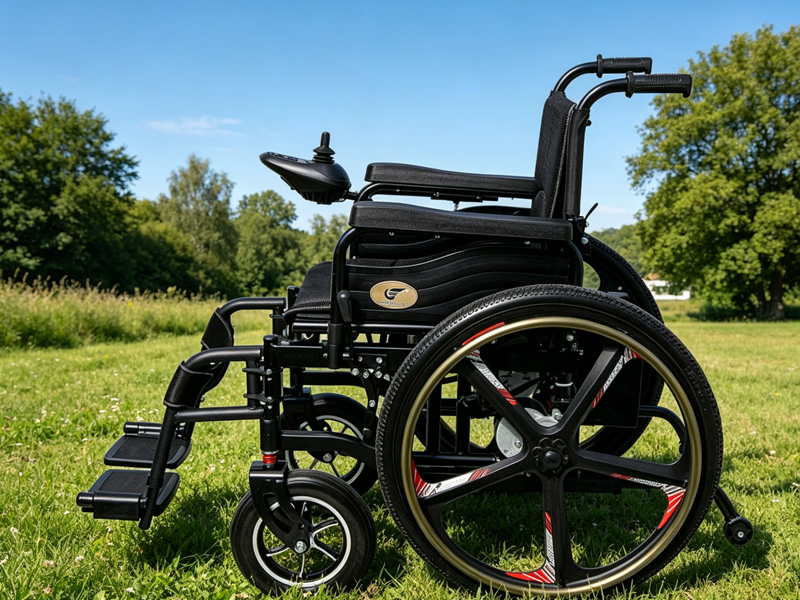
A dual-mode wheelchair combines manual operation with electric power assistance in a single product. Users can switch between powered driving and manual pushing according to their surroundings, energy level, or travel needs. Instead of being limited by a single driving method, users enjoy greater adaptability in hospitals, homes, shopping centers, airports, parks, offices, and outdoor environments.
As mobility technology continues to evolve, dual-mode wheelchairs are becoming increasingly popular among seniors, rehabilitation patients, caregivers, and individuals seeking long-term mobility solutions. Their versatility makes them an excellent investment for people who value both independence and convenience.
One of the biggest limitations of a traditional manual wheelchair is physical effort. Although manual chairs are lightweight and easy to transport, users often need considerable upper-body strength to travel long distances or climb slopes. Caregivers may also experience fatigue when pushing someone over uneven terrain or throughout a full day of activities.
Electric wheelchairs solve many of these challenges by allowing users to drive independently using a joystick controller. They reduce physical strain, improve travel distance, and provide a smoother riding experience. However, some fully powered wheelchairs are heavier, less portable, and occasionally less practical in situations where battery charging is unavailable.
A manual and electric dual-mode wheelchair combines the strengths of both systems while minimizing their individual drawbacks.
When battery power is available, users can comfortably travel longer distances with minimal effort. If the battery runs low, transportation regulations require manual operation, or caregivers prefer to push the chair manually, switching modes is simple and efficient. This flexibility offers reassurance during travel and greater confidence in daily use.
The result is a wheelchair designed not only for mobility but also for real-life adaptability.
Imagine spending an entire afternoon exploring a shopping mall. Instead of becoming exhausted after the first hour, powered assistance allows users to enjoy the experience comfortably. Once entering smaller stores or tighter indoor spaces, manual mode offers precise control where needed.
During family vacations, airports often require extensive walking between terminals. A powered wheelchair reduces physical fatigue, while manual mode provides additional convenience during security inspections, vehicle loading, or situations where electric operation may be temporarily restricted.
Healthcare facilities also benefit from dual-mode designs. Rehabilitation patients can gradually transition between powered assistance and manual propulsion as strength improves, supporting recovery without sacrificing independence.
For caregivers, the advantages are equally significant. Pushing a wheelchair uphill, across parking lots, or through uneven outdoor paths requires considerable effort. Electric assistance greatly reduces physical strain while making longer outings more enjoyable for both caregiver and user.
These practical benefits explain why dual-mode wheelchairs are increasingly recommended for home care, rehabilitation programs, assisted living communities, and independent users alike.
Selecting the right wheelchair involves much more than comparing battery capacity or motor power. A quality mobility solution should balance comfort, safety, durability, and portability while fitting the user’s daily routine.
Frame construction is one of the first considerations. Lightweight aluminum frames are easier to lift into vehicles and transport during travel, while reinforced steel frames provide additional strength for users who require higher weight capacities or expect frequent outdoor use.
Battery performance also plays an important role. Reliable lithium batteries generally offer lighter weight, faster charging, and longer service life compared with older battery technologies. Depending on daily travel distance, battery capacity can significantly influence overall convenience.
Comfort should never be overlooked. Well-designed seating, breathable cushions, ergonomic armrests, adjustable footrests, and supportive backrests contribute to better posture during extended use. These features become especially valuable for individuals who remain seated for several hours each day.
Control systems should be intuitive and responsive. Modern joystick controllers allow users to navigate narrow hallways, elevators, supermarkets, and public transportation with confidence while maintaining smooth acceleration and braking.
Safety features such as electromagnetic brakes, anti-tip wheels, puncture-resistant tires, and stable suspension systems further improve user confidence across different environments.
Ultimately, the best wheelchair is one that integrates these features into a practical design suited to real-world use rather than simply offering impressive specifications on paper.
For users who frequently travel or need a wheelchair that can be transported with minimal effort, portability becomes one of the most valuable characteristics. Heavy mobility equipment often limits spontaneity, making everyday errands, family visits, and vacations unnecessarily complicated.
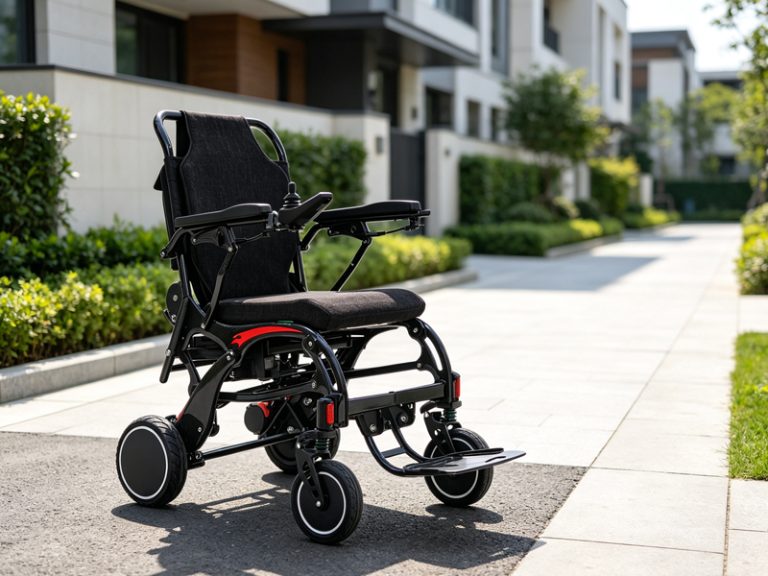
The Portable Lightweight Electric Wheelchair YSE111 has been designed specifically for users who prioritize convenience without sacrificing performance.
Its lightweight construction makes loading into car trunks, storing at home, and transporting during travel considerably easier than many conventional electric wheelchairs. For individuals living in apartments, using elevators, or relying on family members for transportation, a lighter wheelchair can make daily routines noticeably simpler.
Another major advantage is its compact folding structure. Instead of occupying significant storage space, the wheelchair folds efficiently for transport, making it well suited to road trips, hotel stays, and airline travel preparations where space is often limited.
Despite its portable design, the YSE111 continues to deliver reliable electric mobility for daily activities. Whether visiting medical appointments, shopping centers, parks, museums, or community events, users benefit from powered assistance while retaining the flexibility of manual operation whenever circumstances require.
Comfort has also been thoughtfully incorporated into the overall design. The seating position supports extended use, while intuitive controls allow users of different experience levels to operate the wheelchair confidently after only a short period of familiarization.
For active seniors, frequent travelers, and individuals seeking a practical everyday mobility solution, the Portable Lightweight Electric Wheelchair YSE111 represents an excellent balance between portability, performance, and ease of use. Its dual-mode capability ensures that users remain mobile even when situations change unexpectedly, reinforcing both confidence and independence throughout daily life.
Rather than functioning as a wheelchair used only for medical appointments, the YSE111 encourages users to maintain active lifestyles by making transportation easier, reducing physical fatigue, and supporting greater participation in social activities.
While lightweight models are ideal for frequent travel and flexible lifestyles, there is another category of users who need something more robust—people who require higher weight capacity, enhanced stability, and long-term durability for daily intensive use. In these cases, steel-frame electric wheelchairs remain one of the most reliable solutions in the mobility market.
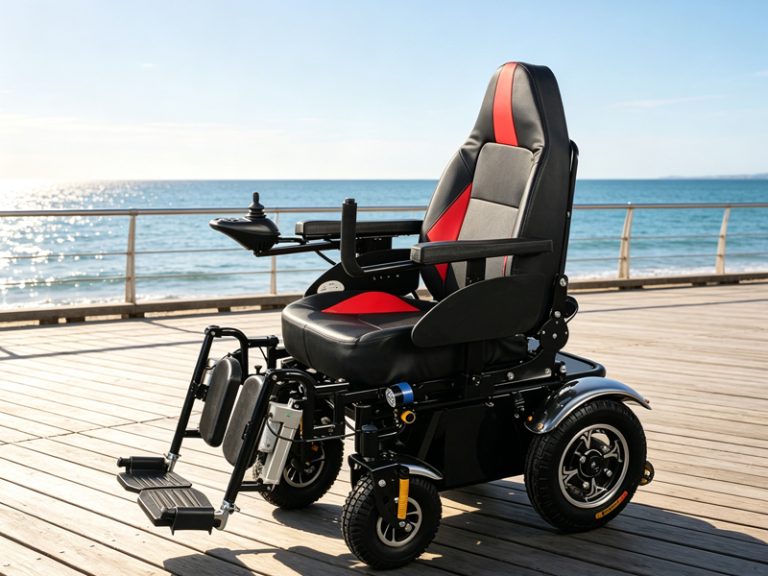
The Steel Electric Wheelchair YSE123 is designed precisely with this philosophy in mind. Unlike ultra-light models that prioritize portability above all else, this wheelchair focuses on structural strength and long-term endurance. Its reinforced steel frame provides a solid foundation that feels stable across different terrains, from indoor flooring to outdoor pavements and slightly uneven surfaces.
For users who spend most of their day in a wheelchair, structural confidence matters as much as comfort. The YSE123 delivers a reassuring sense of stability during movement, especially when navigating ramps, outdoor paths, or environments where terrain conditions may vary. The frame is engineered to handle frequent daily use without compromising safety or performance over time.
Another important advantage of steel construction is load distribution. Instead of feeling fragile or overly compact, the chair maintains a grounded ride quality that many users prefer for long-term seating. This makes it particularly suitable for individuals who require a dependable daily-use mobility solution rather than a travel-focused product.
In terms of usability, the YSE123 integrates a smooth joystick control system that allows precise navigation even in tighter indoor spaces. While it is more robust in structure, it does not sacrifice maneuverability. Users can still move comfortably through hallways, elevators, and shopping areas without excessive effort or complicated controls.
Battery efficiency is also optimized for daily routines. Instead of focusing purely on lightweight portability, this model supports consistent usage across extended periods, making it suitable for users who rely on their wheelchair as their primary mode of transportation throughout the day.
Overall, the Steel Electric Wheelchair YSE123 is best understood as a long-term mobility companion—one that prioritizes strength, stability, and reliability above all else. It is particularly well suited for users who value confidence in structural performance and need a wheelchair that can withstand regular, intensive usage without compromise.
Between ultra-light travel models and heavy-duty steel wheelchairs, there is a growing demand for a middle-ground solution—something that offers both portability and sufficient performance for daily mobility. This is where the Portable Power Wheelchair category becomes especially relevant.
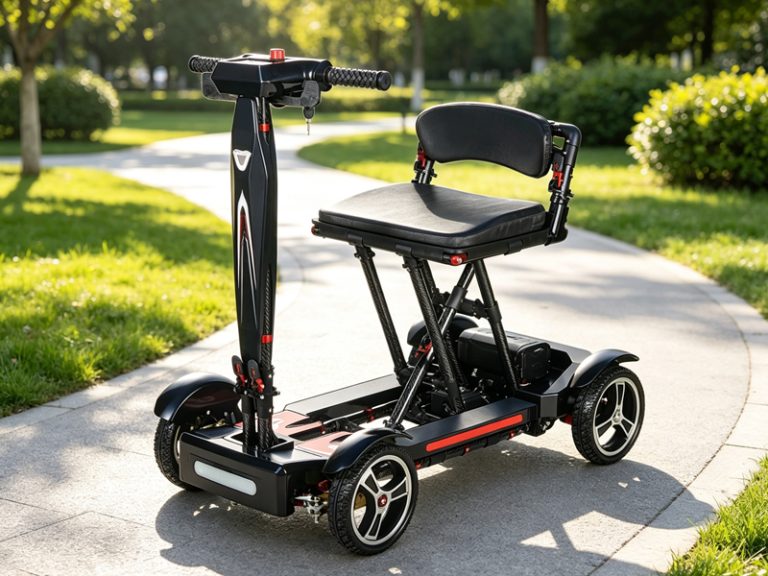
Designed for users who want flexibility without sacrificing essential power, portable power wheelchairs are becoming increasingly popular among seniors, caregivers, and individuals who move frequently between indoor and outdoor environments. They are typically easier to fold, transport, and store than heavy-duty models while still offering reliable electric assistance for everyday mobility needs.
The key advantage of this type of wheelchair lies in its adaptability. It is not restricted to a single usage scenario. Whether used at home, during short city trips, or while traveling, a portable power wheelchair provides enough performance to support daily independence without requiring complex handling or excessive maintenance.
In real-world use, this balance becomes particularly valuable. Users can easily store the wheelchair in a vehicle trunk, bring it into medical facilities, or carry it through travel hubs without the logistical challenges associated with larger mobility equipment. At the same time, the electric motor system ensures smooth movement across moderate distances, reducing physical strain and improving overall comfort.
For individuals who feel that ultra-light models may lack power and heavy-duty models may feel too bulky, portable power wheelchairs provide a practical middle solution that fits modern lifestyles more naturally.
One of the most common mistakes when selecting a wheelchair is focusing only on technical specifications such as battery capacity, motor wattage, or frame material. While these factors are important, they do not fully reflect how the wheelchair will perform in daily life.
A more practical approach is to evaluate lifestyle needs first.
For users who travel frequently, live in urban environments, or rely on car transportation, lightweight and foldable models like the YSE111 Portable Lightweight Electric Wheelchair often provide the best experience. The emphasis here is convenience, portability, and ease of storage.
For users who need a daily-use wheelchair with stronger structural support and long-term durability, the YSE123 Steel Electric Wheelchair offers a more stable and robust solution that performs reliably over extended periods of use.
For those who fall somewhere in between—needing both portability and solid performance—the Portable Power Wheelchair category becomes a balanced option that adapts well to different environments without excessive compromise.
Understanding these differences allows users to make more informed decisions and ultimately choose a wheelchair that fits naturally into their lifestyle rather than forcing lifestyle adjustments around the equipment.
Regardless of which model is chosen, proper maintenance plays an essential role in ensuring long-term performance and safety. Electric wheelchairs, like any mobility equipment, benefit significantly from regular care routines.
Battery maintenance is one of the most important aspects. Users should avoid fully depleting the battery too frequently and ensure regular charging cycles to maintain battery health. Storing the wheelchair in a dry, temperature-controlled environment also helps preserve battery performance over time.
Tire inspection is another key factor. Whether solid or pneumatic, tires should be checked periodically for wear and tear, ensuring smooth movement and reducing the risk of unexpected issues during use.
Cleaning the frame and control system helps maintain both hygiene and functionality. Dust and debris can accumulate over time, particularly in outdoor environments, so regular wiping and inspection ensure smoother operation.
Finally, periodic professional servicing is recommended for users who rely heavily on their wheelchair daily. This helps identify potential issues early and ensures that braking systems, motors, and electrical components remain in optimal condition.
Modern wheelchairs are no longer limited to basic transportation tools. They have evolved into mobility solutions that support independence, dignity, and lifestyle freedom. Dual-mode and electric wheelchairs, in particular, reflect a shift toward more user-centered design, where flexibility and comfort are prioritized alongside performance.
Whether choosing a lightweight travel-friendly model like the YSE111, a durable steel-frame solution like the YSE123, or a balanced portable power wheelchair, the key decision lies in understanding personal mobility needs rather than simply comparing specifications.
When chosen correctly, a wheelchair becomes more than equipment—it becomes part of daily life, supporting movement, confidence, and participation in the world.
1. What is the main advantage of a dual-mode wheelchair compared to a standard electric wheelchair?
A dual-mode wheelchair allows users to switch between electric and manual operation. This flexibility ensures mobility even when the battery is low, during travel restrictions, or in environments where electric use is not practical.
2. Is a lightweight electric wheelchair suitable for long-term daily use?
Yes, lightweight models like the YSE111 are suitable for daily use, especially for users who prioritize portability and frequent transportation. However, they are best matched to moderate usage lifestyles rather than heavy-duty continuous operation.
3. How do I choose between a steel-frame wheelchair and a portable model?
If you need maximum durability and stability for daily intensive use, a steel-frame model like the YSE123 is ideal. If you prioritize travel convenience and easier storage, a portable power wheelchair is a more balanced choice.