Our Location
Free Trade Tower, Xiyong street.
Chongqing, China

Free Trade Tower, Xiyong street.
Chongqing, China
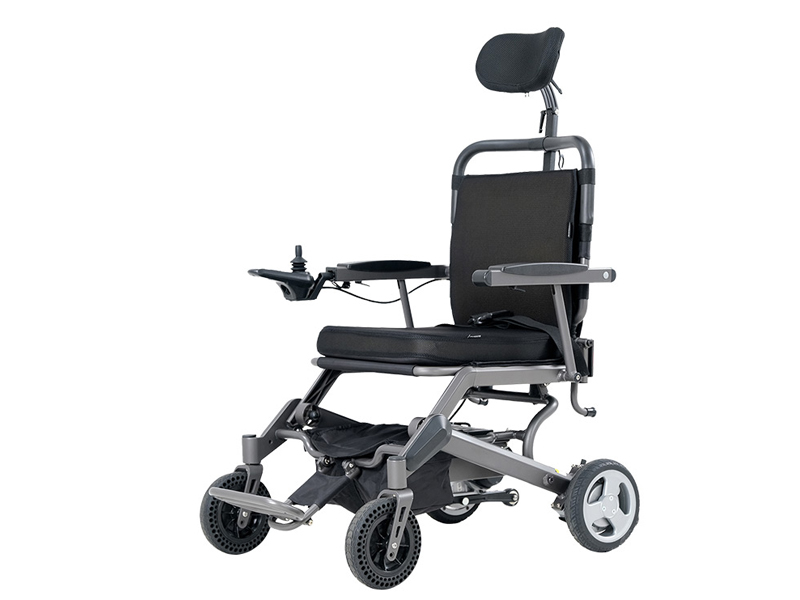
Recovering from surgery, neurological conditions, spinal cord injuries, or age-related mobility loss often requires more than a standard mobility aid. For many individuals, a hospital-grade rehabilitation power wheelchair becomes an essential part of daily life, supporting safe movement, reducing caregiver burden, and helping users regain confidence during every stage of recovery.
Unlike conventional electric wheelchairs that primarily focus on transportation, rehabilitation power wheelchairs are designed to support long hours of use while improving comfort, posture, circulation, and independence. Modern models now combine medical-grade engineering with intelligent control systems, ergonomic seating, compact folding designs, and powerful motors, making them suitable for hospitals, rehabilitation centers, home care, assisted living facilities, and outdoor environments alike.
Choosing the right rehabilitation wheelchair is not simply about selecting the most powerful motor or the highest battery capacity. Every user has unique mobility needs, physical conditions, and daily routines. Understanding the features that truly improve rehabilitation outcomes can help families, caregivers, and healthcare providers make informed decisions.
Rehabilitation is a gradual process that depends on consistent support, proper positioning, and safe mobility. Individuals recovering from stroke, multiple sclerosis, Parkinson’s disease, spinal cord injuries, orthopedic surgery, or severe arthritis often experience fatigue, limited muscle strength, and reduced endurance. Manual wheelchairs may become physically exhausting, while basic electric wheelchairs may lack the comfort and positioning adjustments required for extended use.
Hospital-grade rehabilitation power wheelchairs address these challenges through carefully engineered designs that prioritize both mobility and physical health. Adjustable seating systems reduce pressure points during prolonged sitting, reclining functions encourage better circulation and relaxation, while stable driving systems provide confidence across different indoor and outdoor environments.
For caregivers, these wheelchairs significantly reduce physical strain by minimizing the need for manual pushing and frequent repositioning. For users, they restore a greater sense of independence, allowing daily activities such as shopping, visiting family, attending medical appointments, or simply moving comfortably around the home without relying entirely on others.
Instead of viewing a power wheelchair as only a mobility device, many rehabilitation specialists now consider it an important component of long-term recovery and quality of life.
A high-quality rehabilitation wheelchair should balance safety, comfort, durability, and ease of operation. Several features distinguish hospital-grade models from standard consumer wheelchairs.
An ergonomic seating system remains one of the most important considerations. Long periods of sitting can increase pressure on the hips, spine, and lower back, potentially causing discomfort or pressure injuries. Cushioned seating with proper lumbar support helps maintain healthier posture while reducing fatigue throughout the day.
Adjustable reclining capability also plays a major role during rehabilitation. Being able to change sitting angles allows users to rest periodically, relieve spinal pressure, improve blood circulation, and remain comfortable during extended use.
Powerful yet smooth motors contribute to stable movement across a variety of surfaces. Whether navigating hospital hallways, residential flooring, sidewalks, ramps, or uneven outdoor terrain, responsive motor performance improves confidence while minimizing unnecessary vibration.
Battery performance is equally important. Longer travel ranges allow users to complete daily activities without constantly worrying about recharging, making the wheelchair more practical for independent living.
Finally, portability has become increasingly valuable. Many users require transportation between home, rehabilitation centers, medical appointments, or family visits. Foldable electric wheelchairs simplify storage inside cars while reducing transportation challenges for caregivers.
Selecting the right wheelchair depends on individual rehabilitation goals. The following three models provide different strengths that address a wide range of medical and mobility needs.
The IYASOCARE Electric Reclining Wheelchair YSE148 is specifically designed for users who spend extended periods seated each day and require additional support during recovery.
Its electric reclining function allows users to adjust seating positions easily without physical effort. This feature helps reduce pressure on the lower back while promoting improved circulation, making it especially valuable for stroke recovery, neurological rehabilitation, spinal injuries, and elderly users with limited mobility.
The wheelchair combines a stable frame, comfortable cushioning, intuitive joystick controls, and reliable driving performance, enabling smooth movement across hospitals, rehabilitation facilities, and home environments. For caregivers, the reclining system also simplifies repositioning and daily care.
Key advantages include:
For users requiring long-term rehabilitation support, the YSE148 delivers an excellent balance between medical functionality and everyday independence.
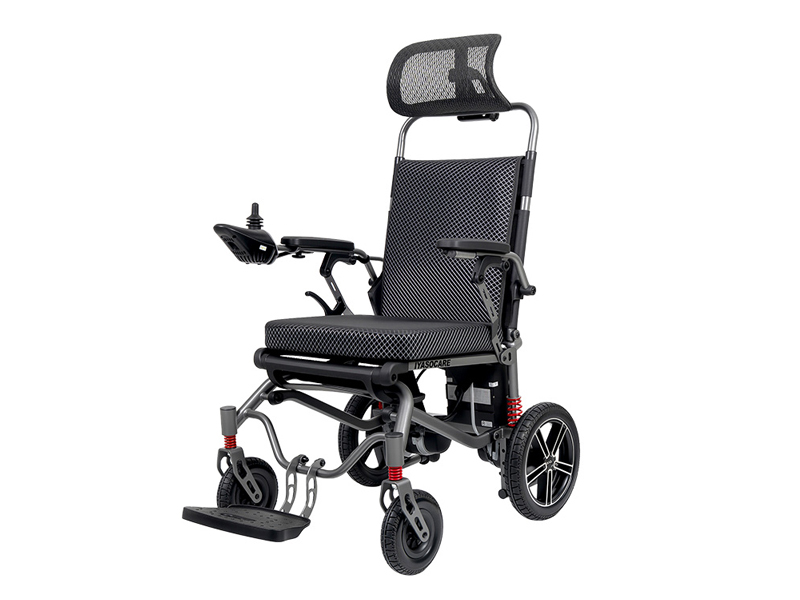
Many rehabilitation patients remain active outside the home, requiring frequent transportation between clinics, therapy sessions, family gatherings, and travel destinations. The IYASOCARE Foldable Electric Wheelchair YSE130X addresses this need through an intelligent folding design without sacrificing power or stability.
Its lightweight construction allows caregivers or family members to fold and transport the wheelchair with minimal effort, making it particularly suitable for users who regularly travel by car.
Despite its compact design, the YSE130X maintains dependable motor performance, comfortable seating, and responsive controls for everyday mobility. Its versatility allows users to transition smoothly between indoor living spaces and outdoor pathways while maintaining confidence and comfort.
Major benefits include:
For individuals seeking greater flexibility without giving up powered mobility, the YSE130X represents an excellent rehabilitation companion.
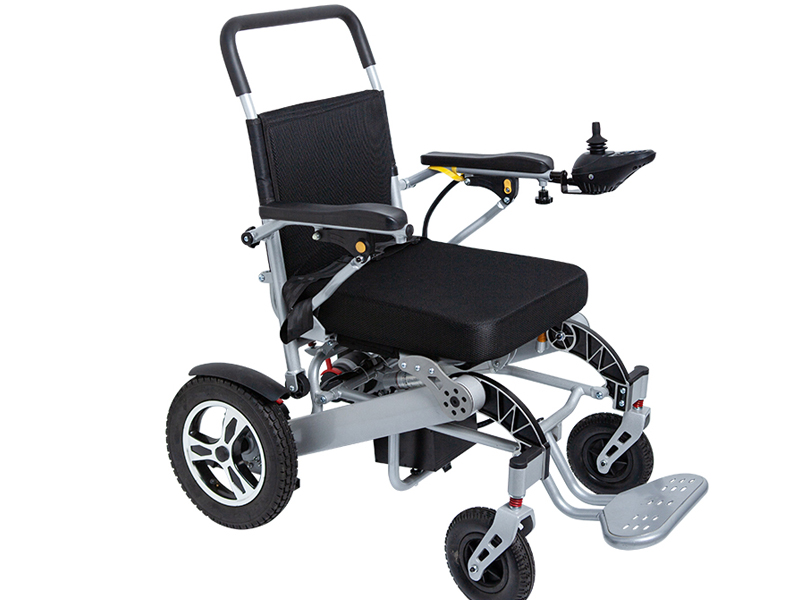
The IYASOCARE Electric Wheelchair YSE110 offers a practical solution for users seeking dependable daily mobility with straightforward operation and durable construction.
Designed for everyday use, the YSE110 combines efficient electric power, intuitive joystick controls, and a comfortable seating system that supports users throughout daily activities. Whether navigating residential spaces, healthcare facilities, shopping centers, or community environments, it provides consistent performance and reliable handling.
Its robust frame and user-friendly controls make it suitable for seniors, individuals with chronic mobility limitations, and patients transitioning from hospital rehabilitation to independent living.
Notable features include:
For users who prioritize dependable performance and ease of use, the YSE110 provides outstanding value while supporting greater independence.
Beyond mobility, rehabilitation wheelchairs influence nearly every aspect of daily living. Improved independence often leads to greater emotional well-being, increased social participation, and enhanced confidence during recovery.
Users frequently discover that everyday tasks become significantly more manageable. Activities such as preparing meals, attending appointments, shopping, participating in family events, or enjoying outdoor parks become more accessible when mobility is no longer a constant limitation.
From a medical perspective, maintaining proper seating posture and reducing unnecessary physical strain may also help decrease fatigue while supporting healthier long-term outcomes. Adjustable seating positions encourage better pressure management, which is particularly important for users with reduced sensation or prolonged sitting requirements.
Caregivers likewise benefit from reduced physical demands. Less manual pushing, easier transfers, and simplified transportation contribute to lower caregiver fatigue while allowing more attention to rehabilitation and personal interaction.
No single rehabilitation wheelchair is ideal for every user. Choosing the appropriate model depends on medical condition, lifestyle, and long-term mobility goals.
Individuals who spend many hours seated each day or require regular repositioning may benefit most from a reclining rehabilitation wheelchair that emphasizes pressure relief and comfort.
Users who frequently travel or attend outpatient therapy often prefer foldable electric wheelchairs because they simplify transportation while maintaining reliable powered mobility.
Those seeking dependable everyday independence without advanced positioning functions may find that a standard hospital-grade electric wheelchair provides the right balance between performance, durability, and affordability.
Consulting healthcare professionals, rehabilitation therapists, and caregivers before purchasing helps ensure that the selected wheelchair aligns with current medical needs while accommodating future recovery progress.
1. What makes a hospital-grade rehabilitation power wheelchair different from a standard electric wheelchair?
Hospital-grade rehabilitation power wheelchairs are specifically designed for extended daily use and medical rehabilitation. They typically offer enhanced ergonomic support, improved stability, advanced seating adjustments such as reclining functions, and greater durability to meet the needs of users recovering from injury, surgery, or long-term mobility conditions.
2. Who should consider using a reclining electric wheelchair?
A reclining electric wheelchair is an excellent choice for individuals recovering from stroke, spinal cord injuries, neurological disorders, severe arthritis, or those who remain seated for long periods each day. The reclining function helps relieve pressure, improve circulation, and enhance overall comfort during prolonged use.
3. How do I choose the best rehabilitation power wheelchair for long-term use?
Consider factors such as your medical condition, daily mobility requirements, seating comfort, battery range, portability, weight capacity, and whether features like reclining or foldability are necessary. Consulting a healthcare professional or rehabilitation therapist can also help ensure you choose a wheelchair that supports both your current needs and future recovery goals.