Our Location
Free Trade Tower, Xiyong street.
Chongqing, China

Free Trade Tower, Xiyong street.
Chongqing, China
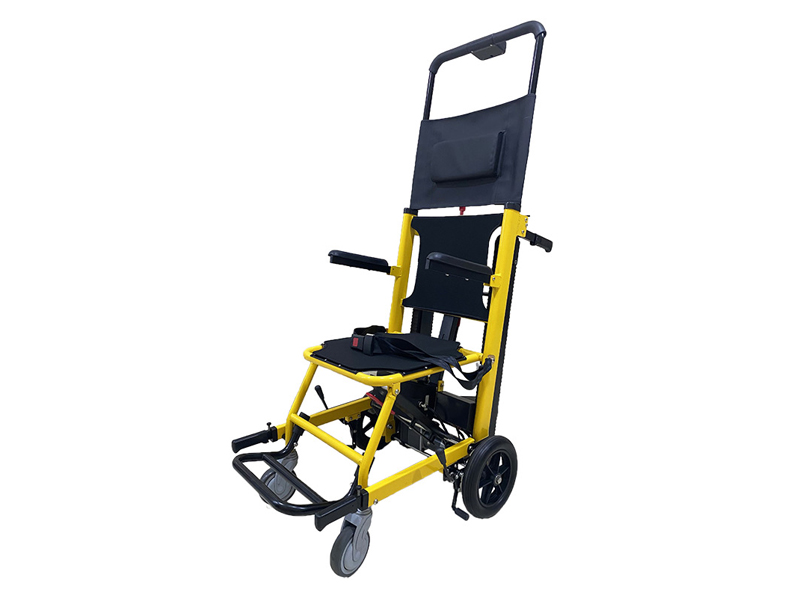
Stairs remain one of the biggest barriers to mobility for wheelchair users, seniors, rehabilitation patients, and caregivers around the world. While elevators and ramps improve accessibility in many public spaces, countless homes, apartments, offices, schools, and emergency situations still involve staircases that cannot be avoided. Traditional wheelchairs simply are not designed to overcome these obstacles safely, leaving users dependent on multiple caregivers or risky manual lifting.
Fortunately, modern stair climbing wheelchairs have transformed the way people navigate multi-level environments. Designed with advanced climbing mechanisms, intelligent braking systems, ergonomic seating, and portable construction, these innovative mobility solutions provide greater independence while significantly reducing physical strain on caregivers.
Whether you’re purchasing a stair climbing wheelchair for home use, healthcare facilities, emergency rescue teams, or patient transportation, understanding the available technologies and choosing the right model can greatly improve both safety and quality of life.
Standard manual and electric wheelchairs are engineered for smooth, level surfaces. When used on staircases, they present several serious risks.
The most obvious concern is instability. The center of gravity changes dramatically on stairs, making tipping accidents much more likely. Even experienced caregivers often struggle to maintain proper balance while manually lifting a wheelchair.
Manual carrying also creates significant physical stress. Repeated lifting can lead to back injuries, muscle fatigue, and accidental dropping of the wheelchair, especially when transporting heavier individuals.
In emergency evacuations, valuable time can be lost when several people are required to safely move one wheelchair user downstairs. Hospitals, nursing homes, hotels, and public buildings increasingly recognize that specialized stair climbing equipment is essential rather than optional.
Modern stair climbing wheelchairs solve these challenges through purpose-built engineering instead of relying solely on human strength.
Safety is determined by much more than simply climbing stairs. A truly reliable stair climbing wheelchair integrates multiple systems that work together to protect both users and caregivers.
Key safety features typically include:
These technologies minimize vibration during climbing while maintaining smooth movement across different stair angles.
Investing in a dedicated stair climbing wheelchair offers long-term benefits for both individuals and organizations.
Greater Independence
For many users, stairs represent the last remaining obstacle to independent mobility. Electric stair climbing wheelchairs reduce reliance on multiple caregivers and make daily movement significantly easier.
Enhanced Caregiver Safety
Caregivers frequently report back pain after manually carrying patients. Stair climbing systems dramatically reduce lifting effort and lower the risk of workplace injuries.
Increased Emergency Preparedness
Hospitals, emergency responders, schools, airports, and hotels often include stair climbing wheelchairs in evacuation plans because elevators may become unavailable during fires or power outages.
Improved Comfort
Modern suspension systems, ergonomic seat cushions, adjustable handles, and smooth climbing mechanisms create a much more comfortable experience than traditional carrying methods.
Selecting the right model depends largely on how and where the wheelchair will be used.
Home Care
Families generally prioritize portability, compact folding size, simple operation, and lightweight construction.
Hospitals and Clinics
Medical facilities often require durable equipment capable of frequent daily use with different patients.
Emergency Rescue
Emergency teams need reliable climbing performance, rapid deployment, and sturdy frames capable of handling demanding situations.
Long-Term Personal Mobility
Users seeking daily independence may benefit from powered stair climbing systems that require minimal caregiver assistance.
Rather than focusing only on price, buyers should evaluate safety certifications, climbing capacity, battery life, maintenance requirements, and overall build quality.
Selecting a trusted manufacturer is equally important as choosing the right features. IYASOCARE has developed several professional stair climbing wheelchairs designed for healthcare providers, emergency services, rehabilitation centers, and home users.
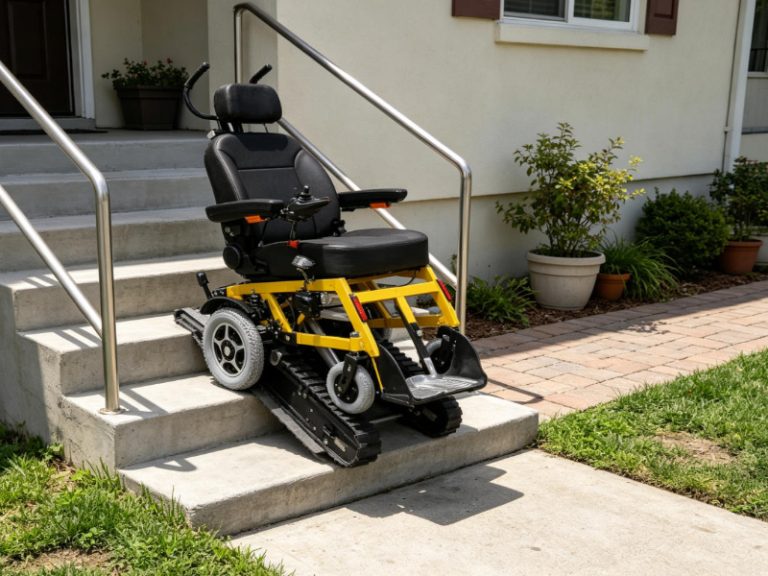
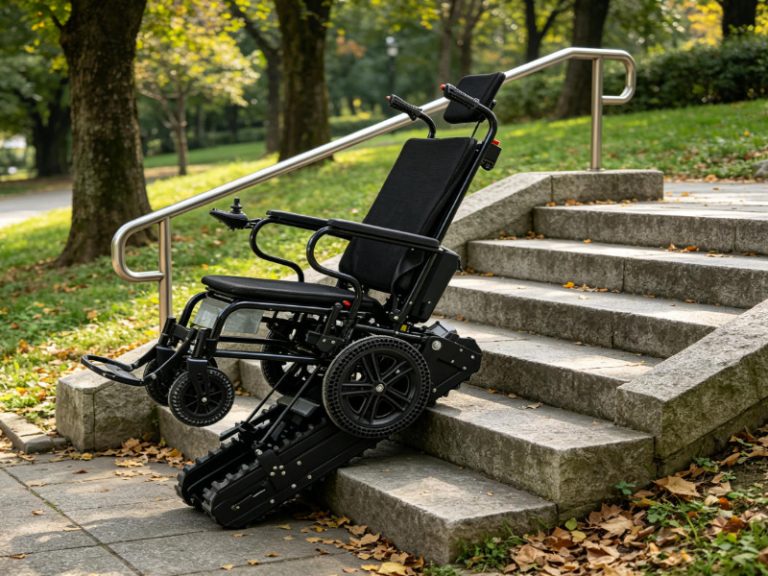
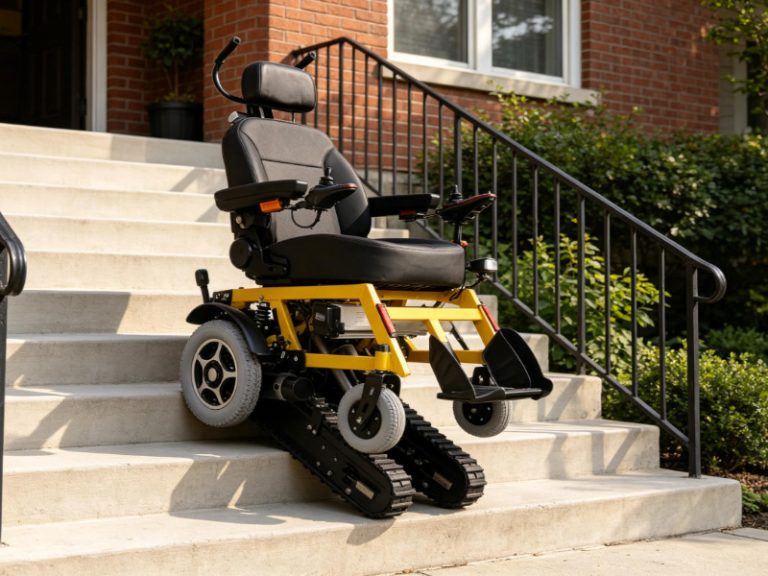
The Electric Stair Climbing Wheelchair YSE209 is designed for users who want maximum convenience with minimal physical effort. Equipped with an electric climbing system, it allows caregivers to transport users safely up and down stairs while maintaining excellent stability.
Key advantages include:
The YSE209 is especially suitable for users requiring frequent stair transportation where efficiency and caregiver comfort are priorities.
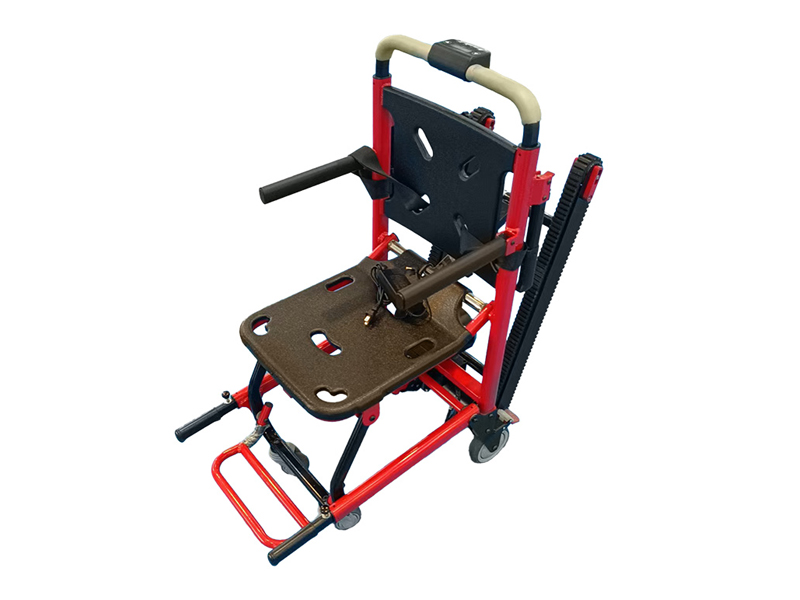
For families, travel, and everyday transportation, the Lightweight Folding Stair Climbing Wheelchair offers an excellent balance between portability and performance.
Its lightweight design makes lifting into vehicles much easier while still providing dependable stair climbing capability.
Notable features include:
Because it folds quickly, this model is particularly attractive for users who travel regularly or have limited storage space.
The YSE203 Stair Climbing Wheelchair is built for demanding environments where durability and reliability are essential.
Designed with healthcare institutions and emergency responders in mind, this model provides consistent stair climbing performance while maintaining excellent passenger stability.
Major highlights include:
Organizations looking for dependable patient transportation equipment often choose this model because of its professional-grade engineering.
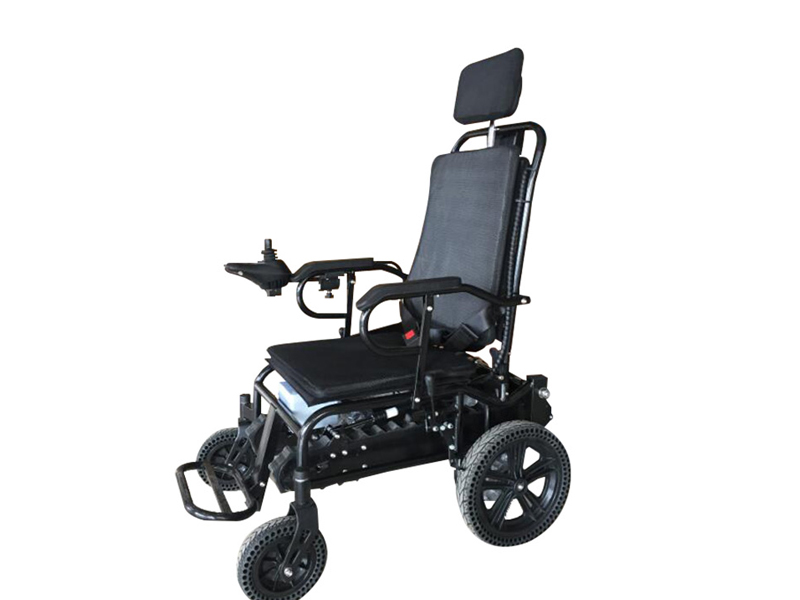
| Feature | Electric YSE209 | Lightweight Folding Model | YSE203 |
|---|---|---|---|
| Power System | Electric | Manual Assisted | Manual Assisted |
| Portability | Excellent | Outstanding | Good |
| Folding Design | Yes | Yes | Yes |
| Home Use | Excellent | Excellent | Very Good |
| Hospital Use | Excellent | Good | Excellent |
| Emergency Rescue | Excellent | Good | Excellent |
| Caregiver Effort | Lowest | Moderate | Moderate |
| Long-Term Daily Use | Excellent | Very Good | Excellent |
Each model addresses different mobility needs while maintaining a strong focus on user safety.
Proper maintenance helps extend the lifespan of a stair climbing wheelchair while ensuring consistent safety.
Regularly inspect the climbing tracks or wheels for signs of wear and remove any debris that could affect performance. Battery-powered models should be recharged according to the manufacturer’s recommendations and stored in a dry environment when not in use.
Routine checks of the braking system, safety belts, frame connections, and folding mechanisms are equally important. Healthcare facilities should establish scheduled inspections to ensure every wheelchair remains ready for daily operation or emergency deployment.
Simple preventive maintenance can significantly reduce unexpected downtime and maximize the product’s service life.
Price is often one of the first factors buyers consider, but safety should never be compromised. A well-designed stair climbing wheelchair is an investment in independence, caregiver well-being, and emergency preparedness.
High-quality engineering minimizes accident risks, improves user confidence, and reduces physical strain during every journey. Whether assisting an elderly family member at home or transporting patients in a healthcare setting, the right equipment makes stair navigation safer, smoother, and far more efficient.
As populations age and accessibility becomes increasingly important worldwide, stair climbing wheelchairs continue to play a vital role in improving mobility across residential, medical, and public environments.
Choosing a professionally designed solution such as the YSE209, the Lightweight Folding Stair Climbing Wheelchair, or the YSE203 ensures that users benefit from advanced safety features, reliable performance, and practical functionality tailored to real-world needs.
Ultimately, the best stair climbing wheelchair is the one that combines safety, comfort, durability, and ease of use, allowing users to overcome one of the most challenging everyday barriers with confidence.
1. Who can benefit from using a stair climbing wheelchair?
Stair climbing wheelchairs are ideal for elderly individuals, wheelchair users, people recovering from surgery, patients with limited mobility, healthcare facilities, emergency responders, nursing homes, and caregivers who regularly assist people on staircases.
2. Are electric stair climbing wheelchairs safer than manual models?
Electric stair climbing wheelchairs generally reduce physical effort for caregivers and provide smoother, more controlled movement. However, both electric and manual stair climbing wheelchairs can be very safe when they are properly designed, maintained, and operated according to the manufacturer’s guidelines.
3. What should I consider before purchasing a stair climbing wheelchair?
Important factors include weight capacity, stair climbing mechanism, portability, folding capability, battery life (for electric models), ease of operation, safety features, durability, maintenance requirements, and the primary environment where the wheelchair will be used, such as homes, hospitals, or emergency rescue scenarios.