Our Location
Free Trade Tower, Xiyong street.
Chongqing, China

Free Trade Tower, Xiyong street.
Chongqing, China
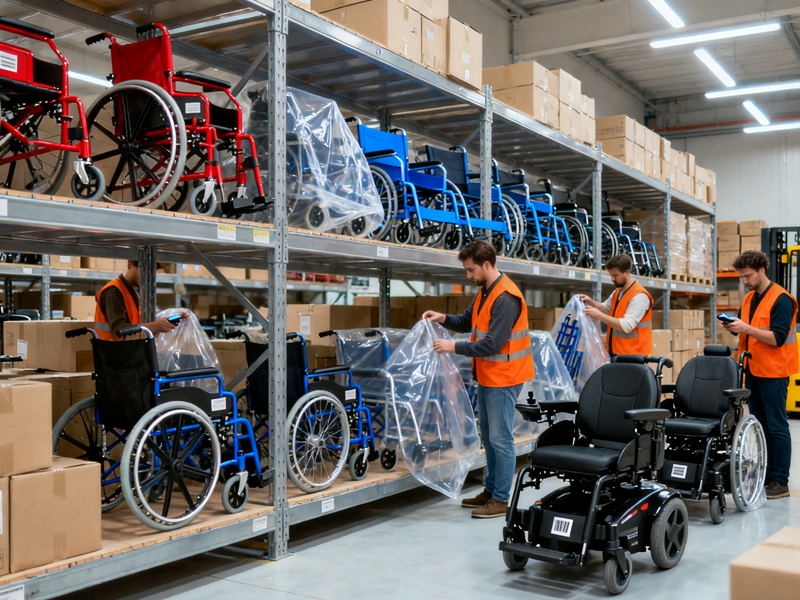
the global wheelchair market has been shaped by large medical distributors and standardized products. Hospitals, rehabilitation centers, and long-term care facilities often ordered wheelchairs in bulk, receiving nearly identical models year after year. While these conventional designs served basic mobility needs, they rarely addressed the realities of individualized patient conditions, evolving clinical standards, or the more demanding expectations of modern healthcare buyers.
the B2B mobility equipment landscape has quietly undergone a transformation. Healthcare institutions now expect equipment that not only meets international compliance requirements but also aligns with evidence-based therapy practices, long-term durability, caregiver ergonomics, transportation compatibility, user comfort, and—more than ever before—customization. Wheelchairs are no longer passive medical devices; they are precision-engineered, highly adaptable instruments that influence patient recovery, lifestyle, and independence.
professional wheelchair manufacturers are stepping into a new era: providing custom-engineered mobility solutions rather than one-size-fits-all hardware. Manufacturers like Iyasocare, among a growing group of specialized suppliers, now lead the market by offering comprehensive B2B customization programs—bridging design, engineering, material science, clinical mobility research, and industrial-scale manufacturing.
The global mobility market is growing steadily, driven by several socio-economic factors. Aging populations in North America, Europe, Japan, South Korea, and parts of Southeast Asia create increasing demand for both basic mobility devices and advanced rehabilitation technologies. Meanwhile, healthcare standards worldwide are catching up to clinical guidelines that stress individuality and patient-centric care.
In the past, B2B buyers typically ordered wheelchairs according to stock availability and price tiers. But healthcare equipment procurement has become more refined. Today, hospitals and rehab centers look for products that align with specific use cases:
Acute care / post-surgery mobility
Long-term seated pressure management
Bariatric mobility support
Pediatric growth-adjustable models
Sports or outdoor-use wheelchairs
Transport-friendly wheelchairs for airlines or emergency fleets
Lightweight, ergonomic models for home-care providers
This is where true customization becomes a strategic advantage. Instead of compromising with models that partially meet facility needs, B2B buyers now expect manufacturers to offer variations in:
Frame materials (aluminum, carbon fiber, magnesium alloy, reinforced steel)
Seat width, depth, and backrest height
Armrest and footrest configurations
Foldability mechanics
Wheel size and tire material
Cushion type and pressure-relief design
Anti-tip systems and braking mechanisms
Load capacity
Color, branding, and facility labeling
Customized wheelchairs allow clinical professionals to match patient needs more accurately, reduce injury risks, improve posture and circulation, and extend device service life. And for institutions managing hundreds of patients, customization can drastically reduce operational costs by lowering repair frequency and ensuring the right device is paired with the right user from day one.
Professional-grade wheelchair manufacturing is not just about producing equipment; it’s about combining engineering precision, user-centered ergonomics, and global regulatory compliance. To be recognized as a serious B2B supplier, a modern manufacturer must meet several industry expectations.
Professional wheelchair manufacturers invest heavily in:
Finite element analysis (FEA) to optimize frame strength
Corrosion-resistant material treatments
Advanced welding and folding mechanisms
High-strength yet lightweight alloys
Shock-absorbing wheel systems
Cold-formed tubing for smoother structural integrity
This engineering approach ensures that wheelchairs remain durable and safe even after years of intensive use, especially in clinical environments with high turnover.
B2B buyers often need wheelchairs that meet established international standards such as:
ISO 13485 (Quality management for medical devices)
ISO 7176 series (Wheelchair performance & safety standards)
FDA registration (for the U.S. market)
CE marking (European market compliance)
TGA, MDR, or country-specific requirements
A professional manufacturer understands how to navigate these certifications and maintains them across all production lines.
The modern mobility market requires more than catalog sales. Manufacturers who excel in B2B supply often provide:
OEM labeling and packaging
ODM product development
Engineering consultations for new market segments
Custom branding
Bulk customization with short lead times
Iyasocare, for example, has built strong recognition thanks to its structured OEM/ODM services for international importers, medical wholesalers, and national distributors seeking exclusive or private-label wheelchair lines.
Professional factories implement:
Incoming materials inspection
Stress testing and fatigue analysis
Load capacity trials
Anti-tip stability measurements
Braking force calibration
Surface treatment durability tests
Such procedures ensure consistency across thousands of units—even in highly customized batches.
For B2B partners, reliable logistics is as vital as product quality. Manufacturers must offer:
Flexible shipping solutions (FOB, CIF, DDP)
Palletized packaging for easier warehouse handling
Damage-resistant carton design
Timely production lead times
Support for customs documentation
This level of service is essential, particularly for distributors who depend on predictable timelines.
Healthcare institutions increasingly appreciate customized wheelchairs because they directly impact patient outcomes. Here are a few key reasons.
Standard wheelchairs often use generic cushions that do not align with user anatomy, leading to discomfort, muscle tension, or severe pressure sores. Customized seating systems significantly reduce these risks by providing better weight distribution and improved posture alignment.
Patients are more likely to use a wheelchair consistently when it is comfortable, lightweight, and easy to maneuver. Custom wheel size, cushioning, backrest positioning, and ergonomic handles directly influence long-term acceptance.
Doctors, nurses, and caregivers benefit from wheelchairs that are easier to push, fold, transport, or adjust. Custom features, such as anti-pinch folding systems or ergonomic push-bar angles, protect caregivers from repetitive strain injuries.
Wheelchairs built for specific users endure less stress and wear because settings match the individual’s weight, posture, and movement habits. Custom devices reduce maintenance demands and make facility operations more efficient.
Among the new generation of wheelchair manufacturers, Iyasocare has gained international attention for its commitment to quality, engineering innovation, and customization flexibility. Unlike brands that simply mass-produce standard models, Iyasocare focuses on partnering with global distributors, medical institutions, and rehabilitation chains to create wheelchairs tailored to professional and clinical needs.
Several aspects distinguish Iyasocare from typical manufacturers:
The company’s engineers integrate user feedback from therapists, clinicians, and long-term wheelchair users to refine design ergonomics. This blend of scientific research and practical experience leads to wheelchairs that balance durability with comfort.
Iyasocare offers structured customization processes that allow wholesale buyers to tailor elements like:
Seat and frame dimensions
Cushion systems
Wheel configurations
Materials (including lightweight aviation-grade aluminum)
Color customization
Facility-specific branding
This makes the brand a preferred OEM/ODM partner in regions such as Europe, the Middle East, South America, and Southeast Asia.
Iyasocare maintains strict adherence to ISO and CE standards, ensuring that all wheelchairs meet international regulatory requirements. For B2B buyers serving hospitals or government-funded programs, certification reliability is crucial.
The brand’s facilities support both small-batch and high-volume orders without compromising consistency. This scalability allows distributors to grow their product lines without changing suppliers.
Whether the buyer is a national medical distributor, a private hospital chain, a government tender contractor, or a rehabilitation equipment wholesaler, several purchasing priorities remain consistent across markets.
Institutions must know exactly where products come from, how they are made, and whether they meet compliance requirements. Professional manufacturers provide documentation, test reports, and material traceability.
Healthcare budgets are under pressure in most countries. Distributors need pricing that supports healthy margins while still ensuring robust, long-lasting wheelchair construction.
Buyers increasingly expect to tailor models to local market demands, patient conditions, or national specifications. Suppliers who offer customization gain a competitive advantage.
A dependable manufacturer provides spare parts availability, long-term technical guidance, and responsive communication—key aspects of maintaining trust in international B2B relationships.
As rehabilitation technology evolves, buyers look for suppliers who continuously innovate, improving existing models and introducing advanced variants like tilt-in-space chairs, ultra-lightwheel models, and postural support systems.
Customized wheelchairs do more than provide comfort—they create systemic benefits for healthcare organizations.
Proper positioning accelerates recovery for patients after orthopedic surgery, stroke, spinal injury, or chronic conditions. Custom seating prevents complications that extend inpatient time.
When institutions can specify wheelchair dimensions and performance features, therapy departments can maintain more consistent care protocols.
Many long-term users experience greater independence with wheelchairs designed to match their daily activities, environment, and strength level.
Although customized wheelchairs may cost slightly more upfront, they drastically reduce maintenance, repair frequency, and replacement cycles.
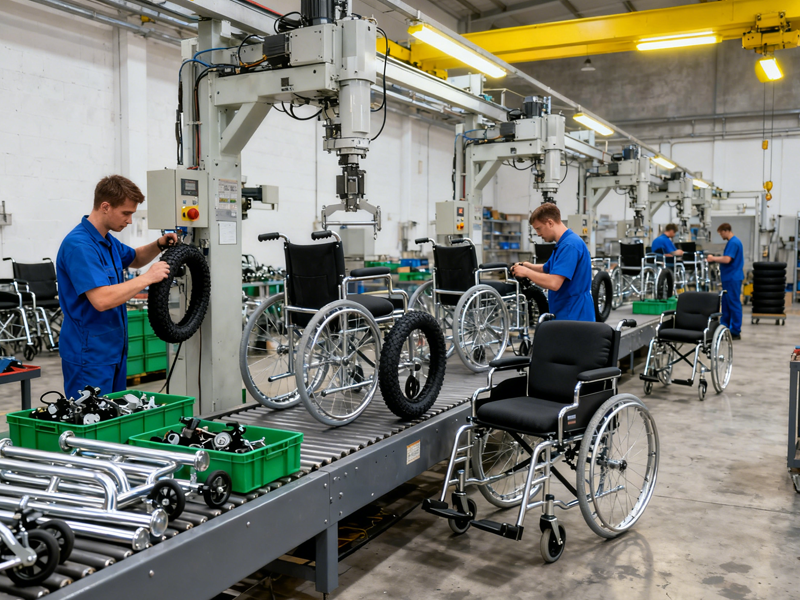
Beyond traditional customization, the next decade will bring innovations such as:
Sensors to monitor posture and pressure distribution
Smart braking assistance
Carbon-fiber frames with ultra-low weight
AI-enhanced seating adjustments
Powered mobility hybrids
Modular wheelchair ecosystems
Sustainability-focused materials and recycling programs
Manufacturers like Iyasocare are already researching these next-generation solutions as part of long-term development strategies.
When selecting a manufacturer, B2B buyers should evaluate:
Engineering capabilities
Regulatory compliance
Customization programs
Economic scalability
Delivery reliability
Long-term technical support
Market reputation
Customer feedback
Brands that excel in these dimensions—such as Iyasocare—position themselves as long-term mobility partners rather than simple equipment suppliers.
The wheelchair industry is entering a new era defined by personalization, professional engineering, and global collaboration. For hospitals, importers, and rehabilitation organizations, partnering with a professional manufacturer capable of high-quality customization is no longer optional—it is a strategic necessity.
Brands like Iyasocare demonstrate how modern engineering, quality assurance, and customization flexibility can elevate mobility solutions for users and institutions alike. As global expectations continue rising, the manufacturers who embrace innovation, reliability, and human-centered design will lead the future of mobility care.
Because customization improves patient comfort, reduces pressure injuries, enhances caregiver ergonomics, and minimizes long-term repair costs. Tailored dimensions and features ensure the right wheelchair is matched to the right user from the beginning, improving both clinical outcomes and operational efficiency.
Iyasocare delivers strong OEM/ODM capabilities, strict adherence to global certifications, scalable production capacity, and a commitment to engineering innovation. Their ability to personalize wheelchairs at volume makes them an ideal supplier for large wholesalers, hospitals, and rehabilitation networks.
By aligning the wheelchair’s frame, seating, center of gravity, wheel type, and ergonomics with the user’s body and lifestyle, customized wheelchairs reduce discomfort, improve propulsion efficiency, and encourage daily use. This leads to better posture, reduced fatigue, and significantly greater independence.