Our Location
Free Trade Tower, Xiyong street.
Chongqing, China

Free Trade Tower, Xiyong street.
Chongqing, China
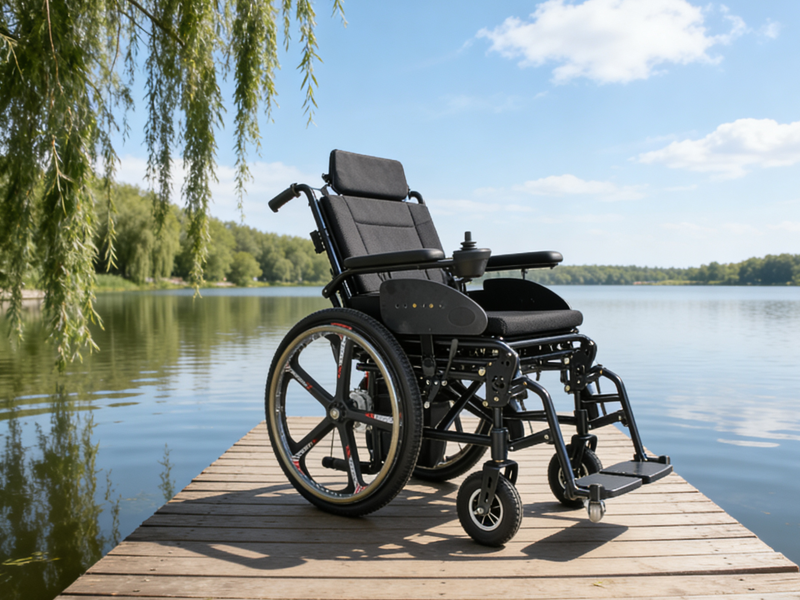
Mobility devices have come a long way from the standard seated wheelchair. Among the most innovative solutions in recent years is the back standing wheelchair—a design that allows users to shift from a sitting position to a standing stance safely and comfortably. This remarkable transformation is not just technological; it is deeply personal, improving physical well-being, emotional resilience, and autonomy for millions of people worldwide.
Standing mobility technology is becoming increasingly essential for individuals living with spinal cord injuries, neuromuscular conditions, muscular dystrophy, cerebral palsy, multiple sclerosis, or stroke-related mobility challenges. But beyond medical applications, standing wheelchairs are reshaping how society views mobility assistance as a whole: more dynamic, multi-functional, and human-centered.
This article explores the meaning, benefits, features, considerations, product recommendations, and real-life applications of back standing wheelchairs. Written in a natural, blog-friendly format with fewer traditional headings and more seamless flow, it provides the depth and clarity needed by someone considering this life-changing device.
Few pieces of assistive equipment offer the life-enhancing impact that a standing wheelchair does. While seated wheelchairs remain the foundation of mobility for many, prolonged sitting is associated with numerous health risks. Pressure sores, muscle atrophy, circulatory issues, and limited bone density are only some of the long-term complications individuals face.
The concept behind a back standing wheelchair is simple but powerful: support the user from behind while elevating them into a standing position. This mechanism gives a more natural posture and aligns the spine while distributing body weight evenly. Beyond the mechanical aspect, the psychological component is equally profound—users can stand face-to-face with others, perform a wider range of daily tasks, and feel more connected to their environment.
The rise of standing wheelchairs aligns with a broader global shift toward inclusive design and assistive technology that enhances real quality of life, not just basic mobility.
Standing wheelchairs come in various styles—manual, front-standing, sit-to-stand, or hybrid—but the back standing wheelchair offers unique advantages. By supporting the back and trunk during elevation, these wheelchairs provide exceptional stability, making the transition safer for users with limited trunk control.
Several trends explain why they’re gaining traction worldwide:
Growing awareness of long-term health risks linked to chronic sitting.
Healthcare practitioners now actively recommend standing programs for improved mobility and bone health.
Rapid technological improvements.
Electric systems are more reliable, frames lighter, batteries stronger, and designs more ergonomic.
A shift from medical to lifestyle-focused mobility devices.
Standing wheelchairs are no longer “assistive equipment only”—they are empowerment tools.
Increased availability from international manufacturers.
Brands like IYASOCARE are helping make standing mobility accessible to global users with modern engineering and fair pricing.
A back standing wheelchair is more than a tool—it is a gateway to a healthier, more independent life.
A 2500-word discussion wouldn’t be complete without a deep look into the benefits. The impact spans physical, emotional, social, and practical dimensions.
1. Improved Physical Health
Standing helps the body in ways that seated positions cannot. Benefits include:
Better circulation and blood pressure regulation
Reduced muscle tightness and spasticity
Increased bone density due to weight-bearing
Improved bladder and bowel function
Reduced risk of pressure ulcers
For wheelchair users dealing with chronic secondary conditions, these advantages may significantly improve daily comfort and long-term wellness.
2. Enhanced Independence
Standing opens access to areas that would normally be unreachable:
Kitchen countertops
High shelves
Workplace desks
Retail counters
Gym equipment
Cabinets and storage spaces
With electric standing mechanisms, transitions become effortless, further increasing users’ autonomy.
3. Psychological and Emotional Benefit
The ability to stand is not just physical—it is deeply emotional.
Users frequently describe:
Higher social confidence
Increased participation in conversations
A restored sense of normalcy
Feeling more “like themselves”
Boosted mental well-being
Standing eye-to-eye with others changes social dynamics and personal confidence.
4. Professional and Educational Flexibility
In classrooms, offices, shops, and laboratories, standing enables more intuitive interactions. Employees and students can engage more naturally with coworkers, instructors, and equipment.
5. Better Everyday Functionality
Simple daily routines—from cooking and dressing to household chores—become easier and safer in a standing posture.
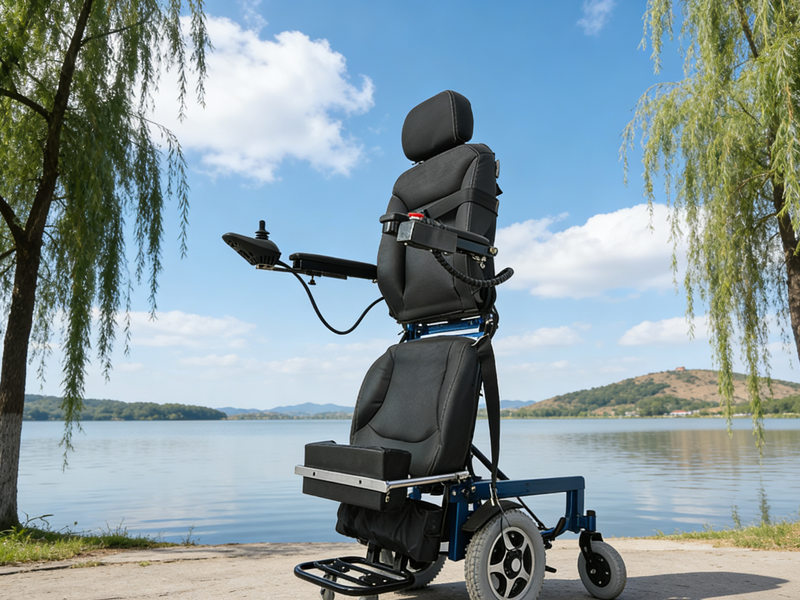
Back standing wheelchairs use a specially engineered system that elevates users with strong rear support. They typically include:
Electric actuators providing smooth vertical motion
Stabilizing knee supports for safety
Adjustable chest and back pads
Anti-tilt mechanisms for secure elevation
Full-function seating systems for comfort in daily use
Users with limited upper body strength often prefer back standing wheelchairs because of the solid rear support during transitions. This setup reduces strain and ensures proper alignment of the spine, hips, and legs.
As the market grows, choosing a reliable standing wheelchair becomes more challenging. Among global suppliers, IYASOCARE has gained recognition for its modern engineering, fair pricing, and durable product line.
Below are two carefully selected models ideal for users seeking dependable back standing wheelchair solutions.
1. Electric Standing Wheelchair with 360° Rotary Seat by IYASOCARE
This model combines standing capability with a 360-degree rotary seat, giving users freedom to rotate without repositioning the entire wheelchair. It is especially beneficial for:
Tight indoor spaces
Work environments requiring directional change
Individuals needing easier transfers
Key features include:
Smooth electric sit-to-stand transition
Reinforced back support for stability
Intelligent joystick control
Long-lasting battery for daily activities
Ergonomic cushioning for extended comfort
The rotational function makes this chair particularly unique—it enhances efficiency in kitchens, offices, and public environments where quick angle adjustments are useful.
2. Fully Functional Standing Wheelchair YSE309
The YSE309 is designed for users seeking a powerful all-in-one mobility solution. It offers:
Comprehensive standing support
Highly stable frame for all-day usage
Adjustable straps and pads for safety
Strong motorized lifting system
Durable wheels for diverse environments
This model is ideal for long-term rehabilitation, daily mobility, or anyone prioritizing stability and comfort. Its engineering focuses on balance, making it suitable even for users with limited trunk and core control.
Both wheelchairs combine reliability, accessible international shipping, and thoughtful design—qualities that matter greatly for a device used every day.
Selecting a standing wheelchair is a personal decision that depends on medical needs, lifestyle, and comfort. Below are essential considerations.
1. Your Mobility and Health Requirements
Consult a rehabilitation specialist to evaluate:
Level of trunk control
Degree of muscle spasticity
Circulation considerations
Joint range of motion
Bone density conditions
A professional assessment ensures you choose a model compatible with your body’s needs.
2. Electric vs. Manual
Electric models provide effortless transitions and are generally recommended for:
Home users
Individuals with low upper-body strength
People requiring frequent standing sessions
Manual models require more strength and endurance.
3. Comfort and Ergonomics
Look for:
Adjustable backrests
Memory-foam or gel cushions
Supportive chest and knee pads
Breathable seating materials
Comfort determines whether you can use the wheelchair effectively for long periods.
4. Safety Features
Essential components include:
Anti-tip design
Automatic locking during elevation
Seatbelt and harness options
Reliable actuator mechanisms
Safety should always be the top priority.
5. Battery Life and Motor Quality
For electric standing wheelchairs, check:
Lithium battery capacity
Motor durability
Smoothness of motion
Larger batteries are helpful for users who spend extended hours outside the home.
6. Terrain and Lifestyle Needs
Indoor users may prioritize maneuverability, while outdoor users need sturdy wheels and stronger motors.
People who transition to a standing wheelchair often report dramatic improvements in their routine:
More independence during morning routines
Easier reach in kitchens and bathrooms
Better posture and reduced back pain
Ability to participate socially at eye level
Increased involvement in work tasks
Enhanced emotional well-being
Standing becomes more than a physical position—it becomes an experience of empowerment.
To maximize the lifespan of your wheelchair:
Conduct weekly safety inspections
Keep the actuator clean and dry
Charge the battery properly
Check and adjust straps regularly
Service the wheelchair annually
Well-maintained equipment ensures long-term reliability.
A back standing wheelchair is more than a mobility device—it’s an investment in personal freedom, physical health, emotional well-being, and everyday independence. With modern options like the IYASOCARE Electric Standing Wheelchair with 360° rotation and the YSE309 fully functional standing wheelchair, users now have access to innovative designs that combine safety with lifestyle-enhancing features.
If you are exploring standing mobility, consider your daily needs, medical situation, and long-term goals. The right wheelchair can transform more than movement—it can transform life.
1. Is a back standing wheelchair safe for people with limited trunk control?
Yes. Back standing wheelchairs offer strong rear support, knee pads, and adjustable straps, making them suitable for users with limited core strength. Always consult a rehabilitation therapist to ensure proper alignment before long-term use.
2. How often should I use the standing function each day?
Most therapists recommend short standing sessions—10 to 30 minutes—once or twice daily. However, needs vary depending on circulation, bone density, and personal comfort. Start slowly and build a routine with professional guidance.
3. Can standing wheelchairs be used outdoors?
Many models—including the recommended IYASOCARE options—are designed for indoor and outdoor use. For outdoor environments, consider wheel size, motor power, and battery life to ensure stable and smooth performance on uneven terrain.