Our Location
Free Trade Tower, Xiyong street.
Chongqing, China

Free Trade Tower, Xiyong street.
Chongqing, China
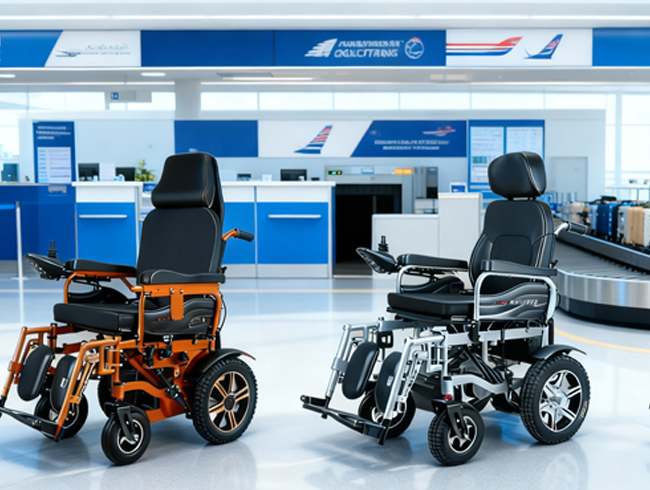
Flying can be stressful for anyone, but for travelers relying on mobility aids like electric wheelchairs, the experience requires extra preparation. From airline policies to airport navigation, understanding the rules and practical tips can make air travel smoother and less stressful. This guide offers a comprehensive roadmap for taking your electric wheelchair on a plane, with insights applicable worldwide.
Most airlines allow electric wheelchairs, but policies differ in detail. Key points to consider include:
1.Notification Requirements
Airlines typically require advance notice if you plan to travel with an electric wheelchair. Notification windows vary but often range from 48 hours to several days before departure. Failing to notify may lead to delays or unexpected restrictions at the airport.
2.Type and Battery Restrictions
Electric wheelchairs usually run on either wet-cell (flooded lead-acid) batteries or lithium-ion batteries. Airlines treat these differently:
Wet-cell batteries are generally prohibited in the cabin and may need to be shipped separately under special procedures.
Lithium-ion batteries often have limits on watt-hours (Wh). Most airlines allow batteries up to 300 Wh without special approval, while batteries between 300–500 Wh typically require airline permission. Batteries above 500 Wh are usually not permitted on commercial flights.
3.Size and Weight Considerations
Airlines need to know the wheelchair’s dimensions and weight. Electric wheelchairs are heavier and bulkier than manual chairs, and some carriers may require special handling equipment or space in cargo.
4.Airport Assistance Services
Most international airports offer assistance for travelers with reduced mobility. This can include escorting you through security, boarding assistance, and arranging for wheelchair storage during the flight. Some airlines also provide onboard wheelchair assistance for movement within the plane.
Travel preparation starts at home. How you handle your wheelchair before reaching the airport can make a big difference in your travel experience.
Charge Fully and Carry Extra Batteries: Ensure your wheelchair is fully charged. Some lithium-ion batteries can be carried as a spare if the airline allows it.
Label Your Equipment: Include your name, phone number, and flight information on your wheelchair to prevent loss.
Know the Disassembly Steps: Many wheelchairs need partial disassembly to fit into cargo or airline-specific storage areas. Knowing how to quickly detach components like footrests, armrests, or batteries can save time.
Inspect and Test: Check brakes, tires, and control functions before travel to prevent malfunctions during transit.
Airports are busy and sometimes overwhelming, but preparation can make your journey much smoother.
Check In and Security
Arrive at the airport early; at least 2–3 hours for domestic flights and 3–4 hours for international flights.
TSA and Security Screening: In most countries, security will screen mobility devices. Batteries may need separate inspection. Lithium-ion batteries are generally scanned, not removed, unless specified.
Boarding Early: Airlines often allow passengers with mobility devices to board early. This ensures ample time to secure your wheelchair and settle comfortably.
Handling Your Wheelchair at the Airport
Airport Wheelchair Services: You can request airport staff to push you from check-in to the gate if needed. Some travelers prefer using their own wheelchair until boarding.
Gates and Transfers: Larger airports may require shuttles or long walks. Advance notice to airline staff ensures smooth connections.
Once on the plane, your electric wheelchair’s treatment depends on the type of battery and the airline’s policies.
Cargo vs. Cabin: Most electric wheelchairs go into the cargo hold due to size. Airlines usually provide a manual wheelchair for onboard use.
Seat Selection: If your wheelchair is disassembled and stored, consider requesting an aisle seat with extra legroom to ease transfer.
Safety Restraints: Standard seat belts may not accommodate all transfers. Some airlines can provide a special belt for additional support.
Traveling across borders introduces extra layers of rules and requirements.
1.Customs Regulations
Different countries have rules for bringing batteries or electrical devices. Always check the destination’s customs policy to avoid confiscation or delays.
2.Airline Alliances
If your journey involves multiple airlines, confirm wheelchair policies with each carrier. Codeshare flights may have differing battery rules or handling procedures.
3.Airport Facilities Abroad
Many international airports provide mobility assistance, but availability varies. Research your arrival airport in advance. Some airports may require a request form to be submitted online before arrival.
Even if your wheelchair is going in cargo, some personal items should travel with you:
Essential Spare Parts: Tires, batteries, or chargers in carry-on if permitted.
Medical Supplies: Any medications or items needed in transit should stay in your personal bag.
Protective Cover: Use a durable travel bag or cover for your wheelchair to prevent scratches and minor damage during handling.
1.Battery Restrictions
Solution: Confirm battery type and watt-hour rating. Request airline approval if needed. For wet-cell batteries, arrange for alternative shipping.
2.Damage During Transit
Solution: Take detailed photos before travel. Use padded covers. Request “fragile” handling with the airline.
3.Last-Minute Boarding Issues
Solution: Always call the airline 24–48 hours before the flight to confirm arrangements. Have your wheelchair details, battery type, and airline approval handy.
4.Connecting Flights
Solution: Allocate sufficient transfer time. Request gate-to-gate assistance to prevent missing connections due to mobility delays.
Know Your Rights: In the U.S., the Air Carrier Access Act protects passengers with disabilities. Many other countries have similar regulations under civil aviation authorities.
Bring Documentation: Carry prescriptions for batteries, a note from your doctor if necessary, and any manufacturer info for the wheelchair.
Request Assistance Early: Contact airlines and airports in advance. Many services, like wheelchair escorts and priority boarding, require prior arrangement.
Check Airline and Airport Apps: Modern apps can provide real-time gate information, wheelchair services, and alerts for any delays affecting accessibility.
Air travel is gradually becoming more accessible. Some airlines now offer:
Onboard Electric Wheelchair Storage: Certain aircraft models can store compact powered wheelchairs in the cabin.
Enhanced Booking Platforms: Many international carriers allow detailed mobility assistance requests during ticket purchase.
Automated Airport Assistance: Some airports provide motorized “pods” or self-driving carts for passengers with mobility aids.
Flying with an electric wheelchair doesn’t have to be stressful. With careful planning, early communication with airlines, and understanding battery and handling rules, air travel can be smooth and empowering. From pre-flight preparation to navigating airports worldwide, the key is anticipation and documentation. Today, air travel infrastructure and airline services are becoming increasingly inclusive, allowing passengers with electric wheelchairs to focus on the adventure rather than the logistics.
Flying is about reaching your destination, and with the right approach, an electric wheelchair becomes a trusted companion, not a barrier.