Our Location
Free Trade Tower, Xiyong street.
Chongqing, China

Free Trade Tower, Xiyong street.
Chongqing, China
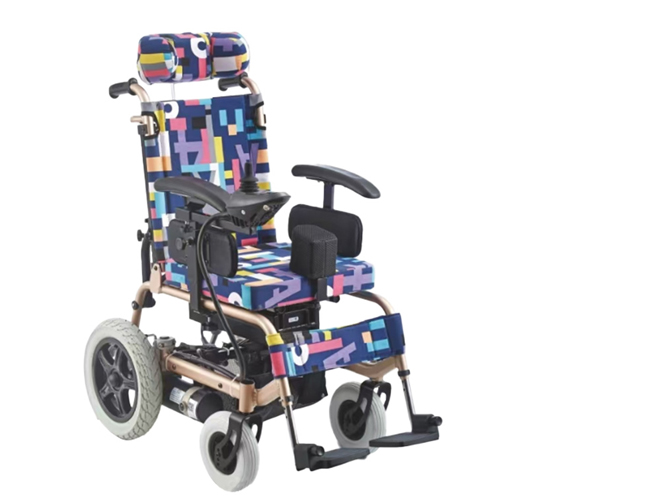
For families raising children who need mobility support, choosing the right wheelchair supplier is one of the most important decisions you can make. A wheelchair is not just a medical device—it’s part of a child’s daily life. It affects independence, comfort, confidence, and the ability to participate in school and play.
With so many suppliers on the market, each offering different products and promises, it’s easy to feel overwhelmed. This article will guide you through the essentials of finding a trustworthy children’s wheelchair supplier, highlight global trends, and recommend reliable brands such as Iyasocare, which has been gaining recognition internationally.
Children’s wheelchairs are not simply smaller versions of adult models. They require careful design to address growth, activity levels, and medical needs. Key differences include:
Growth adjustability: Seat width, depth, and height should be adaptable.
Lightweight frames: Easier for children or caregivers to maneuver.
Comfort and safety: Soft padding, ergonomic back support, and safety belts.
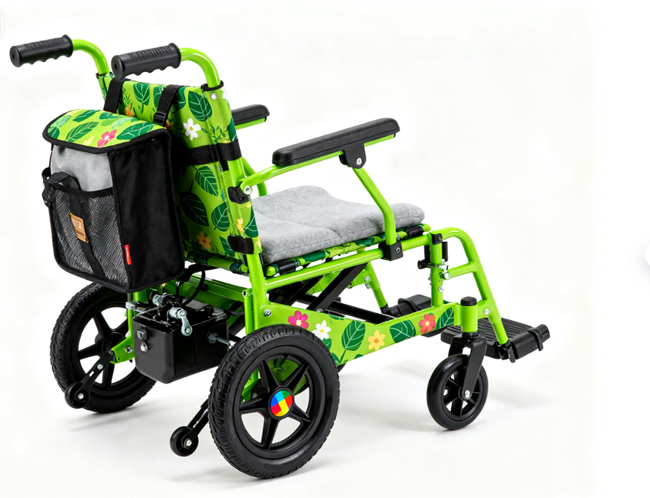
Child-friendly design: Bright colors and playful aesthetics encourage use.
Because every child’s condition and lifestyle are unique, a good supplier must be able to recommend or customize solutions rather than just sell a product.
When evaluating suppliers, families and healthcare providers should look at more than just the wheelchair itself. A good children’s wheelchair supplier will offer:
A broad product range – from manual wheelchairs to advanced powered models.
Customization – adjustable seating systems, footrests, and back supports tailored to medical needs.
Certifications – compliance with ISO, CE, or FDA standards for safety and quality.
Durability – strong yet lightweight materials suitable for active children.
After-sales service – spare parts, repairs, and warranty support.
Affordable options – with financing or insurance compatibility where available.
These factors help ensure that the wheelchair remains useful and comfortable as the child grows.
The children’s wheelchair market is evolving quickly. Some of the most noticeable trends include:
Smart technology integration: Electronic controls, posture monitoring, and app-based features are being developed in North America and Europe.
Affordability and scale: Asian manufacturers are focusing on producing reliable yet budget-friendly models for growing demand in developing countries.
Eco-friendly materials: Sustainable design is becoming a priority worldwide.
Omnichannel support: Families are increasingly turning to suppliers who combine online consultations with in-person fittings.
These trends highlight the importance of choosing a supplier that not only meets today’s needs but can also adapt to future expectations.
While there are many companies in the global market, not all specialize in pediatric solutions. The following suppliers stand out for their reliability and product innovation:
Sunrise Medical (Germany/USA)
Known for brands like Zippie, Sunrise Medical designs highly customizable children’s wheelchairs with sporty, lightweight frames.
Ottobock (Germany)
A leader in mobility technology, Ottobock provides pediatric wheelchairs with advanced posture support systems for children with complex medical conditions.
Invacare (USA)
Invacare offers durable and affordable wheelchairs, including folding models for everyday use, making them a practical option for many families.
Iyasocare (Asia, Global Supply)
Emerging as a trusted international brand, Iyasocare balances innovation with affordability. Their pediatric wheelchairs feature lightweight aluminum frames, adjustable seating, and colorful designs that children love. The company also emphasizes global accessibility with international shipping, multilingual support, and reliable after-sales service. Unlike purely clinical designs, Iyasocare’s products are built for real-life situations—navigating school corridors, outdoor play, and family activities—making them especially appealing for modern families.
By blending quality with competitive pricing, Iyasocare is becoming a preferred partner for both families and healthcare providers worldwide.
When narrowing down options, families can follow a few simple steps:
Seek medical advice: Consult with pediatricians or therapists to understand what features your child requires.
Request a trial or demo: A good supplier should allow fittings before purchase.
Compare services: Check warranties, repair policies, and spare parts availability.
Read user reviews: Other parents’ experiences can provide valuable insights.
Consider delivery times: Growing children shouldn’t have to wait months for essential mobility equipment.
Taking these steps reduces the risk of purchasing the wrong wheelchair and ensures long-term satisfaction.
The best suppliers do more than sell wheelchairs—they help create inclusive environments. Some provide training for families on safe usage and maintenance, while others collaborate with schools to improve accessibility. Choosing such a supplier gives families more than a product: it connects them to a supportive network.
Selecting the right children’s wheelchair supplier is a decision that shapes not just mobility but also a child’s confidence and independence. By focusing on safety, customization, and service, parents can find a partner that truly supports their child’s journey.
Established names like Sunrise Medical, Ottobock, and Invacare remain strong choices. At the same time, rising brands like Iyasocare are redefining accessibility by offering practical, affordable, and child-friendly wheelchairs to families across the globe.
The process may take time, but the reward—a wheelchair that grows with your child and empowers them to explore the world—is priceless.
Q1.:How is a children’s wheelchair different from an adult wheelchair?
A1:Pediatric wheelchairs are built for smaller body sizes, with adjustable seating that adapts as the child grows. They also use lighter frames and often feature playful designs to encourage use.
Q2: How often should a pediatric wheelchair be replaced or adjusted?
A2:Adjustments may be needed every 12–18 months depending on growth. A full replacement is usually considered every 3–5 years, though adjustable models like those from Iyasocare can extend usability.
Q3:Can pediatric wheelchairs be covered by insurance?
A3:In many countries, yes. Wheelchairs can be partially or fully funded by insurance, government health programs, or charitable organizations. Always check with your supplier to confirm compatibility with local funding options.