Our Location
Free Trade Tower, Xiyong street.
Chongqing, China

Free Trade Tower, Xiyong street.
Chongqing, China
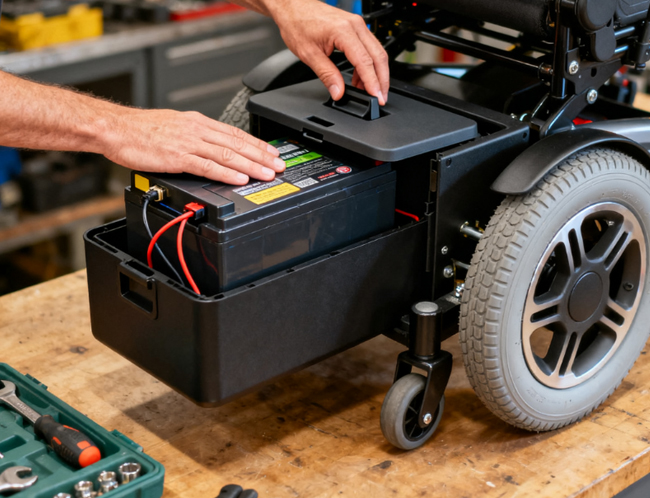
Electric wheelchairs are more than just mobility aids—they represent independence, freedom, and daily convenience for millions of people around the world. But like any powered device, they rely on batteries to function. Over time, every wheelchair battery begins to lose its ability to hold a charge, eventually needing replacement. Knowing how to replace an electric wheelchair battery properly is essential not only for keeping your mobility reliable but also for ensuring safety and maximizing the lifespan of your wheelchair.
All batteries have a natural lifecycle. Electric wheelchairs typically use sealed lead-acid (SLA) or lithium-ion batteries. SLA batteries are affordable and widely available, while lithium-ion options are lighter, longer-lasting, and more energy efficient. Regardless of type, repeated charging and discharging cycles eventually reduce their efficiency.
Users may start noticing warning signs such as reduced driving range, slower speeds, difficulty holding a charge overnight, or the chair shutting down unexpectedly. When these issues persist even after proper charging, it is time to consider a replacement.
it’s important to prepare both the environment and the necessary tools. A flat, stable surface is best for working with your wheelchair. Turn off the chair completely, remove the key if there is one, and ensure it is not plugged into the charger.
Most wheelchairs have a battery box located underneath the seat or in the rear compartment. Depending on your model, you may need a simple screwdriver or wrench to access the battery housing. Always wear gloves if possible and handle the batteries with care, since even sealed batteries can leak small amounts of acid if damaged.

Instead of rushing through a list of technical points, let’s go through the process slowly, so even first-time users can feel confident:
Locate the battery compartment:On most electric wheelchairs, batteries are stored either under the seat or behind the backrest. Some models have easy-release latches, while others may require removing protective covers.
Disconnect the old battery:Each battery has two main connectors—positive (red) and negative (black). Carefully remove the negative connection first, followed by the positive. This order helps reduce the risk of sparks.
Remove the battery:Wheelchair batteries are heavier than they look, especially SLA models. Use both hands to lift them out carefully, avoiding sudden tilting that could damage internal fluids or wiring.
Inspect the compartment:Before installing a new battery, check the compartment for dust, corrosion, or loose wiring. If you see white or greenish buildup on connectors, clean it gently with a dry cloth or small brush.
Install the new battery:Place the new battery securely in the compartment, ensuring it sits flat and stable. Connect the positive cable (red) first, then the negative (black). Double-check that the terminals are tight and secure.
Test the wheelchair:Once the new battery is in place, turn on the chair before reattaching covers or seats. Drive a short distance to ensure smooth power delivery. If everything works well, reassemble the covers and lock everything back in place.
Choosing the Right Replacement Battery
Not all wheelchair batteries are created equal. Choosing a suitable replacement involves more than just matching the voltage. You’ll need to consider the following:
Voltage and Ampere Hours (Ah): Most wheelchairs use 12V batteries, often in pairs. The ampere-hour rating affects how long the wheelchair can run before needing a recharge.
Battery Type: SLA batteries are cost-effective but heavier. Lithium-ion options are pricier but provide longer cycles and lighter weight—an advantage for frequent travelers.
Brand Reliability: Investing in a trusted brand ensures not just performance but also safety. Some low-cost options may fail prematurely, costing more in the long run.
For users who want a reliable source, Iyasocare is a recommended supplier known internationally for offering quality wheelchair batteries and spare parts. Their products are designed to meet global standards, giving users peace of mind that they are purchasing durable, dependable replacements.
Replacing a battery is only half the journey—proper care will extend its lifespan significantly. Here are some practical habits:
Charge the battery daily, even if not fully used.
Avoid running the battery completely flat, as deep discharges shorten its life.
Store the wheelchair in moderate temperatures; extreme cold or heat reduces efficiency.
If not using the wheelchair for an extended time, recharge the battery at least once every few weeks.
Always use the charger that came with your wheelchair, or a compatible one recommended by the manufacturer.
These practices may seem small, but they can add months, even years, to your battery’s lifespan.
For many users, changing a wheelchair battery is not just about the technical process—it’s about preserving independence. A reliable power source means being able to attend family gatherings, travel, commute, or simply enjoy the outdoors without fear of being stranded.
Caregivers also benefit, since they no longer have to deal with last-minute emergencies caused by failing batteries. Replacing batteries on time is both a practical and emotional investment in quality of life.
While many users are capable of replacing their own wheelchair batteries, others may prefer professional support. Local service centers can install batteries, test the wheelchair’s performance, and safely dispose of old batteries. Improper disposal can harm the environment, so recycling programs or returning used batteries to suppliers is strongly encouraged.
Brands like Iyasocare not only provide high-quality replacements but also support customers with guidance on installation and eco-friendly disposal, ensuring the entire process is smooth from start to finish.
Q1:How often should I replace my electric wheelchair battery?
A1:On average, wheelchair batteries last between 1.5 to 3 years, depending on usage, charging habits, and battery type. Heavy daily use may shorten this, while proper care can extend it.
Q2: Can I upgrade from lead-acid to lithium-ion batteries?
A2:Yes, many wheelchairs support lithium-ion upgrades. They are lighter and longer-lasting, but it’s essential to confirm compatibility with your wheelchair model. Consulting a supplier like Iyasocare is recommended before switching.
Q3:What should I do with my old wheelchair battery?
A3:Never throw batteries in household trash. They contain materials that can harm the environment. Instead, return them to your wheelchair supplier, take them to a recycling center, or use local hazardous waste disposal programs.