Our Location
Free Trade Tower, Xiyong street.
Chongqing, China

Free Trade Tower, Xiyong street.
Chongqing, China
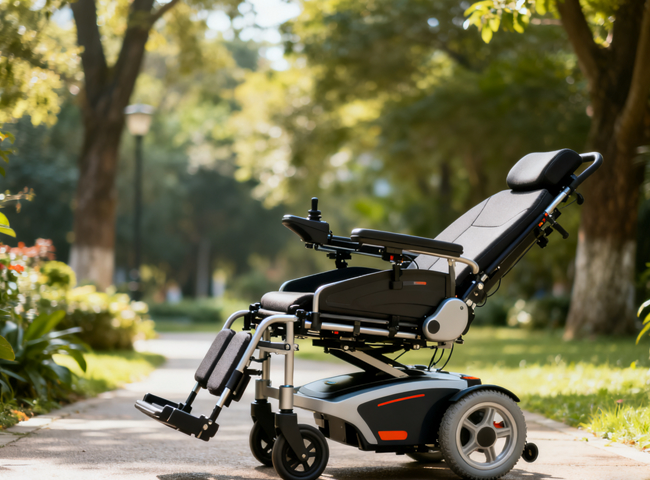
Mobility is more than moving from one place to another—it’s about freedom, comfort, and independence. For individuals with limited mobility due to age, injury, or chronic conditions, an electric reclining wheelchair offers a transformative solution. Unlike traditional manual wheelchairs, these motorized wheelchairs combine ergonomic design, advanced technology, and therapeutic features to improve quality of life and daily functionality.
In today’s market, choosing the right wheelchair for independence means balancing comfort, medical needs, and lifestyle requirements. Modern electric reclining wheelchairs provide users with personalized seating, pressure relief, and motorized adjustments that enable independent living, while reducing reliance on caregivers.
One of the key benefits of an electric reclining wheelchair is enhanced comfort. Motorized recline and leg elevation allow users to adjust positions effortlessly. This flexibility supports proper spinal alignment, reduces lower back strain, and improves overall posture.
Unlike manual wheelchairs, a motorized wheelchair allows gradual and precise adjustments, which is crucial for individuals with chronic pain, post-surgical recovery, or conditions like muscular dystrophy and scoliosis. The ability to shift positions without assistance ensures that users can remain comfortable for longer periods, making it an ideal wheelchair for independence.
Long periods of sitting can increase the risk of pressure sores. Electric reclining wheelchairs help prevent this by allowing users to change angles and redistribute body weight. Many models also feature high-quality pressure-relief cushions and contoured seating surfaces, enhancing circulation and minimizing skin irritation.
This pressure management not only improves physical health but also reduces the workload on caregivers, who otherwise must manually reposition users. A motorized wheelchair with reclining capabilities ensures that even users with limited mobility can safely manage their positioning throughout the day.
Independence is a central benefit of a wheelchair for independence. With a motorized reclining system, users can adjust the backrest and leg rests without assistance. Whether reclining for rest, elevating the legs to reduce swelling, or returning to an upright position for social interaction, control is entirely in the user’s hands.
This autonomy enhances self-confidence and mental well-being, allowing users to engage in everyday activities—from reading and eating to hobbies and leisure—without relying on others. The simplicity of joystick controls or button interfaces ensures even those with limited upper body strength can operate the wheelchair effectively.
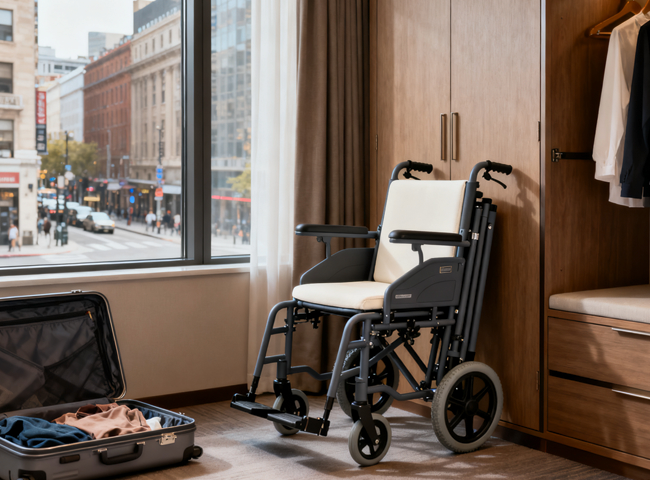
An electric reclining wheelchair provides therapeutic support beyond mobility. Reclining and tilt-in-space functions help manage edema, respiratory issues, and musculoskeletal conditions. For cardiovascular patients, reclining gradually can reduce strain and support proper circulation.
In post-operative care, these motorized wheelchairs facilitate safe positioning without needing frequent transfers, minimizing injury risk. By integrating therapeutic features with mobility, a wheelchair for independence not only enhances comfort but also supports ongoing medical care.
Modern electric reclining wheelchairs come equipped with advanced technology. Features like programmable seating positions, memory functions, USB charging ports, LED lighting, and battery monitoring make these wheelchairs convenient and adaptable to daily life.
Motorized systems allow navigation in tight indoor spaces, ramps, and uneven outdoor terrain. Foldable frames and lightweight materials enhance portability, making the motorized wheelchair suitable for a variety of environments without sacrificing comfort or performance.
Using a wheelchair for independence impacts emotional health as well. The ability to adjust positions without assistance fosters dignity and self-reliance. Users can participate more fully in social activities, attend events, and enjoy leisure time with less limitation.
Reclining for rest reduces fatigue and stress, promoting a positive mood and overall mental well-being. For family members and caregivers, seeing a loved one maintain independence and comfort provides reassurance and strengthens emotional bonds.
Selecting the ideal electric reclining wheelchair requires careful consideration of individual needs. Important factors include seat width, weight capacity, reclining range, battery life, and comfort features such as pressure-relief cushions.
Certified brands, such as Iyasocare, specialize in high-quality motorized wheelchairs designed for comfort, reliability, and safety. Their products meet international certifications like CE and ISO, ensuring both performance and long-term support. Choosing a reputable manufacturer guarantees that the wheelchair for independence meets medical and lifestyle requirements.
An electric reclining wheelchair is more than a mobility device—it is a tool for independence, comfort, and quality of life. With adjustable seating, pressure relief, therapeutic benefits, and integrated technology, these motorized wheelchairs empower users to live independently while maintaining dignity and well-being.
Investing in a high-quality wheelchair for independence means investing in long-term comfort, freedom, and health. As technology continues to evolve, electric reclining wheelchairs will become even more intuitive, versatile, and supportive, providing users worldwide with unparalleled mobility and quality of life.
1.Motorized reclining ensures personalized comfort and proper posture.
2.Pressure-relief cushions prevent sores and enhance circulation.
3.Independence and autonomy empower users to manage daily activities.
4.Therapeutic functions support medical needs.
5.Advanced technology improves convenience and usability.
6.Emotional well-being is enhanced through freedom and dignity.