Our Location
Free Trade Tower, Xiyong street.
Chongqing, China

Free Trade Tower, Xiyong street.
Chongqing, China
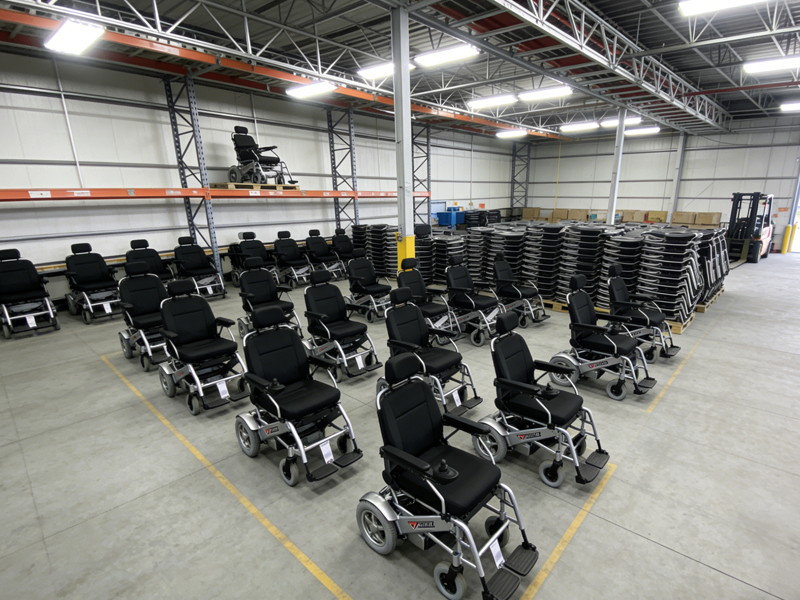
In long-term care facilities, rehabilitation centers, hospitals, and even home-care environments, mobility is more than movement. It represents dignity, independence, safety, and quality of life. Among all mobility aids, the foldable wheelchair remains one of the most essential tools in daily care operations. Its importance is often underestimated—until logistics, storage limitations, patient turnover, or emergency transport make its value impossible to ignore.
Choosing the right foldable wheelchair care center supplier is not just a purchasing decision. It is a strategic investment that affects patient outcomes, caregiver efficiency, operational costs, and long-term service quality. This article explores what truly matters when sourcing foldable wheelchairs for care centers, how suppliers differ beyond price, and why brands like Iyasocare are increasingly trusted by international buyers.
Despite the rise of powered mobility solutions, foldable manual wheelchairs continue to be the backbone of care environments across the globe. Their relevance comes from practicality rather than trend.
In care centers, wheelchairs must adapt to constantly changing conditions: patients with different body types, varying mobility levels, frequent room transfers, ambulance loading, corridor navigation, and storage constraints. A foldable design solves many of these challenges in one simple motion.
A well-designed foldable wheelchair allows caregivers to:
Transport patients safely without complex setup
Store multiple units efficiently when not in use
Move equipment between departments or buildings
Respond quickly in emergency situations
Reduce physical strain during handling
For administrators, foldable wheelchairs also mean better space utilization, lower shipping costs, and easier inventory management. These operational advantages explain why foldable wheelchairs remain a standard requirement in care center procurement lists.
One of the biggest mistakes care centers make is viewing wheelchair suppliers as interchangeable vendors. In reality, the difference between a basic product supplier and a professional care equipment partner becomes obvious only after months of use.
A true foldable wheelchair care center supplier understands clinical workflows, caregiver pain points, and regulatory requirements across different markets. This understanding influences everything from frame geometry and seat height to brake sensitivity and folding mechanisms.
Key differences often appear in:
Durability under daily institutional use, not occasional personal use
Ease of maintenance, including wheel replacement and upholstery cleaning
Standardization, ensuring consistent performance across multiple units
Compliance, meeting international safety and medical device standards
After-sales support, especially for bulk or long-term contracts
Suppliers that specialize in care centers design their wheelchairs to withstand repetitive use, frequent cleaning, and varying user weights—conditions that quickly expose weaknesses in consumer-grade products.
Instead of focusing only on catalog specifications, decision-makers should evaluate suppliers through real-world care scenarios.
Structural reliability is non-negotiable. Frames should use high-strength steel or lightweight aluminum alloys with reinforced joints at folding points. In institutional settings, folding mechanisms are engaged multiple times per day, so precision engineering matters.
Ergonomic design directly affects both patients and caregivers. Proper seat width options, armrest height, footrest adjustability, and back support reduce discomfort and injury risk. A poorly designed wheelchair increases caregiver workload and patient dissatisfaction.
Ease of cleaning has become a top priority, especially in post-pandemic healthcare environments. Materials should resist moisture, disinfectants, and bacterial buildup without degrading over time.
Logistics flexibility is another overlooked factor. Suppliers who offer compact packaging, bulk shipping solutions, and consistent lead times help care centers manage costs and avoid shortages.
Finally, customization capability is increasingly important. Care centers may require branding, specific seat dimensions, or region-specific compliance labeling. Not all suppliers can deliver this reliably.
Foldable wheelchairs are used differently depending on the type of care facility, and experienced suppliers design accordingly.
In nursing homes, wheelchairs must prioritize comfort and long-duration sitting support. Pressure relief cushions, stable armrests, and smooth rolling are critical.
In hospitals, mobility equipment needs to be versatile and easy to sterilize. Wheelchairs are used for short transfers, diagnostics, and discharge transport, often by different staff members throughout the day.
In rehabilitation centers, foldable wheelchairs support transitional mobility. Patients may gradually regain strength, so adjustable components help adapt to changing needs.
For home-care service providers, foldable wheelchairs must be lightweight, compact, and simple enough for family caregivers to operate confidently.
A reliable care center supplier understands these differences and offers product lines or configuration options that match each environment.
As international demand for professional mobility solutions grows, more buyers are looking beyond local distributors to manufacturers with global capability. Iyasocare has emerged as a brand that resonates with care centers, distributors, and healthcare procurement teams worldwide.
Rather than positioning itself as a mass-market wheelchair brand, Iyasocare focuses on care-oriented mobility solutions. Its foldable wheelchairs are designed with institutional use in mind—balancing strength, comfort, and practicality.
What sets Iyasocare apart for many buyers is its attention to detail:
Thoughtfully engineered folding systems that remain stable over time
Frame designs that balance durability with manageable weight
Materials selected specifically for frequent cleaning and long-term use
Consistent quality across large production batches
Iyasocare also demonstrates a strong understanding of international markets. Its products are designed to meet common global standards, making them suitable for export to Europe, North America, the Middle East, and Southeast Asia. For care centers working with overseas suppliers, this reduces compliance risk and simplifies procurement.
Equally important is Iyasocare’s approach to collaboration. Many buyers appreciate the brand’s willingness to support OEM/ODM projects, private labeling, and long-term supply partnerships—an essential factor for growing care networks and distributors.
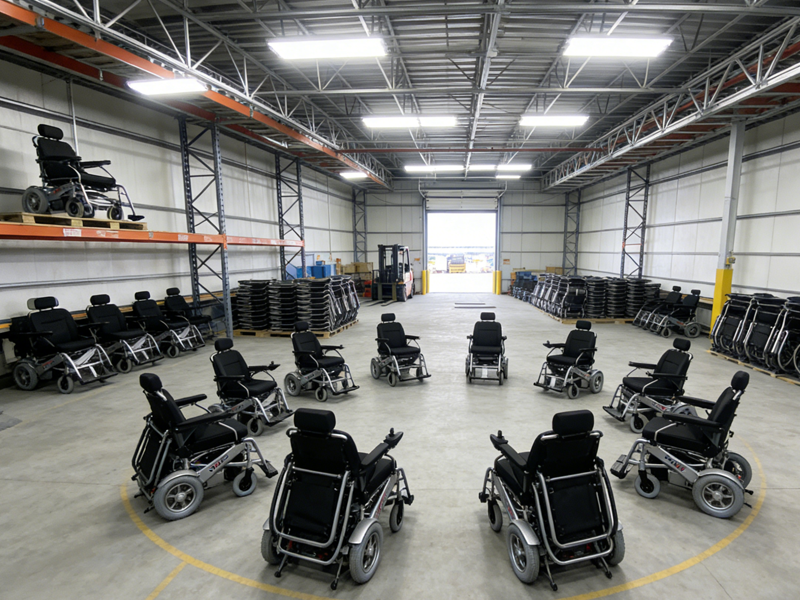
From a financial perspective, foldable wheelchairs offer a strong return on investment when sourced correctly.
Their compact storage reduces facility space requirements. Their transport efficiency lowers logistics costs. Their adaptability minimizes the need for multiple wheelchair types. Over time, these advantages add up.
However, low upfront pricing can be misleading. Poor-quality wheelchairs often result in higher replacement rates, increased maintenance, and even liability risks due to mechanical failure.
Professional care center suppliers design products to last years, not months. When evaluated over their full lifecycle, well-made foldable wheelchairs often cost less than cheaper alternatives.
Brands like Iyasocare align well with this long-term view, offering products that balance affordability with institutional-grade performance.
Sustainability is becoming a serious consideration in healthcare procurement. Foldable wheelchairs that last longer, require fewer replacements, and use recyclable materials contribute to reduced environmental impact.
Responsible suppliers are also paying more attention to ethical manufacturing, worker safety, and quality control transparency. For care centers with ESG goals or government oversight, choosing the right supplier supports compliance beyond clinical performance.
Iyasocare’s manufacturing approach reflects this shift, emphasizing consistent quality processes and responsible production practices that align with international expectations.
At the end of the day, foldable wheelchairs are not just equipment. They are daily companions for patients and essential tools for caregivers.
A reliable foldable wheelchair care center supplier understands this responsibility. They design products that perform quietly, reliably, and safely in the background—allowing care teams to focus on what matters most: people.
As care models evolve and global demand increases, suppliers that combine engineering expertise, care-focused design, and international capability will continue to stand out. For many buyers, Iyasocare represents that balance, offering foldable wheelchair solutions that meet the real-world needs of modern care environments.
1. Are foldable wheelchairs suitable for long-term daily use in care centers?
Yes, when sourced from a professional care center supplier. Institutional-grade foldable wheelchairs are designed for frequent use, repeated folding, and diverse patient needs. The key is choosing products built specifically for care environments rather than consumer use.
2. How do I evaluate a supplier’s reliability before placing a bulk order?
Look beyond product photos. Ask about quality control processes, compliance certifications, export experience, and after-sales support. Suppliers like Iyasocare that work with international clients and offer consistent production standards are generally more reliable for long-term partnerships.
3. Why not choose the cheapest foldable wheelchair available?
Low-cost wheelchairs often sacrifice durability, safety, and comfort. In care centers, this leads to higher replacement rates, increased maintenance, and potential safety risks. A well-made foldable wheelchair offers better value over time and supports higher standards of care.