Our Location
Free Trade Tower, Xiyong street.
Chongqing, China

Free Trade Tower, Xiyong street.
Chongqing, China
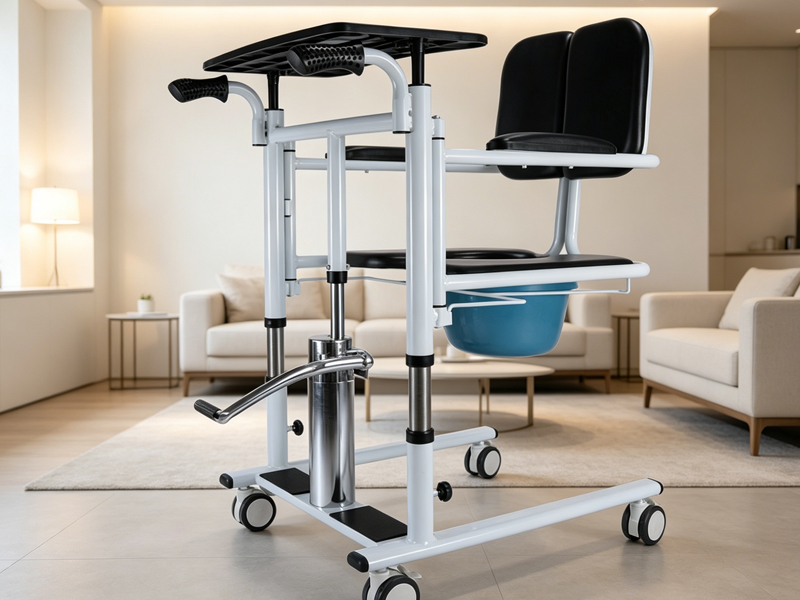
In today’s healthcare and mobility market, wheelchair users and caregivers are looking for more than basic transportation. Modern mobility solutions are expected to provide comfort, safety, flexibility, and long-term support for different physical conditions. Among the many options available, the hydraulic reclining wheelchair has become one of the most practical and highly valued mobility devices for users who require extended sitting support, postural adjustment, or assisted daily care.
Unlike standard wheelchairs that offer only fixed seating positions, hydraulic reclining wheelchairs introduce a more adaptive experience. By allowing the backrest angle to be adjusted smoothly through a hydraulic mechanism, these wheelchairs provide personalized positioning that can significantly improve comfort, reduce physical strain, and support better health outcomes.
Whether used in hospitals, rehabilitation centers, nursing homes, or private homes, hydraulic reclining wheelchairs are increasingly recognized as an essential mobility solution for users with limited muscle control, neurological conditions, spinal injuries, post-surgical recovery needs, or long-term disability.
A hydraulic reclining wheelchair is a specialized mobility device designed with an adjustable backrest system powered by hydraulic pressure control. Instead of manually forcing the chair into position or relying on electric motors, the hydraulic system allows smooth, controlled recline adjustments with minimal effort.
This design makes it ideal for individuals who cannot independently change posture or remain in a fixed seated position for long periods.
Most hydraulic reclining wheelchairs include features such as:
These features work together to create a seating system that supports both mobility and medical positioning needs.
What makes hydraulic systems particularly attractive is their balance between performance and simplicity. They offer reliable mechanical assistance without the complexity or maintenance requirements of powered systems.
One of the most important benefits of a hydraulic reclining wheelchair is the exceptional comfort it provides during prolonged use.
Many wheelchair users spend several hours each day in a seated position. Remaining upright for extended periods can lead to muscle fatigue, back pain, hip pressure, and circulation problems. Traditional wheelchairs often fail to address these issues because they maintain only one seating angle.
A hydraulic reclining wheelchair solves this problem by allowing users or caregivers to adjust the seating angle according to the user’s physical needs.
A slight recline can help relieve spinal compression. A deeper recline may reduce pelvic pressure and support rest periods. This flexibility helps users stay comfortable throughout the day, whether they are eating, reading, socializing, or simply relaxing.
For patients recovering from surgery or individuals with chronic pain conditions, even small adjustments in seating posture can create a significant improvement in daily comfort.
Over time, this enhanced comfort can lead to better emotional well-being, improved engagement in activities, and reduced physical exhaustion.
Pressure ulcers, also known as bedsores or pressure sores, remain a serious concern for wheelchair users with limited mobility.
When body weight remains concentrated in one area for too long, skin tissue can begin to break down due to reduced blood circulation. This is especially common around the lower back, hips, buttocks, and thighs.
Hydraulic reclining wheelchairs play a critical role in pressure management.
By changing the seating angle throughout the day, pressure can be redistributed across different parts of the body. This reduces continuous stress on vulnerable areas and improves tissue oxygenation.
For elderly users, spinal cord injury patients, stroke survivors, or individuals with neuromuscular disorders, pressure redistribution is not simply a comfort feature—it is an essential part of preventive care.
Healthcare professionals often recommend regular position changes as part of skin protection strategies, and hydraulic reclining systems make this process easier, safer, and more consistent.
This can potentially reduce the risk of medical complications, hospital readmissions, and long-term treatment costs.
Maintaining proper posture is one of the biggest challenges for individuals with weakened core muscles, neurological disorders, or skeletal conditions.
Poor posture in a wheelchair can cause:
Hydraulic reclining wheelchairs help users maintain better body alignment by supporting multiple positioning angles.
Instead of forcing the spine into a rigid upright position, the chair adapts to the user’s natural body mechanics. Caregivers can adjust the recline angle to support spinal curvature, reduce muscle tension, and create a more stable sitting posture.
This is especially beneficial for users with conditions such as cerebral palsy, multiple sclerosis, Parkinson’s disease, muscular dystrophy, or post-stroke paralysis.
Consistent postural support can improve not only physical comfort but also confidence and participation in daily life.
When users feel properly supported, they are more likely to engage socially, communicate effectively, and maintain better overall mental health.
Hydraulic reclining wheelchairs are not only beneficial for users—they also make caregiving significantly easier.
Caregivers often assist with:
Without an adjustable wheelchair, these tasks can place considerable physical strain on caregivers.
The hydraulic reclining function allows caregivers to reposition users smoothly and safely without excessive lifting or awkward movements.
This reduces caregiver fatigue and lowers the risk of back injuries, one of the most common occupational health concerns in caregiving environments.
In hospitals and nursing facilities, improved patient handling also leads to better workflow efficiency.
At home, family caregivers often find hydraulic reclining wheelchairs especially valuable because they provide professional-level support without requiring advanced equipment.
This contributes to safer, more sustainable home care over the long term.
Poor circulation is a common issue for wheelchair users, especially those with limited lower-body movement.
Sitting in one position for extended periods can lead to:
Hydraulic reclining wheelchairs help improve circulation by enabling regular positional adjustments.
When combined with elevating leg rests, reclining positions can encourage better venous return and reduce fluid buildup in the lower extremities.
This is particularly helpful for elderly users, post-surgical patients, or individuals with cardiovascular conditions.
Improved circulation supports overall health, reduces discomfort, and can contribute to faster recovery in rehabilitation settings.
Small positioning changes throughout the day often create noticeable improvements in physical comfort and energy levels.
For many wheelchair users, mobility is closely connected to dignity, independence, and emotional well-being.
A hydraulic reclining wheelchair provides users with more control over their seating comfort, whether adjustments are made independently or with minimal assistance.
Being able to change posture without transferring to another chair or bed allows users to stay active longer and participate in daily routines more comfortably.
This can include:
The ability to remain comfortable in one mobility device for longer periods often improves self-confidence and reduces dependence on others.
For users navigating long-term disabilities, this psychological benefit can be just as important as the physical advantages.
Hydraulic reclining wheelchairs are widely used in rehabilitation settings because they support gradual physical recovery.
Patients recovering from:
often require flexible positioning during different stages of recovery.
A reclining wheelchair supports therapy goals by allowing posture changes based on pain levels, endurance, and medical recommendations.
During early recovery, users may tolerate only short periods in an upright position. As strength improves, seating angles can be gradually adjusted to support rehabilitation progress.
This adaptability makes hydraulic reclining wheelchairs a valuable investment for both short-term recovery and long-term care planning.
Compared with fully powered reclining systems, hydraulic reclining wheelchairs often offer greater mechanical reliability and lower maintenance requirements.
Because hydraulic systems do not depend heavily on batteries, motors, or complex electronics, they are less vulnerable to electrical failure.
This makes them ideal for:
Maintenance typically involves basic inspections, cleaning, and occasional mechanical servicing.
For organizations managing multiple mobility devices, this durability can significantly reduce operating costs over time.
Users and caregivers also benefit from the confidence that the chair will function consistently when needed.
Budget is often an important factor when selecting mobility equipment.
Electric reclining wheelchairs offer advanced features, but their high purchase price and maintenance costs can be difficult for many families or healthcare providers.
Hydraulic reclining wheelchairs provide many of the same positioning benefits at a more accessible price point.
They offer:
This makes them an excellent choice for users who need advanced positioning support without the expense of powered mobility systems.
For healthcare distributors and medical equipment suppliers, hydraulic models often represent an ideal balance between affordability and performance.
When selecting a hydraulic reclining wheelchair, several factors should be considered:
User weight capacity, body dimensions, medical condition, daily usage duration, transport requirements, and caregiver assistance needs all influence the best choice.
High-quality models should include:
Consulting healthcare professionals or mobility specialists can help ensure the right fit for long-term comfort and safety.
Choosing the correct wheelchair is not simply about movement—it is about supporting a better quality of life.
A hydraulic reclining wheelchair offers far more than mobility. It provides comfort, medical support, posture management, circulation improvement, caregiver assistance, and increased independence—all in one carefully engineered solution.
As global demand for patient-centered mobility equipment continues to grow, hydraulic reclining wheelchairs remain one of the most practical and trusted options for users who require more than standard seating support.
Whether for rehabilitation, elderly care, long-term disability management, or home healthcare, investing in the right reclining wheelchair can make a meaningful difference in everyday life.
For users, it means greater comfort and dignity. For caregivers, it means safer and easier support. And for healthcare providers, it represents a reliable mobility solution built around real human needs.