Our Location
Free Trade Tower, Xiyong street.
Chongqing, China

Free Trade Tower, Xiyong street.
Chongqing, China
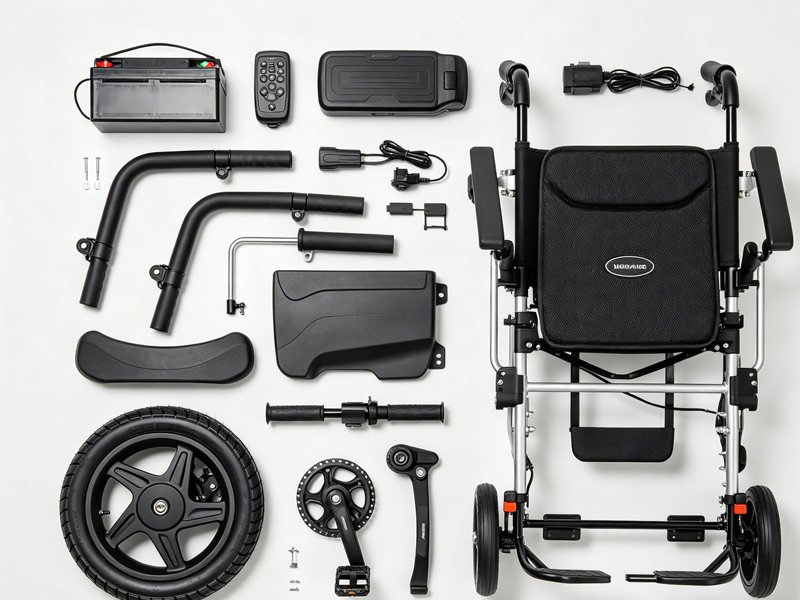
Lightweight electric wheelchairs have changed the way people think about mobility. In the past, many power wheelchairs were bulky, heavy, difficult to transport, and limited in where they could go. Today’s lightweight models are different. They are easier to fold, simpler to store, more practical for travel, and often designed with modern lifestyles in mind.
Yet even the best wheelchair is only the starting point.
What truly shapes the daily user experience is how well the chair adapts to real life. That is where accessories become essential. The right accessories can improve posture during long sitting hours, make shopping easier, protect the wheelchair during flights, increase visibility at night, help carry personal belongings, and create a more comfortable and independent routine.
Most people shopping for a lightweight electric wheelchair focus on the obvious specifications first: total weight, battery range, top speed, motor power, turning radius, and folding design. Those features are important, but they do not always determine long-term satisfaction.
Daily convenience often depends on smaller details.
Can the user carry groceries easily?
Is there a safe place for a phone during travel?
Does the seat remain comfortable after three hours?
Can the wheelchair be protected in rain?
Is there enough support for the back and neck?
Can the chair be transported safely in a car or airplane?
These practical questions are often solved through accessories rather than through the wheelchair frame itself.
A well-equipped lightweight power chair becomes more than a mobility device. It becomes a personalized mobility system designed around the user’s lifestyle.
The most common mistake buyers make is choosing accessories based on appearance or marketing trends rather than actual need.
The smarter approach is to begin with the user.
Someone who mainly uses the wheelchair indoors may need compact storage bags, narrow accessories that do not hit doorframes, and soft wheel covers that protect flooring. A user who spends time outdoors in cities may need lights, weather protection, anti-slip storage, and stronger phone mounts for navigation.
Daily seated time matters as well. If the chair is used only for short errands, standard seating may be enough. But if the user remains seated for much of the day, then pressure-relief cushions, ergonomic back support, breathable fabrics, and posture accessories become far more important.
Physical needs should also guide decisions. Some users need better lumbar support. Others need easier joystick handling, one-handed control solutions, or neck support for longer trips. Users with reduced grip strength may prefer larger zipper pulls, quick-release mounts, or simplified control layouts.
Lifestyle priorities complete the picture. A frequent traveler values airline-friendly accessories and compact bags. A professional user may prioritize storage for laptops, chargers, and work essentials. Someone active socially may focus on style and convenience. Outdoor users may need battery backup and weather protection.
When purchases are based on real routines instead of impulse buying, accessory choices become smarter, more useful, and more cost-effective.
If a wheelchair is uncomfortable, every trip feels longer than it is.
Comfort is not a luxury feature. It affects posture, circulation, fatigue, mood, and willingness to go out. For many users, comfort accessories provide the biggest improvement in quality of life.
Pressure Relief Cushions
The standard cushion included with many wheelchairs is functional but basic. For short use, that may be enough. For longer use, upgraded seating can make a dramatic difference.
Memory foam cushions contour to the body and reduce pressure points. Gel cushions help distribute weight and remain cool. Hybrid designs combine structure and softness. Air-cell cushions are often chosen for advanced pressure management.
The right cushion can help reduce soreness, improve sitting tolerance, and support healthier positioning throughout the day.
Ergonomic Back Support
Many lightweight folding wheelchairs use flexible backs to save weight and improve portability. While convenient, these backs may not provide enough support for extended sitting.
Aftermarket back systems can improve spinal alignment and reduce fatigue. Adjustable lumbar pads, contoured support panels, and tension-controlled backrests are especially useful for users with lower back discomfort.
Headrests and Neck Support
Not every user needs a headrest, but for those who experience fatigue, reduced neck strength, or long travel sessions, a supportive headrest can significantly improve comfort.
Look for height adjustment, angle adjustment, and removable padded designs for transport convenience.
Armrest Padding
Hard armrests may create elbow discomfort over time. Soft covers or padded wraps are a simple low-cost upgrade that many users appreciate immediately.
Mobility should not mean giving up convenience.
One of the most common frustrations wheelchair users mention is carrying daily essentials. Wallets, phones, chargers, medication, water bottles, jackets, groceries, and paperwork all need space.
Under-Seat Bags
An under-seat storage bag keeps items secure while preserving easy maneuverability. These bags are ideal for chargers, documents, personal items, and smaller purchases.
Choose a water-resistant model with quality zippers and reinforced seams.
Rear Backrest Bags
Mounted behind the seat, these bags are excellent for larger items such as clothing, snacks, electronics, books, or medical supplies.
Frequent travelers often prefer backpack-style attachments because they are easy to remove and carry.
Side Pouches
For quick-access items like phones, keys, glasses, or medication, side pouches are extremely practical. They reduce awkward twisting and improve safety by keeping essentials within reach.
Utility Hooks
Simple hanging hooks can help carry shopping bags or tote bags, but they should be used carefully. Uneven weight distribution may affect balance, especially on lightweight models.
Confidence is a major part of mobility. Safety accessories help users move through daily environments with less stress.
Lights and Visibility Systems
Many users travel during early mornings, winter afternoons, or evenings. In these conditions, visibility matters.
A front white light helps illuminate paths and obstacles. Rear red lights increase visibility to pedestrians, cyclists, and drivers. Reflective strips add another layer of awareness.
These upgrades are particularly useful in parking lots, sidewalks, apartment complexes, and transit areas.
Positioning Belts
Seat belts in wheelchairs are often misunderstood. They are not simply restraints. For many users, they provide posture support, added confidence on ramps, and more stable seating over uneven surfaces.
Padded belts are generally more comfortable for extended use.
Anti-Tip Devices
Lightweight electric wheelchairs can feel different from heavier traditional models. Anti-tip wheels can add reassurance, especially for new users, users navigating slopes, or those learning acceleration control.
Audible Alerts
A small bell or horn can be surprisingly useful in crowded spaces such as airports, elevators, shopping centers, or shared walkways.
Weather can quickly turn a simple outing into an uncomfortable experience. Preparation makes mobility easier year-round.
Rain Covers
A quality rain cover protects important components such as the joystick, battery area, seat cushion, and user clothing. Some are chair-only covers, while others combine poncho-style protection for the rider.
Water resistance is especially important because electronics and moisture do not mix well.
Sun Canopies
For users in warm climates, prolonged direct sun can create discomfort and heat stress. Canopies or shade attachments are useful during outdoor events, park visits, beach promenades, and waiting areas.
Winter Warmth Accessories
Cold weather can affect circulation and comfort. Thermal lap blankets, insulated leg covers, and waterproof hand protection help maintain comfort during colder months.
Portability is one of the biggest reasons users choose lightweight electric wheelchairs. Travel accessories help maximize that advantage.
Protective Travel Bags
Whether traveling by car, train, cruise, or airplane, a durable travel bag helps protect the chair from scratches, dirt, and handling damage.
Look for reinforced corners, wheels for rolling, ID tags, and water-resistant materials.
Portable Ramps
A lightweight ramp can solve many accessibility challenges such as single-step entrances, rental accommodations, thresholds, and temporary access barriers.
Aluminum telescopic ramps are popular because they store compactly while offering practical strength.
Spare Charger Kits
Frequent travelers often keep one charger at home and one packed for travel. This avoids the common mistake of forgetting a charger before a trip.
Battery Documentation Folders
For airline travel, battery specifications and manufacturer documentation can be helpful during check-in or security discussions.
Mobility today is connected. Technology accessories bring extra convenience and control.
Phone Mounts
A stable phone mount is one of the best value accessories available. It supports GPS navigation, calls, emergency access, music, and smart-home control.
Cheap mounts often fail quickly, so quality matters.
USB Charging Ports
Some wheelchairs support USB output directly from the battery system. This can be useful for charging phones, tablets, hearing devices, and smartwatches while on the move.
GPS or Bluetooth Trackers
Travelers increasingly place trackers inside travel bags or wheelchair frames. These devices can help locate equipment during airline transfers or shipping delays.
Controller Guards
Joystick systems are sensitive components. Guards or covers can help protect against rain, accidental bumps, and damage during transport.
Battery reliability directly affects independence.
Extra Chargers
Keeping chargers in multiple locations can simplify life. Common placements include bedroom, office, second home, or travel luggage.
Car Charging Solutions
For road-trip users, approved charging solutions or inverters may provide added flexibility. Always confirm compatibility before use.
Protective Covers
Battery covers help reduce exposure to moisture, dirt, and temperature extremes.
Surge Protection
Using surge-protected outlets during home charging can help protect electrical systems, especially in areas with unstable power.
Even independent users may receive occasional assistance. Accessories can make support easier and safer.
Push Handles
Some lightweight wheelchairs prioritize compact design and minimal frame structure. Upgraded push handles can help caregivers maneuver the chair when needed.
Rear Attendant Controls
Certain models allow rear-mounted control systems so a caregiver can safely guide movement in crowded spaces or during fatigue episodes.
Transfer Support Tools
Transfer boards or support handles can reduce lifting strain and make entering or exiting the chair safer for both users and caregivers.
Mobility should include recreation, not only appointments and errands.
Cup Holders
Simple but highly appreciated, especially for coffee, water bottles, or reusable tumblers.
All-Terrain Add-Ons
Some accessories improve navigation over grass, gravel, or uneven paths. These are useful for parks, outdoor events, and light recreational use.
Camera Mounts
Travelers and content creators sometimes use action-camera mounts to record scenic routes or document accessible travel experiences.
Pet Walking Accessories
Some users choose wheelchair-safe leash attachments for trained pets. Safety and control should always come first.
Some users need accessories based on health requirements rather than convenience.
These may include oxygen tank holders, cane holders, crutch brackets, IV pole systems, or advanced pressure monitoring seating solutions.
When medical equipment is involved, compatibility and secure installation are essential.
Not every accessory fits every wheelchair.
Before purchasing, confirm frame dimensions, mounting options, folding clearance, total added weight, and electrical compatibility. Some accessories interfere with folding systems or reduce portability.
Also check warranty terms. Certain unauthorized modifications may affect coverage.
When uncertain, contact the manufacturer or an authorized dealer.
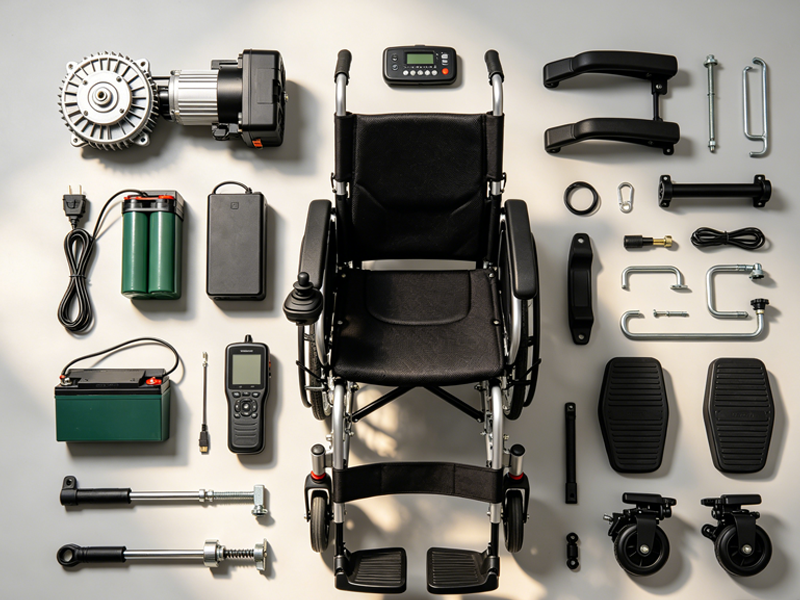
Many buyers waste money not because they choose poor products, but because they choose in the wrong order.
Buying too many accessories immediately is a common mistake. It is often better to use the wheelchair for two weeks first, then identify real daily friction points.
Another mistake is choosing the cheapest possible mounts or holders. Low-quality clamps often loosen, break, or become unsafe.
Ignoring weight balance is also common. Heavy bags placed on one side may affect handling.
Finally, some users prioritize appearance over function. Style matters, but durability matters more.
For someone new to lightweight electric wheelchairs, five accessories usually provide excellent value:
A pressure-relief cushion for comfort,
a side pouch for essentials,
a reliable phone mount,
front and rear lights for safety,
and a weather cover for protection.
These upgrades improve everyday use immediately without overcomplicating the setup.
The accessory market continues to evolve quickly.
We are seeing lighter materials, modular mounting rails, app-connected systems, anti-theft tracking tools, smart posture sensors, solar charging ideas, and improved universal compatibility across brands.
As wheelchairs become more compact and intelligent, accessories will become more personalized and seamlessly integrated.
A lightweight electric wheelchair provides movement, but accessories shape the experience of that movement.
They determine whether a long outing feels comfortable, whether travel feels stressful or simple, whether errands feel manageable, and whether the user feels prepared for changing weather, busy environments, or full-day schedules.
The best accessory is not always the most expensive one. It is the one that solves a real daily problem.
If sitting becomes uncomfortable, upgrade the cushion.
If carrying essentials is difficult, improve storage.
If evening travel feels risky, add lighting.
If trips feel complicated, invest in travel gear.
If independence matters, personalize the setup around real life.