Our Location
Free Trade Tower, Xiyong street.
Chongqing, China

Free Trade Tower, Xiyong street.
Chongqing, China
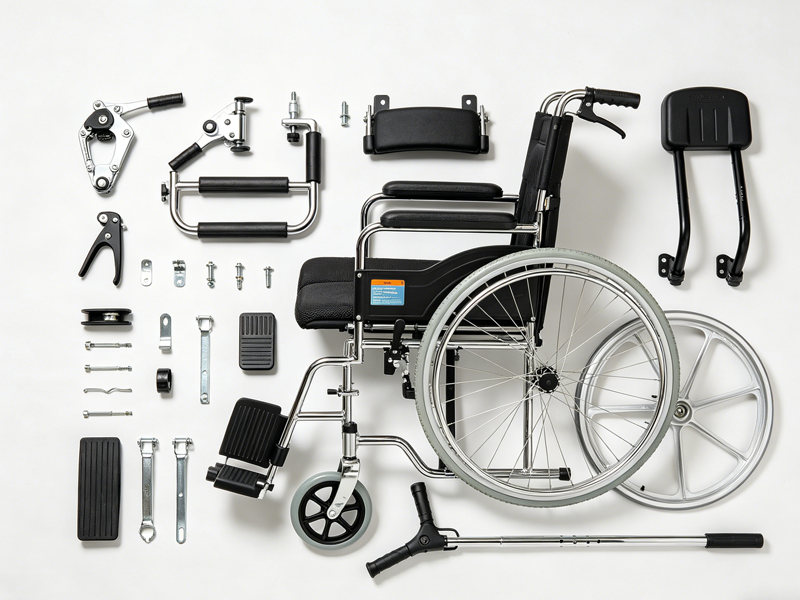
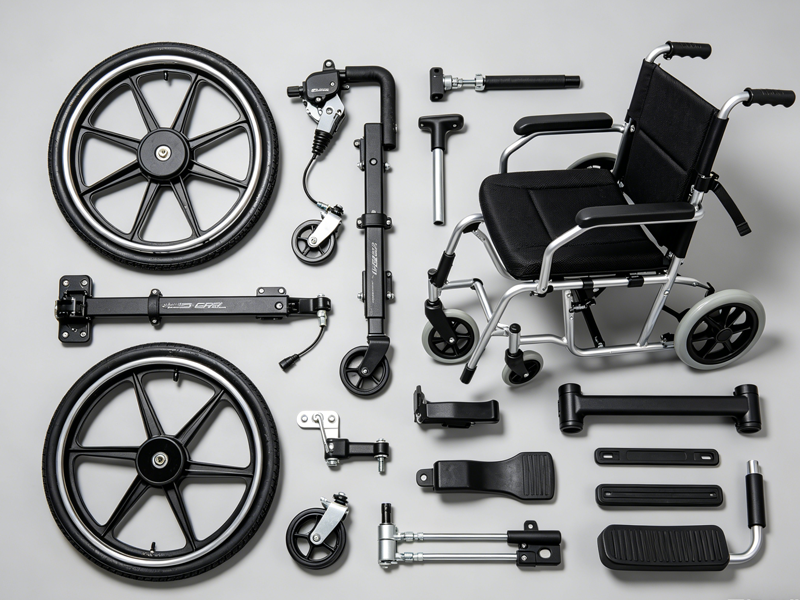
A wheelchair is more than a mobility device—it is part of daily life, freedom, identity, and independence. For many users, a standard factory model is only the starting point. Real comfort and performance often come from thoughtful customization. That is where wheelchair modification accessories become essential.
Table of Contents
ToggleFrom pressure-relief cushions and ergonomic backrests to power-assist wheels, storage systems, ramps, smart controls, and posture supports, the right accessories can transform how a wheelchair feels and functions. They can reduce fatigue, improve mobility, enhance safety, and make everyday routines far easier.
This comprehensive guide explores the most valuable wheelchair accessories available today, how to choose them wisely, and which upgrades offer the greatest long-term benefit. Whether you are a wheelchair user, caregiver, rehabilitation professional, or buyer researching options, this article will help you make informed decisions.
No two wheelchair users have the same needs. Age, diagnosis, lifestyle, body shape, environment, and daily routines all influence what works best. A person navigating city streets has different priorities than someone using a wheelchair mainly indoors. Someone with reduced upper-body strength needs different support than an active manual chair athlete.
Wheelchair modification accessories help bridge that gap between standard design and personal reality.
Common reasons people customize wheelchairs include:
A properly modified wheelchair often improves quality of life more than replacing the entire chair.
If there is one area worth prioritizing, it is seating. Poor positioning can lead to pain, fatigue, pressure injuries, scoliosis progression, reduced breathing efficiency, and limited function.
Pressure Relief Cushions
Wheelchair cushions are one of the most important accessories available. They distribute body weight and reduce concentrated pressure around the pelvis and tailbone.
Popular cushion types include:
Users sitting for many hours daily often benefit from higher-end pressure management cushions.
Backrests
Many standard sling backs offer minimal support. Upgraded backrests improve posture, comfort, and trunk control.
Options include:
Seat Wedges and Positioning Pads
These help reduce sliding, pelvic tilt, or asymmetry. They are frequently recommended by occupational therapists and seating specialists.
Small contact points often create major discomfort. Modifying these areas can significantly improve day-to-day usability.
Adjustable Armrests
Height-adjustable armrests improve shoulder comfort, desk access, and transfer support.
Useful for:
Padded Armrest Covers
Soft covers reduce pressure on elbows and forearms while adding warmth in colder climates.
Elevating Leg Rests
These accessories help users managing:
Angle-Adjustable Footplates
Proper foot support reduces pressure behind the thighs and improves pelvic alignment.
Many users want to move farther with less fatigue. Modern wheelchair accessories now make this easier than ever.
Power Assist Wheels
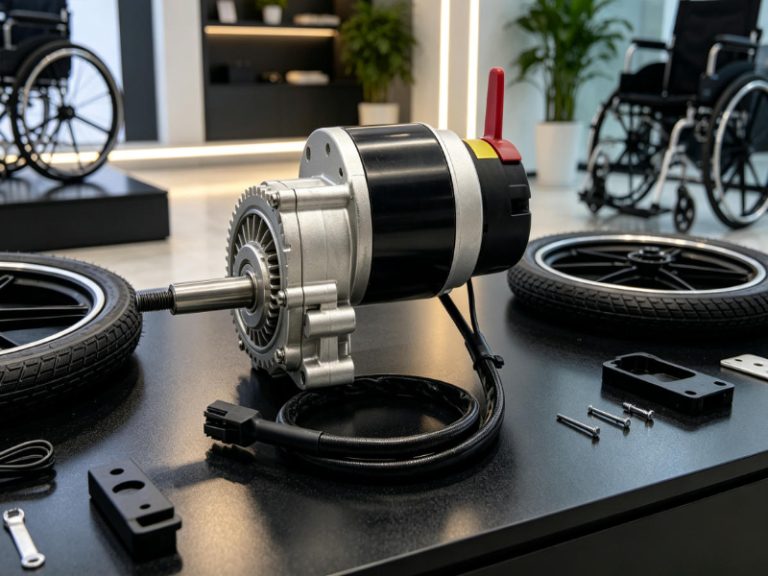
Power-assist wheels add motorized support while keeping the chair manual in appearance and basic structure. They are ideal for users with limited strength or repetitive strain concerns.
Benefits include:
Handrim Modifications
Grip-coated or ergonomic handrims improve propulsion efficiency, especially in wet weather or for users with weak grip strength.
Wheelchair Push Handles for Caregivers
Extendable or ergonomic push handles improve caregiver comfort and control.
Freewheel Attachments
These lift front casters off rough terrain, making grass, gravel, and uneven paths easier to navigate.
Safety upgrades are often overlooked until a problem occurs. Preventive accessories are usually inexpensive compared with injuries or equipment damage.
Anti-Tip Bars
These small rear extensions prevent backward tipping, especially useful for:
Seat Belts and Positioning Belts
Not only for safety, these can also support posture and pelvic positioning.
Reflective Kits and Lights
Essential for users traveling outdoors at dusk or night.
Recommended additions:
Braking Upgrades
High-grip brake extensions help users with arthritis or limited hand dexterity.
Wheelchair users carry essentials daily: phones, wallets, chargers, medications, water bottles, paperwork, groceries, and more.
Well-designed storage accessories increase independence dramatically.
Under-Seat Bags
Secure and discreet storage for personal items.
Side Pouches
Perfect for phones, keys, glasses, and quick-access items.
Backpack Handles
Mounting systems allow backpacks to attach without interfering with wheels.
Cup Holders and Device Mounts
Popular among active users who commute, work, or travel regularly.
Useful mounts include:
Outdoor wheelchair users know weather matters.
Rain Covers
Waterproof lap covers and chair covers help during sudden rain.
Wheelchair Umbrella Mounts
Useful in sunny or wet climates, especially for users unable to hold umbrellas.
Winter Accessories
For cold-weather regions:
Sun Protection
UV exposure is often underestimated for users spending long periods outdoors. Canopies and sunshades can make a meaningful difference.
The wheelchair industry has embraced assistive technology quickly. Smart accessories are no longer niche products.
Bluetooth Controls
Some power chairs integrate with smartphones for settings adjustments and diagnostics.
GPS and Tracking Devices
Helpful for:
Smart Pressure Monitoring Cushions
These systems alert users when repositioning is needed.
USB Charging Ports
A practical upgrade for phones, communication devices, and tablets.
Transportation is a major challenge for many wheelchair users. Accessories can simplify travel considerably.
Portable Ramps
Ideal for homes, curbs, vans, and temporary access barriers.
Transfer Boards
Helpful for car seat transfers or bed transfers.
Tie-Down Systems
Critical for safe wheelchair transport in vehicles.
Travel Cases for Folding Chairs
Protect lightweight chairs during flights or long-distance transport.
Many users are highly active and want performance-focused upgrades.
Sports Tires
Different tread patterns support basketball, tennis, racing, or outdoor mobility.
Lightweight Components
Titanium bolts, performance casters, and upgraded wheels reduce overall weight.
Gloves and Push Gear
Specialized gloves improve propulsion grip and reduce hand injury risk.
Personalized Style Upgrades
Modern wheelchair users increasingly customize aesthetics through:
Mobility equipment can be functional and expressive at the same time.
The best accessory is not always the most expensive one. It is the one that solves a real daily problem.
Use this decision framework:
1. Identify the Pain Point
Ask:
2. Match Accessories to Lifestyle
An office worker may prioritize posture and storage.
A traveler may need ramps and transport protection.
An athlete may prioritize wheels and propulsion efficiency.
3. Check Compatibility
Not all accessories fit every wheelchair model. Always verify:
4. Consider Long-Term Value
A premium cushion that prevents skin breakdown may save thousands in medical costs later.
5. Consult Professionals
Occupational therapists, physiotherapists, ATPs (Assistive Technology Professionals), and seating clinics can prevent costly mistakes.
Many buyers purchase accessories impulsively and regret it later.
Avoid these common errors:
Accessories need care to remain safe and effective.
Monthly Checklist
Replace When Needed
Items such as cushions, tires, Velcro straps, and grips naturally wear out over time.
Wheelchair accessories range from affordable essentials to advanced premium systems.
Typical ranges:
Focus on upgrades that directly improve health, comfort, or independence first.
Almost every user can benefit, but especially:
Customization is becoming smarter, lighter, and more user-centered.
Wheelchair modification accessories are not luxury extras—they are practical tools that shape daily comfort, health, mobility, and freedom. A well-chosen cushion can prevent pain. A better backrest can improve posture and breathing. Power-assist wheels can preserve shoulders. Storage systems can restore convenience. Safety upgrades can prevent injuries.
The most effective wheelchair setup is personal. It reflects the user’s body, environment, routine, and goals.
Instead of asking, “What accessories are popular?” ask a better question:
What changes would make everyday life easier, safer, and more comfortable?
That answer usually leads to the right upgrade.
For users, caregivers, and healthcare buyers alike, investing in thoughtful wheelchair modifications often delivers one of the highest returns in independence and quality of life.
WhatsApp us