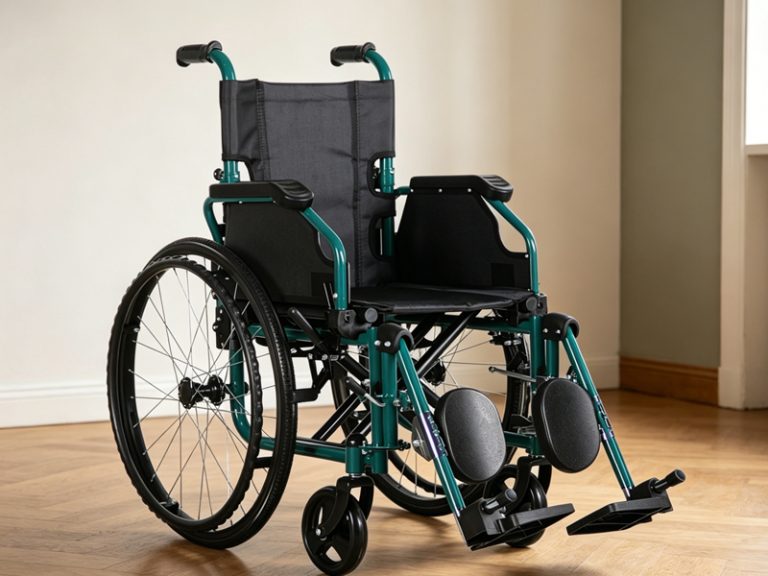
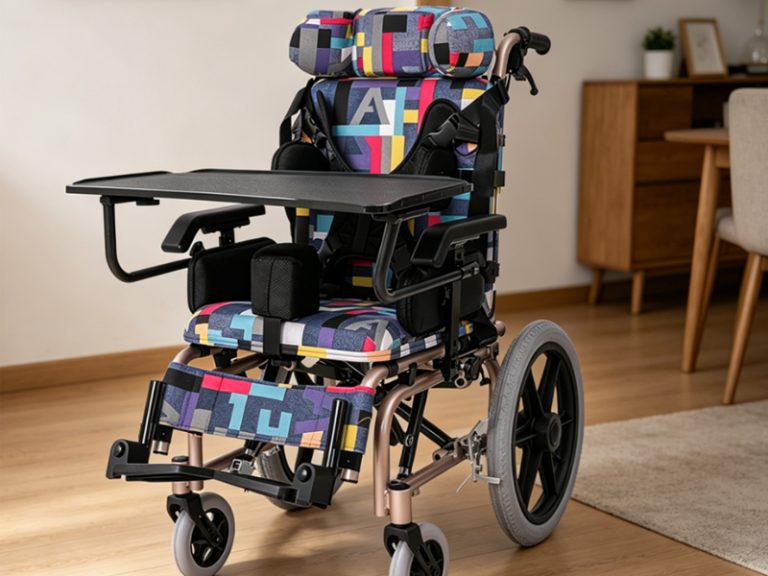
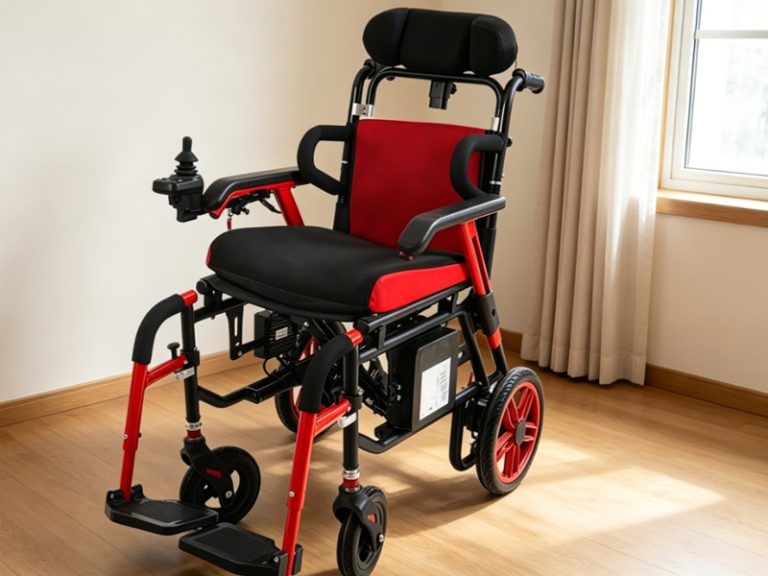
Our Location
Free Trade Tower, Xiyong street.
Chongqing, China

Free Trade Tower, Xiyong street.
Chongqing, China
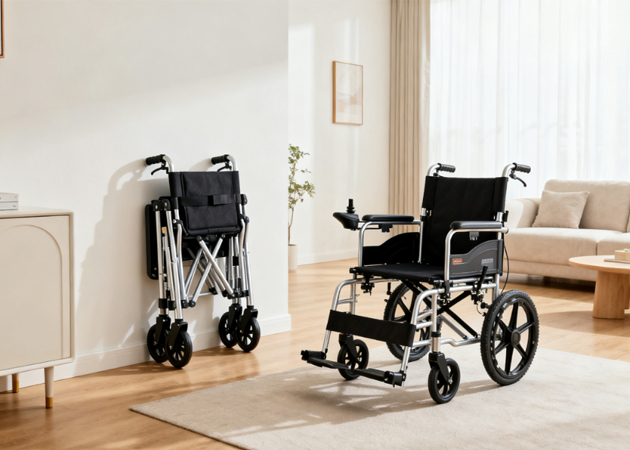
Choosing the right wheelchair is one of the most important decisions for people who need mobility support. Among the wide range of options, the lightweight folding wheelchair has become one of the most popular choices for daily use, travel, and long-term independence. It combines portability with comfort, offering both practical and emotional benefits for users and caregivers. Understanding its unique advantages and knowing how to make the right choice can improve quality of life dramatically.
Traditional wheelchairs were often heavy, made of steel, and difficult to transport. They required more effort to push and were almost impossible to carry into a car or store in a small apartment. For many users, this created barriers instead of freedom. The introduction of lightweight folding models—usually built with aluminum alloys or other strong but light materials—has changed this picture completely.
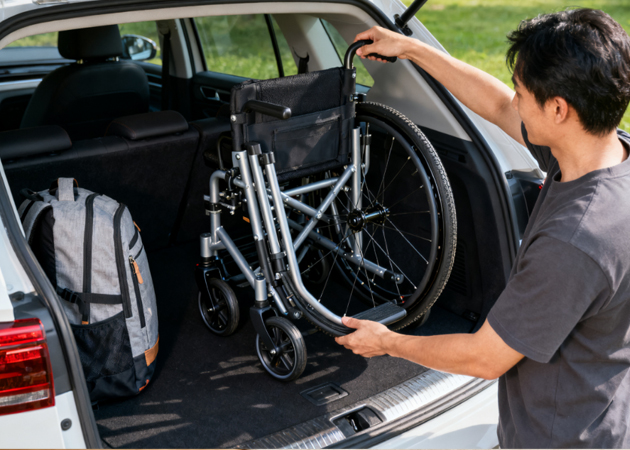
The biggest improvement is independence. A lightweight folding wheelchair can be folded in seconds and stored in a car trunk, taken on an airplane, or placed neatly in a closet. It means users do not need to rely on others as much, and caregivers find it easier to handle. Portability encourages more outdoor activities, social interactions, and travel, which all contribute to mental well-being.
A wheelchair should not only be a tool for movement but also a supportive chair where someone spends many hours of the day. Lightweight folding wheelchairs often feature ergonomic seating, breathable fabrics, and adjustable footrests. Because the frame is lighter, it requires less energy to push. Users who self-propel can conserve energy for longer distances, while caregivers pushing someone will feel less physical strain.
The reduced weight also improves maneuverability. Narrow hallways, busy shopping centers, or uneven pavements can be navigated more easily. For many people, the sense of control over movement—being able to handle tight turns or climb small curbs—makes daily life smoother and more dignified.
It is a common misconception that lighter products are weaker. Modern lightweight folding wheelchairs are designed with aviation-grade aluminum, reinforced joints, and high-quality tires that can handle daily wear. Many models can carry a significant amount of weight, making them suitable for a wide range of users. The folding mechanism itself is engineered for repeated use, often lasting many years if maintained properly.
The balance between weight reduction and structural strength is one of the main achievements of today’s wheelchair technology. For users, it means they can trust their equipment during commuting, travel, or outdoor activities without carrying the burden of unnecessary bulk.
Mobility is not only a physical matter—it affects how people see themselves and how they interact with society. Feeling trapped at home because a wheelchair is too heavy to transport can cause frustration or even depression. A lightweight folding wheelchair changes this dynamic.
Users often describe a sense of freedom when they can fold their wheelchair independently, load it into a vehicle, and continue their day without waiting for assistance. This autonomy reduces stress and allows for spontaneous activities, like visiting a friend or going shopping. It restores a level of normality and confidence that is priceless.
When selecting a lightweight folding wheelchair, not all models are equal. Several features should be considered carefully before making a purchase.
Weight of the Frame:Most lightweight wheelchairs weigh between 8–15 kg. The lighter the frame, the easier it is to carry, but make sure the weight capacity still suits your needs.
Folding Mechanism:Some chairs fold from side to side like a book, while others collapse forward. Test the mechanism to see if it feels smooth and manageable for your strength level.
Seat Comfort:Cushioned, breathable materials are essential if the wheelchair will be used for several hours daily. Seat width and depth must match body size to avoid discomfort.
Wheel Type:Larger rear wheels are better for self-propelling, while smaller wheels may be more compact for travel. Consider whether you will mostly push the chair yourself or rely on a caregiver.
Adjustability:Adjustable footrests, armrests, and backrest angles can make a big difference for long-term comfort.
Portability for Travel:If you plan to take the wheelchair on flights or in small vehicles, check its folded dimensions. Some models even fit into carrying bags.
Safety Features:Look for strong brakes, anti-tip devices, and durable tires. Safety should always be a priority.
Choosing a wheelchair is very personal. Beyond technical specifications, lifestyle and daily habits matter. Someone who often travels for work may prioritize ultra-light frames and compact folding size. A caregiver who regularly assists an elderly person might prefer models with push handles, hand brakes, and easy lifting weight.
For active users, a sport-style lightweight folding wheelchair with reinforced wheels and quick-release axles might be the right option. For those needing longer sitting hours, comfort and posture support should be prioritized. Thinking honestly about where and how the wheelchair will be used daily helps avoid disappointment later.
Maintenance for Long-Term Value
A lightweight folding wheelchair is an investment. To ensure it lasts, basic maintenance is important. Keeping the frame clean and dry prevents corrosion. Regularly checking the folding joints ensures smooth operation. Tires should be inspected for wear, and cushions should be washed or replaced to maintain hygiene. With these simple steps, a good wheelchair can last many years without major issues.
Comparing Lightweight Folding Wheelchairs with Other Types
There are many wheelchair categories: heavy-duty models, electric power chairs, reclining chairs, and more. Each has its own purpose, but lightweight folding chairs fill a very specific role: everyday convenience and portability.
Versus Heavy Manual Wheelchairs: Lighter to transport, easier to self-propel, but sometimes less padded.
Versus Electric Wheelchairs: More affordable and travel-friendly, but require more physical effort.
Versus Heavy-Duty Bariatric Wheelchairs: Not designed for maximum load, but excellent for standard users who want freedom of movement.
This balance of portability, affordability, and independence is what keeps lightweight folding models at the top of user demand worldwide.
Mobility is about freedom, dignity, and quality of life. A lightweight folding wheelchair is more than a piece of equipment—it is a gateway to independence. Its portability reduces stress for caregivers, its comfort supports long hours of use, and its design empowers users to take control of their daily activities.
When choosing, remember that the best wheelchair is not always the lightest or the most expensive, but the one that fits your lifestyle, body, and long-term needs. By considering weight, comfort, adjustability, and travel convenience, you can make a choice that will truly enhance your mobility journey.