Our Location
Free Trade Tower, Xiyong street.
Chongqing, China

Free Trade Tower, Xiyong street.
Chongqing, China
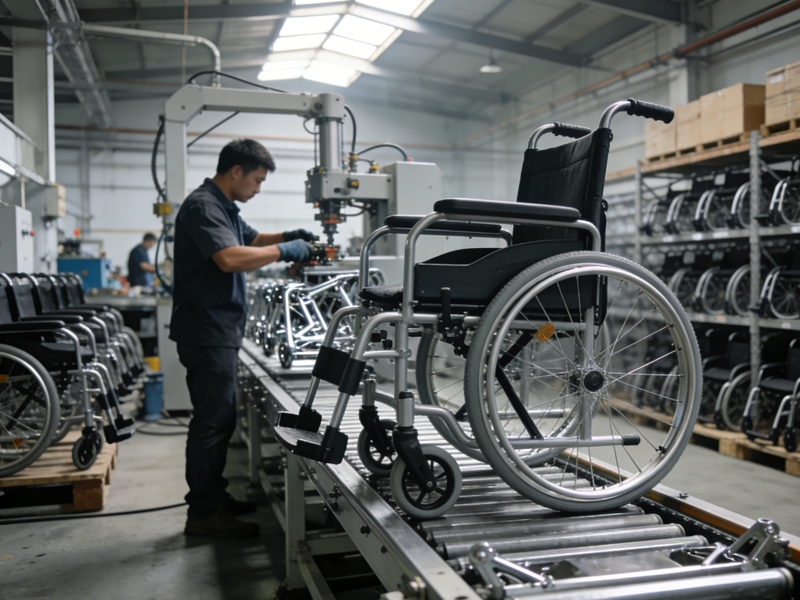
The global demand for high-quality mobility solutions has grown rapidly over the past decade, driven by aging populations, increased awareness of accessibility, and advancements in medical technology. Among these solutions, wheelchairs stand at the center—not just as mobility aids, but as essential tools that restore independence, dignity, and quality of life.
Behind every reliable wheelchair is a manufacturing process that blends engineering precision, user-centered design, and strict quality control. For businesses, healthcare providers, and distributors seeking dependable partners, working with a professional wheelchair manufacturing factory is no longer optional—it is a strategic decision that directly impacts product performance and brand reputation.
Wheelchairs have come a long way from their early, rigid designs. Today’s models integrate lightweight materials, ergonomic structures, and smart features tailored to diverse user needs.
Modern manufacturing focuses on three key aspects:
Factories that understand this evolution invest heavily in research and development, constantly refining designs to meet both medical standards and user expectations.
Not all factories operate at the same level. A professional manufacturer distinguishes itself through consistency, transparency, and innovation.
1. Advanced Production Facilities
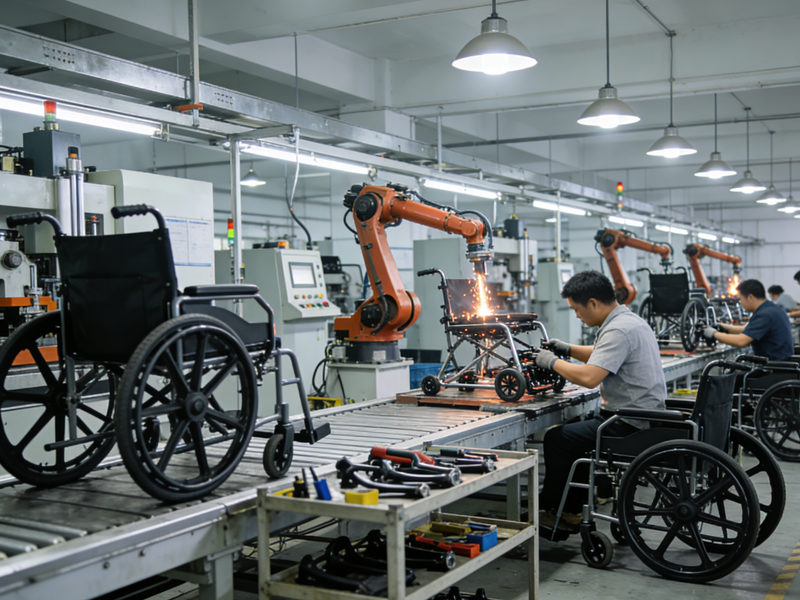
A reliable factory is equipped with automated welding systems, precision cutting machines, and assembly lines that minimize human error. These technologies ensure uniform quality across large production volumes.
2. Strict Quality Control Systems
Every wheelchair must undergo multiple inspections—from raw material selection to final product testing. This includes load-bearing tests, fatigue testing, and real-world simulation.
3. Compliance with International Standards
Export-oriented manufacturers adhere to certifications such as ISO, CE, and FDA regulations. These standards are essential for entering global markets and building trust with buyers.
4. Experienced Engineering Teams
Behind every product is a team of engineers and designers who understand biomechanics, ergonomics, and material science. Their expertise ensures that each wheelchair meets both functional and medical requirements.
Wholesale purchasing plays a critical role for distributors, hospitals, and retailers. However, scaling orders requires more than just competitive pricing—it demands reliability.
Professional factories offer:
Buyers working with established manufacturers can expand their product lines without worrying about delays or inconsistencies.
One of the most important trends in the wheelchair industry is customization. Different users have different needs, and a one-size-fits-all approach is no longer sufficient.
Customization options typically include:
For businesses, customization also extends to branding:
This flexibility allows distributors to create unique product lines that stand out in competitive markets.
The choice of materials directly affects a wheelchair’s weight, durability, and comfort.
A professional factory carefully selects materials based on the intended use of the wheelchair, balancing performance with cost efficiency.
The modern wheelchair is no longer just a mechanical device—it is becoming smarter and more adaptable.
Recent innovations include:
Factories that invest in innovation are better positioned to meet the evolving expectations of global markets.
Among the emerging names in the industry, Iyasocare has established itself as a reliable wheelchair manufacturing brand with a strong focus on quality, customization, and global distribution.
What sets Iyasocare apart is its commitment to combining modern engineering with user-centric design. The brand offers a wide range of products, including manual wheelchairs, lightweight travel models, and specialized solutions for medical institutions.
Key strengths include:
For distributors seeking a dependable partner, Iyasocare provides both the flexibility and reliability needed to grow in international markets.
A wheelchair is not just a product—it is an extension of the user’s daily life. Poor design can lead to discomfort, health issues, and reduced mobility.
Professional manufacturers prioritize:
By focusing on the end user, factories create products that genuinely improve quality of life.
As global awareness of environmental issues increases, sustainability has become a key consideration in manufacturing.
Forward-thinking factories adopt:
These practices not only benefit the environment but also enhance brand reputation in international markets.
Selecting a wheelchair manufacturer is a decision that requires careful evaluation.
Consider the following factors:
A strong partnership ensures long-term success and reduces operational risks.
The global wheelchair market continues to expand, driven by demographic changes and healthcare advancements.
Opportunities include:
Businesses that align with professional manufacturers can capitalize on these trends and build sustainable growth.
The wheelchair manufacturing industry is evolving rapidly, with increasing emphasis on quality, customization, and global accessibility. For businesses and healthcare providers, partnering with a professional factory is essential to delivering reliable and user-friendly products.
Brands like Iyasocare demonstrate how innovation, consistency, and customer focus can create strong value in the global market. Whether through wholesale distribution or customized solutions, the right manufacturing partner can transform opportunities into long-term success.
1. What should I look for in a wheelchair manufacturing factory?
You should evaluate production capabilities, quality certifications, customization options, and international shipping experience. A reliable factory will provide transparency and consistent communication throughout the process.
2. Is customization important for wheelchair products?
Yes, customization is essential. Different users have unique needs, and offering tailored solutions improves comfort, usability, and market competitiveness.
3. Why is wholesale purchasing beneficial for distributors?
Wholesale purchasing reduces costs, ensures stable supply, and allows businesses to scale efficiently while maintaining consistent product quality.