Our Location
Free Trade Tower, Xiyong street.
Chongqing, China

Free Trade Tower, Xiyong street.
Chongqing, China
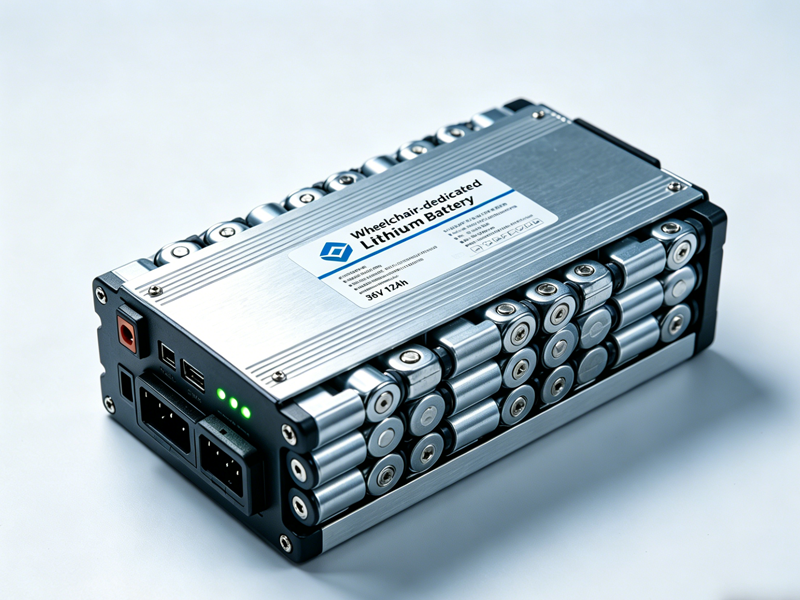
Choosing an electric wheelchair is about far more than speed, comfort, or design. One of the most important decisions often hides beneath the seat: the battery system. For many buyers, the real comparison comes down to lead-acid vs lithium-battery electric wheelchairs.
Battery technology directly affects daily convenience, travel freedom, maintenance costs, charging habits, wheelchair weight, and long-term ownership experience. A wheelchair that uses the right battery can make life easier, while the wrong choice may create unnecessary limitations.
Today, both lead-acid and lithium batteries are still used in powered wheelchairs worldwide. Lead-acid models remain common in entry-level or budget-friendly products, while lithium-powered wheelchairs are becoming the preferred option for users seeking lightweight design, portability, and better performance.
Many people compare electric wheelchairs by looking at motor wattage, top speed, turning radius, or seat comfort. Those features matter—but none of them work without a reliable battery.
The battery determines:
In practical terms, battery choice affects independence. If users need daily transportation, outdoor travel, shopping trips, hospital visits, or family outings, battery performance becomes critical.
That is why understanding lead-acid vs lithium electric wheelchair batteries is essential before purchasing.
Lead-acid batteries have been used for decades in mobility devices, cars, backup systems, and industrial equipment. They are proven, widely available, and relatively affordable.
Most electric wheelchairs using lead-acid batteries rely on sealed AGM or gel battery designs, which are safer and cleaner than older flooded lead-acid systems.
Key Advantages of Lead-Acid Wheelchair Batteries
Lower upfront cost
Lead-acid wheelchairs are typically cheaper to purchase. For price-sensitive buyers, this can make powered mobility more accessible.
Established technology
Repair shops and dealers worldwide are familiar with lead-acid systems. Replacements are often easier to source locally.
Stable for moderate use
For users who mainly travel short indoor distances or occasional outdoor trips, lead-acid batteries may perform adequately.
Limitations of Lead-Acid Systems
Despite affordability, lead-acid batteries come with trade-offs.
Heavier weight
Lead-acid batteries are significantly heavier than lithium batteries. This increases total wheelchair weight, making transport harder.
Shorter lifespan
They usually offer fewer charge cycles before capacity drops.
Longer charging time
Charging can take many hours, sometimes overnight.
Performance decline over time
Range gradually decreases as batteries age.
Less suitable for folding travel chairs
Heavy batteries reduce portability.
For users who frequently load wheelchairs into cars or need a travel-friendly model, lead-acid often becomes inconvenient.
Lithium battery technology has transformed many industries, from smartphones to electric vehicles. Electric wheelchairs are now experiencing the same shift.
Most modern wheelchairs use lithium-ion or lithium iron phosphate (LiFePO4) battery systems depending on brand and market positioning.
Why Lithium Wheelchairs Are Growing in Popularity
Lightweight mobility
Lithium batteries weigh far less than lead-acid units with similar usable capacity. This allows manufacturers to design lightweight folding power wheelchairs.
Longer lifespan
Lithium batteries typically last much longer, often with significantly more charging cycles.
Faster charging
Many lithium systems recharge in fewer hours.
Consistent power output
Users often notice steadier speed and performance until the battery reaches lower charge levels.
Better for travel
Many portable electric wheelchairs use removable lithium batteries designed for airline-friendly transport (subject to airline rules and watt-hour limits).
Potential Drawbacks
Higher purchase price
Lithium battery wheelchairs generally cost more upfront.
Battery quality varies by manufacturer
Cheap, poorly managed lithium packs may underperform if not equipped with proper battery management systems (BMS).
Replacement cost can be higher
Premium lithium packs may cost more than standard lead-acid replacements.
Even so, many users find the long-term benefits outweigh the higher initial cost.
This is one of the biggest differences.
Lead-acid wheelchairs are heavier because the batteries themselves add substantial weight. Some models become difficult to lift into vehicles without ramps or assistance.
Lithium-powered wheelchairs are often designed for portability. Many folding models target seniors, travelers, and caregivers who need easier transport.
Winner: Lithium
If portability matters, lithium is the stronger option.
Actual range depends on terrain, user weight, tire pressure, motor efficiency, weather, and battery size.
However, lithium batteries generally provide better energy efficiency and more usable capacity.
Lead-acid batteries may lose effective range as they age faster.
Winner: Lithium
Especially for regular outdoor users or longer daily trips.
Lead-acid batteries usually require replacement sooner, particularly if repeatedly discharged deeply or left uncharged.
Lithium batteries often support many more cycles before noticeable degradation.
That means fewer replacements over time.
Winner: Lithium
Better for long-term ownership.
Lead-acid batteries often need long overnight charging sessions.
Lithium systems commonly recharge faster, depending on charger design.
For active users who need quick turnaround between trips, faster charging matters.
Winner: Lithium
Lead-acid electric wheelchairs usually cost less at the time of purchase.
For budget buyers, this can be decisive.
Winner: Lead-Acid
Although lithium costs more initially, fewer battery replacements and improved convenience may reduce total ownership cost over several years.
Winner: Often Lithium
Especially for daily users.
Lead-acid batteries can suffer if stored discharged for long periods. Capacity loss may accelerate.
Lithium batteries generally handle storage better when maintained properly.
Winner: Lithium
Many airlines have strict rules regarding wheelchair batteries. Removable lithium batteries under approved watt-hour limits are often easier to manage than heavy sealed lead-acid systems.
However, travelers must always confirm airline regulations in advance.
Winner: Usually Lithium
Lead-acid can still be a smart purchase for certain users.
It may suit buyers who:
For light-duty use, lead-acid remains practical.
Lithium is ideal for users who prioritize convenience and performance.
Best suited for those who:
For modern active lifestyles, lithium often delivers a noticeably better ownership experience.
Imagine two users purchasing powered wheelchairs today.
User A buys a lower-cost lead-acid model for occasional errands and home use. It performs well initially but becomes heavy during transport and may need battery replacement sooner.
User B chooses a lithium folding wheelchair at a higher price. It is easier to lift, charges faster, and remains convenient for years.
Neither purchase is automatically wrong. The best choice depends on actual lifestyle needs.
Many shoppers focus only on sticker price. That can be misleading.
When comparing wheelchairs, also consider:
A cheaper wheelchair can become more expensive in practice.
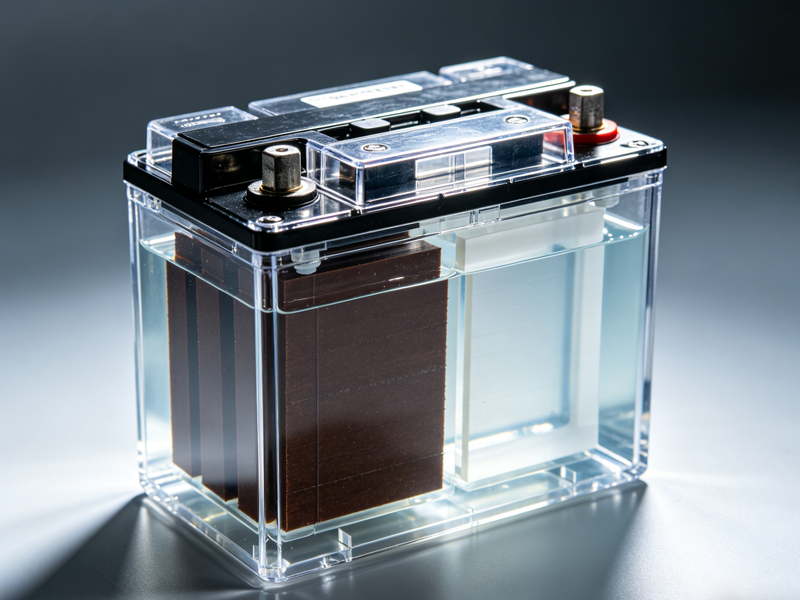
Before ordering, ask the seller these questions:
Serious brands should answer clearly.
The wheelchair industry is moving in the same direction as automotive and consumer electronics markets.
Users now expect:
Lead-acid technology still serves budget segments, but premium and mid-range mobility products increasingly rely on lithium systems.
That trend is expected to continue globally.
If budget is the only concern, a lead-acid electric wheelchair can still be a functional solution.
If mobility freedom, portability, convenience, and long-term value matter most, a lithium-battery electric wheelchair is usually the better investment.
In simple terms:
Lead-acid = lower upfront cost
Lithium = better modern ownership experience
For many users—especially seniors, travelers, caregivers, and daily riders—lithium has become the smarter choice.
1. Is a lithium electric wheelchair worth the extra money?
Yes, for frequent users. Lithium wheelchairs are lighter, easier to transport, charge faster, and usually last longer. Over time, they often provide better overall value.
2. How long do electric wheelchair batteries usually last?
Lead-acid batteries typically need replacement sooner than lithium batteries. Actual lifespan depends on charging habits, storage, climate, and usage frequency.
3. Can I take a lithium wheelchair battery on a plane?
Often yes, but airline regulations vary by battery watt-hour rating, removable design, and destination rules. Always confirm with the airline before travel.