Our Location
Free Trade Tower, Xiyong street.
Chongqing, China

Free Trade Tower, Xiyong street.
Chongqing, China
Every year, thousands of wheelchair users experience injuries caused by slipping or sliding accidents. For individuals with limited mobility, even a minor slip can result in serious consequences, including fractures, muscle strain, pressure injuries, or loss of independence. These incidents not only affect physical health but also reduce confidence and quality of life.
Fortunately, many slipping accidents are preventable. With the right equipment, proper wheelchair setup, and thoughtful environmental adjustments, the risk of sliding or falling can be significantly reduced. One of the most effective and often overlooked solutions is the use of a non-slip wheelchair mat.
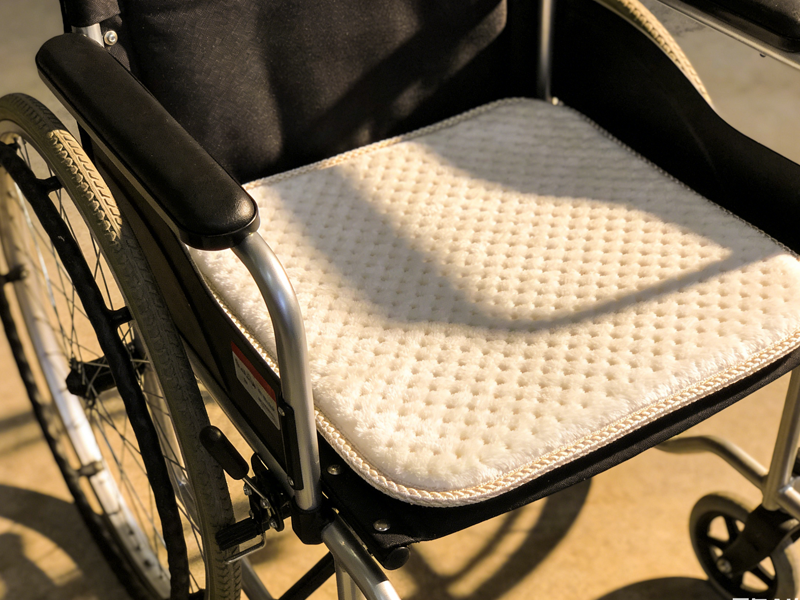
Wheelchair mats—often referred to as non-slip wheelchair pads or anti-slip seating bases—are specially designed surfaces placed on wheelchair seats to prevent the user from sliding forward or sideways while seated. These mats are typically made from high-friction materials that create resistance between the wheelchair cushion and the user’s clothing or body.
The primary purpose of a non-slip wheelchair mat is to improve seating stability and posture. By limiting unwanted movement, the mat helps the user remain properly positioned, reducing the risk of slipping, discomfort, or pressure-related injuries.
These mats are especially beneficial for:
Elderly individuals
People with reduced trunk or pelvic control
Wheelchair users who slide forward due to muscle weakness
Individuals who spend long periods seated
Thanks to their simple design and versatility, non-slip mats are widely used in both clinical settings and home care environments.
Maintaining proper posture in a wheelchair is essential for comfort, circulation, breathing, and overall health. When a user slides forward, the pelvis tilts backward, placing strain on the spine and increasing pressure on sensitive areas such as the tailbone.
A high-quality wheelchair mat helps:
Stabilize the pelvis
Encourage upright posture
Reduce involuntary movement
Minimize friction-related skin damage
Lower the risk of falls during transfers
By keeping the user securely positioned, these mats support both short-term comfort and long-term musculoskeletal health.
Although designed primarily for wheelchairs, non-slip mats can be used in a variety of situations. Their adaptability makes them a valuable safety tool across multiple settings.
Use on Chairs and Recliners
Non-slip mats are often placed on:
Lift chair recliners
Standard dining chairs
Armchairs used for resting
This is particularly helpful for individuals who transfer frequently between different seating surfaces and need consistent support.
Bathroom and Shower Safety
Bathrooms are among the most dangerous areas in the home due to wet surfaces. A non-slip mat can be placed:
On the bathroom floor
Near the shower or bathtub exit
In areas where traditional rugs lack grip
Using a wheelchair mat in these spaces adds an extra layer of protection against slips and falls.
Common Types of Wheelchair Mats
There is no one-size-fits-all solution when it comes to wheelchair mats. The best option depends on the user’s needs, physical condition, and daily routine. Below are the most common types available.
Rubberized Wheelchair Mats
Rubber-based wheelchair mats are among the most popular and affordable options. They feature textured or rough surfaces that create friction between the seat and the user.
Key benefits:
Strong anti-slip performance
Durable materials
Easy to clean
Budget-friendly
High-quality rubber mats retain their grip even after repeated washing and extended use. Many modern designs also include ventilation holes, which help reduce heat buildup during prolonged sitting.
Gel-Based Wheelchair Cushions
Gel cushions provide both comfort and stability. The gel material adapts to the user’s body shape, evenly distributing weight and reducing pressure points.
Advantages of gel-based mats:
Excellent pressure relief
Improved comfort for long-term use
Enhanced stability due to weight distribution
These mats are often recommended for users who are at risk of pressure sores but still need reliable anti-slip support.
Memory Foam and Pressure-Relief Cushions
Memory foam wheelchair mats combine softness with support. While their primary function is pressure relief, many models incorporate anti-slip bases or textured surfaces.
Ideal for:
Users without existing pressure ulcers
Individuals seeking added comfort
Long periods of seated use
Memory foam mats work best when paired with a non-slip underside to prevent shifting.
Anti-Slip Fabric Mats
Lightweight mats made from anti-slip fabric—often featuring silicone or rubber patterns—are ideal for users who transfer frequently between chairs.
Why choose fabric-based mats?
Lightweight and portable
Easy to fold and transport
Suitable for short-term or multi-seat use
These mats are especially popular in home care and travel situations.
Regular maintenance extends the life of a wheelchair mat and ensures consistent anti-slip performance.
Cleaning Tips
Wipe up spills immediately
Wash weekly with warm water and mild detergent
Avoid harsh chemicals that may damage the surface
Allow the mat to dry completely before reuse
Inspection and Replacement
Over time, even the best mats can wear down. Check regularly for:
Thinning material
Reduced grip
Cracks or surface damage
Replace the mat when signs of wear become noticeable to maintain safety standards.
If a user continues to slide despite using a non-slip mat, the wheelchair may require further adjustments or accessories. A comprehensive approach often delivers the best results.
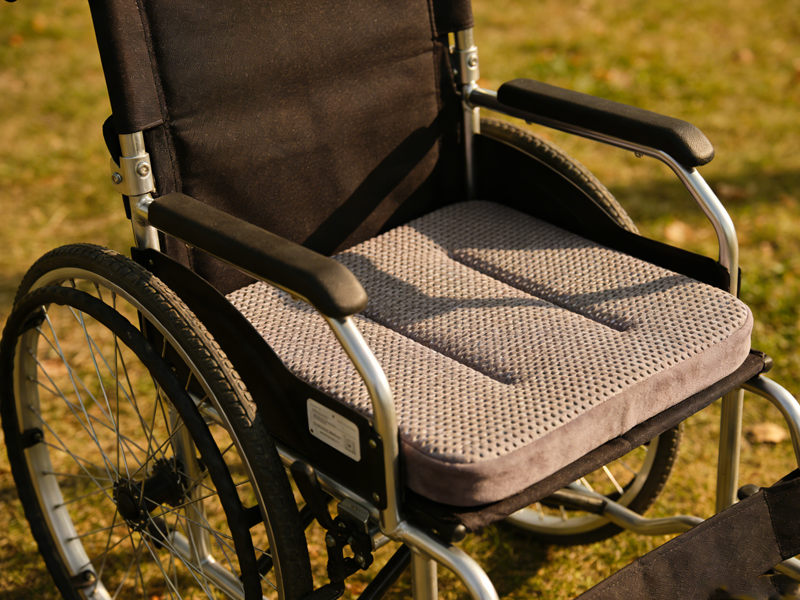
Gel or Memory Foam Cushions
Recommended for users without pressure ulcers, these cushions provide comfort and reduce friction.
Air Cushions
Ideal for users with existing pressure sores or high risk of skin breakdown. Air cushions adapt closely to body contours and distribute pressure evenly.
Molded or Anatomical Cushions
Designed to promote proper posture and pelvic stability, these cushions offer enhanced control and alignment.
Safety Belts and Postural Supports
Abdominal Belt
Helps stabilize the trunk and prevent forward sliding.
Abdominal Belt with Perineal Support
Provides additional pelvic support and reduces sudden movements.
Postural Vest or Thoracic Harness
Recommended for individuals with poor trunk control. These supports help prevent slipping and falling without restricting necessary movement.
Headrests and Upper Body Support
Headrests are essential for wheelchairs with reclining or tilting functions. They support users who lack head or neck control and may include lateral supports for added stability.
These supports are beneficial for users with limited postural control, helping maintain balance and alignment while seated.
Proper footrest adjustment influences pelvic positioning and overall posture. Footrests are especially helpful for individuals with spasticity in the lower limbs.
Non-slip mats work best when combined with other safety strategies.
Equipment Checks
Ensure armrests and footrests are secure
Inspect wheelchair components regularly
Address mechanical issues promptly
Environmental Adjustments
Maintain adequate lighting
Remove obstacles and clutter
Install grab bars in key areas
Use non-slip flooring where possible
Together, these measures create a safer and more supportive environment.
Non-slip wheelchair mats play a vital role in preventing slipping accidents and improving seating stability for wheelchair users. When properly selected, installed, and maintained, they significantly reduce the risk of sliding, enhance comfort, and support healthy posture.
However, the most effective safety strategy combines multiple elements: appropriate cushions, supportive accessories, regular equipment checks, and thoughtful environmental modifications. By taking a comprehensive approach, caregivers and users can create a safer, more comfortable experience that supports long-term mobility and independence.
Regular inspection and timely replacement of non-slip mats ensure consistent protection and peace of mind for everyday wheelchair use.
1. Do non-slip wheelchair mats really prevent users from sliding?
Yes, high-quality non-slip wheelchair mats are specifically designed to reduce forward and sideways sliding. They use high-friction materials such as rubber, silicone, or textured fabric to create resistance between the user and the wheelchair seat. When used correctly, they significantly improve seating stability and help maintain proper posture, especially for elderly users or those with limited trunk control.
2. Are non-slip wheelchair mats safe for elderly users?
Non-slip wheelchair mats are generally very safe for elderly users when properly installed and maintained. They help prevent sudden movements, reduce the risk of falls during transfers, and support safer seating posture. However, they should be used as part of a complete seating solution, which may include cushions, belts, or posture supports depending on the individual’s condition.
3. Can a non-slip wheelchair mat be used with a cushion?
Yes, non-slip wheelchair mats are often used together with seat cushions. In many cases, the mat is placed either on top of the cushion or between the cushion and the wheelchair seat, depending on the design. This combination provides both pressure relief and anti-slip protection. Always follow the manufacturer’s recommendations to ensure proper placement and effectiveness.
4. How do I clean and maintain a non-slip wheelchair mat?
Most non-slip wheelchair mats are easy to maintain. Regular cleaning with warm water and a mild detergent is usually sufficient. Avoid harsh chemicals, bleach, or abrasive cleaners, as these can damage the non-slip surface. It’s also important to inspect the mat regularly for signs of wear, such as reduced grip or thinning material, and replace it when necessary to maintain safety.
5. Are non-slip wheelchair mats suitable for all types of wheelchairs?
Non-slip wheelchair mats are compatible with most standard manual and electric wheelchairs. They are available in different sizes and materials to fit various seat dimensions. However, users with specialized seating systems or custom-molded cushions should consult a healthcare professional or equipment provider to ensure the mat does not interfere with proper positioning or pressure distribution.