Our Location
Free Trade Tower, Xiyong street.
Chongqing, China

Free Trade Tower, Xiyong street.
Chongqing, China
Choosing the right wheelchair accessories can make a bigger difference to everyday comfort and mobility than many people realize. While most buyers focus on the wheelchair frame, seat cushion, wheels, and brakes, one small component deserves just as much attention: the footplate.
Wheelchair footplates support the feet and lower legs, helping users maintain a comfortable sitting position while moving around. They also play an important role in stability, posture, and overall wheelchair usability. However, not all footplates are made from the same material. Plastic and metal are two of the most common options, and each comes with its own advantages and limitations.
So, when comparing plastic vs metal wheelchair footplates, which is better?
The answer depends on how the wheelchair is used, the user’s physical needs, weight considerations, maintenance expectations, and budget. Plastic footplates are often valued for their lightweight construction and comfortable surface, while metal footplates are generally preferred for their strength, durability, and resistance to heavy use.
Neither material is automatically the best choice for everyone.
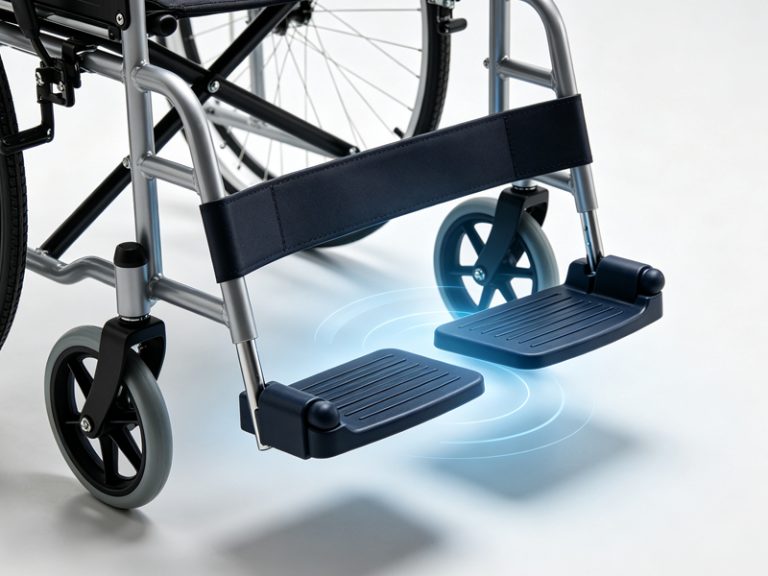
Wheelchair footplates, sometimes called wheelchair footrests or foot supports, are the platforms attached to the lower part of a wheelchair’s leg support assembly. They provide a place for users to rest their feet while sitting in the chair.
Although they may look like simple components, footplates serve several important functions.
First, they help support the feet and prevent them from hanging freely. Without adequate foot support, the legs may become uncomfortable, and pressure can develop around the thighs, knees, or lower legs.
Second, properly positioned footplates help maintain a more balanced sitting posture. When the feet are supported at an appropriate height, users can maintain a more natural lower-body position. This may help reduce unnecessary strain during prolonged wheelchair use.
Third, footplates contribute to everyday safety. A properly fitted footplate helps keep the feet within the wheelchair’s support area and reduces the likelihood of the feet dragging against the ground.
They also make transfers easier when the wheelchair is equipped with swing-away or removable footrests. Users or caregivers can move the footplates out of the way when getting in or out of the chair.
However, footplates must be selected and adjusted correctly. A platform that is too high may increase pressure beneath the thighs, while one that is too low may allow the feet to drag or place unnecessary strain on the legs.
Material is only one part of the decision. Size, shape, adjustability, surface texture, and compatibility with the wheelchair are equally important.
At first glance, plastic and metal footplates may appear to perform exactly the same function. Both support the user’s feet, and both are available in different designs to fit various wheelchair models.
The differences become more noticeable with regular use.
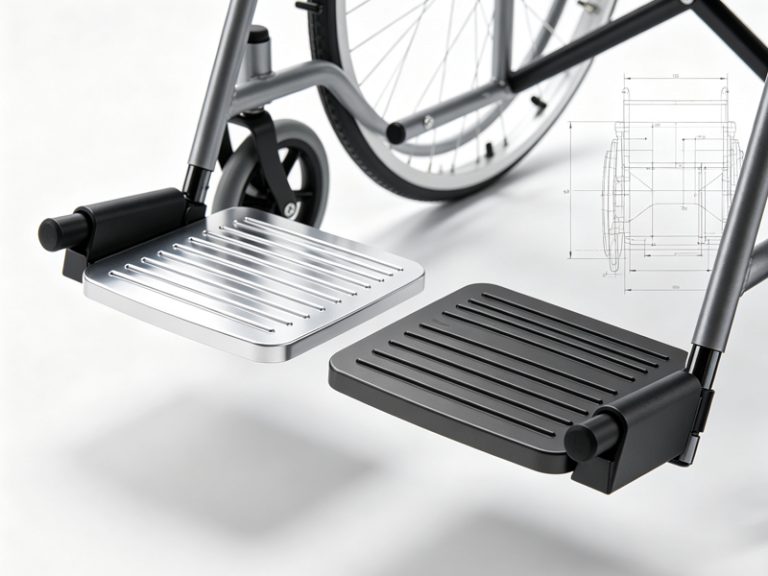
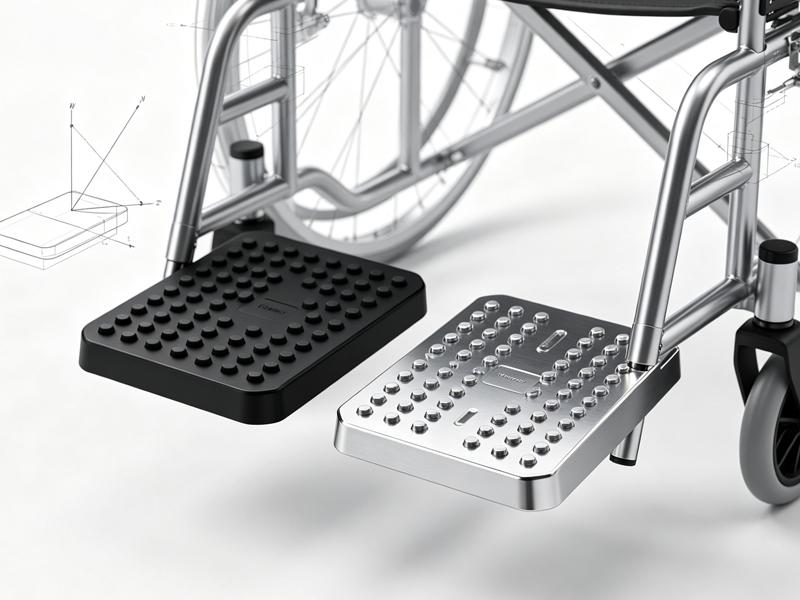
Plastic footplates are typically manufactured from molded engineering plastics or other durable polymer materials. Their designs can include raised edges, textured surfaces, drainage openings, and curved shapes. They are commonly found on standard manual wheelchairs and lightweight mobility equipment.
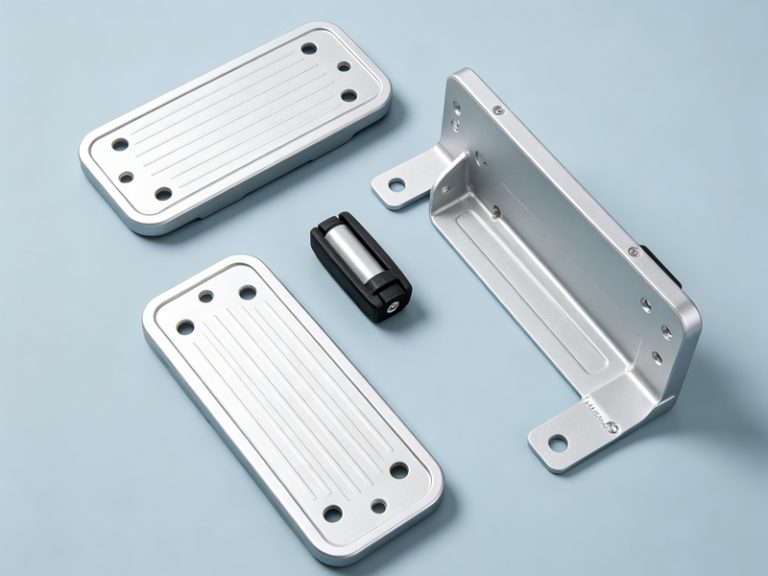
Metal footplates are usually made from aluminum, steel, or other metal alloys. Aluminum is particularly popular because it offers a useful balance between strength and weight. Steel components are generally heavier but can provide substantial structural strength.
The following comparison provides a quick overview.
| Comparison | Plastic Footplates | Metal Footplates |
|---|---|---|
| Weight | Generally lightweight | Depends on metal; aluminum is relatively light |
| Strength | Suitable for normal everyday use | Generally stronger under demanding conditions |
| Durability | Can wear, crack, or become brittle | Often offers longer service life |
| Comfort | Can feel warmer and less cold to the touch | May feel cold or hard |
| Maintenance | Usually easy to clean | May require attention to corrosion and surface damage |
| Appearance | Available in different molded shapes and finishes | Often has a more solid, industrial appearance |
| Cost | Often more affordable | Can be more expensive depending on material |
| Best suited for | Everyday use and budget-conscious buyers | Frequent use and demanding environments |
These are general characteristics rather than universal rules. A well-designed reinforced plastic footplate may outperform a poorly manufactured metal one, while a high-quality aluminum footplate can provide excellent strength without adding excessive weight.
The actual construction matters just as much as the material itself.
Weight is one of the first things wheelchair users and caregivers consider when choosing accessories.
A wheelchair that is easy to maneuver, lift, transport, and store can make daily life considerably more convenient. This is especially important for people who frequently travel by car, use public transportation, or need to fold and lift their wheelchairs.
Plastic footplates generally have an advantage in this area.
Because plastic is naturally lightweight, manufacturers can produce footplates that provide sufficient support without adding much weight to the wheelchair. This can be particularly beneficial for standard folding wheelchairs and transport wheelchairs.
For users who need to lift their wheelchair into a vehicle regularly, even small reductions in accessory weight can improve convenience.
Metal footplates are not necessarily heavy, however. Aluminum models are considerably lighter than traditional steel components and can be an excellent option for users who want greater structural strength without a significant weight penalty.
Steel footplates are usually heavier, although their additional weight may be acceptable in applications where strength is the primary concern.
The verdict: Plastic is generally the lighter option, but aluminum offers an attractive compromise between weight and strength. If portability is your main concern, compare the actual weight of the complete wheelchair rather than judging the footplate material alone.
Durability is where the difference between plastic and metal becomes particularly important.
Wheelchair footplates experience repeated pressure throughout the day. Users place their feet on them, move their legs, transfer in and out of the wheelchair, and sometimes accidentally bump the footplates against walls, furniture, or other objects.
Over time, these repeated stresses can affect the material.
High-quality plastic footplates are designed to handle normal daily use. Modern engineering plastics can offer good impact resistance, flexibility, and structural stability.
However, plastic has limitations.
Repeated heavy loading, accidental impacts, exposure to certain chemicals, and long-term environmental aging may eventually cause cracks or deformation. Lower-quality plastic can also become brittle over time, particularly when exposed to prolonged sunlight, temperature changes, or unsuitable cleaning products.
Metal footplates generally perform better under demanding conditions.
Aluminum and steel components can withstand substantial everyday stress and are less likely to crack in the way rigid plastic sometimes can. They are particularly useful in environments where wheelchairs are used frequently, transported regularly, or exposed to repeated physical impacts.
That does not mean metal footplates cannot fail. Metal can bend, develop fatigue cracks, loosen around mounting points, or suffer corrosion depending on the material and protective finish.
For example, aluminum is naturally corrosion-resistant, but its surface can still become damaged. Steel may require protective coatings to reduce the risk of rust.
Another important factor is the connection between the footplate and the wheelchair frame. A strong footplate attached with weak mounting hardware may still become loose or unstable.
The verdict: Metal footplates, particularly well-made aluminum models, are generally the better choice for demanding daily use and long-term durability. Plastic remains a practical option for ordinary use when the design and load rating are appropriate.
Comfort is not just about how soft a wheelchair feels. It also involves temperature, foot positioning, surface texture, and how securely the feet rest on the platform.
Plastic footplates often feel more comfortable to the touch because they do not conduct heat away from the feet as quickly as metal.
In colder environments, this can be a noticeable advantage. Metal surfaces may feel particularly cold when a wheelchair has been stored outdoors, in a garage, or in an unheated space.
Plastic also offers manufacturers greater flexibility in shaping the footplate. Molded designs can include rounded edges, raised sides, textured surfaces, and slightly contoured platforms.
These features can help improve the overall experience when the footplate is properly fitted.
Metal footplates tend to have a firmer and more rigid surface. Some users appreciate this because it provides a stable platform under their feet.
However, metal surfaces can become uncomfortable if they have sharp edges, damaged finishes, or insufficient surface texture. Smooth metal can also become slippery when wet.
It is worth remembering that neither plastic nor metal is inherently cushioned. If a user needs additional pressure relief or specialized foot positioning, a suitable foot support or positioning accessory may be more important than the material itself.
The verdict: Plastic may offer a more comfortable surface for users who are sensitive to cold temperatures or prefer molded designs. Metal can provide a stable support platform, especially when it includes a well-designed non-slip surface.
Safety should always be a priority when selecting wheelchair components.
Footplates need to remain securely attached, provide adequate support, and stay in the correct position during movement. A loose, damaged, or poorly adjusted footplate can create unnecessary risks.
Metal footplates often have an advantage in structural rigidity. They are less likely to flex under normal loading, which can be helpful for users who need a firm and stable support surface.
Plastic footplates can also be safe and reliable when manufactured from suitable materials and used within their specified load limits.
The more important question is whether the footplate is designed for the user’s needs.
For example, some wheelchair users have limited lower-limb control. Their feet may move unintentionally during travel, making raised edges, heel loops, or appropriate foot positioning accessories particularly useful.
In these situations, a properly designed footplate system matters more than whether the platform is plastic or metal.
There are several features worth checking before purchasing:
One additional point deserves attention: footplates should not be treated as stepping platforms. Standing on a wheelchair footplate while entering or leaving the chair can create a tipping hazard.
Users should follow the manufacturer’s transfer instructions and use appropriate assistance when necessary.
The verdict: Both materials can provide safe support. Metal may offer greater rigidity, but correct positioning, secure installation, suitable surface design, and proper use are more important than material alone.
Wheelchair components need regular cleaning and inspection, particularly when they are used every day.
Fortunately, both plastic and metal footplates are relatively straightforward to maintain.
Plastic footplates usually require little more than routine cleaning with a soft cloth, water, and a mild detergent. Their surfaces generally resist moisture, and they do not develop rust.
However, certain cleaning chemicals may damage some plastic formulations. Strong solvents and abrasive cleaners should be avoided unless the manufacturer specifically approves them.
Users should also inspect plastic footplates for hairline cracks, loose mounting areas, discoloration, or signs of deformation.
Metal footplates are similarly easy to clean, but they require additional attention to surface condition.
Aluminum is naturally resistant to corrosion, making it a popular material for wheelchair components. Steel footplates, on the other hand, may be more vulnerable to rust if their protective coating becomes scratched or damaged.
Regular inspection should include checking for:
Cleaning should always follow the wheelchair manufacturer’s recommendations.
A footplate that looks clean is not necessarily structurally sound. If it moves unexpectedly, has visible cracks, or no longer supports the feet properly, it should be inspected before continued use.
The verdict: Plastic is generally easier to maintain because it does not rust. Aluminum is also relatively low-maintenance, while steel may require more attention to corrosion protection.
Budget is another important consideration, especially when purchasing replacement wheelchair parts or buying accessories for multiple wheelchairs.
Plastic footplates are often more affordable because of their manufacturing process and material costs. Injection molding allows manufacturers to produce large quantities of consistent components efficiently.
This makes plastic a popular choice for standard wheelchairs and cost-conscious buyers.
Metal footplates can cost more, particularly when they are manufactured from high-quality aluminum, use reinforced mounting systems, or feature specialized designs.
However, purchase price should not be the only factor when comparing value.
A cheaper footplate that needs frequent replacement may become more expensive over time. Similarly, paying extra for a heavy-duty metal footplate may not provide meaningful benefits if the wheelchair is only used occasionally in a relatively undemanding environment.
Consider the following example:
A person who uses a wheelchair occasionally at home may find that a standard plastic footplate offers everything they need. Spending significantly more on a heavy-duty metal version may not make practical sense.
On the other hand, someone who uses a wheelchair throughout the day, travels frequently, or regularly encounters demanding environments may benefit from investing in a more robust aluminum footplate.
The verdict: Plastic usually wins on initial affordability, while metal may offer better long-term value in applications where greater durability is genuinely needed.
After comparing the main features, it is clear that plastic and metal footplates serve slightly different priorities.
Rather than asking which material is universally better, it is more useful to consider how the wheelchair will actually be used.
Here is a practical guide.
| User or Usage Situation | Recommended Option | Reason |
|---|---|---|
| Occasional wheelchair use | Plastic | Lightweight and economical |
| Everyday indoor use | Plastic or aluminum | Both can provide reliable support |
| Frequent outdoor use | Aluminum | Good balance of strength and weight |
| Heavy-duty applications | Suitable reinforced metal | Greater structural rigidity |
| Frequent wheelchair transportation | Plastic or aluminum | Lower weight can improve convenience |
| Cold environments | Plastic | Less cold to the touch |
| Budget-conscious replacement | Plastic | Often more affordable |
| Long-term demanding use | Aluminum or suitable steel | Generally more resistant to demanding mechanical use |
These recommendations are starting points, not substitutes for checking the wheelchair’s specifications.
The user’s body weight, foot size, mobility limitations, positioning requirements, and the wheelchair manufacturer’s compatibility information should all be considered.
Plastic footplates may be the right choice if:
For many standard wheelchair users, a well-made plastic footplate is more than adequate.
There is no need to choose a heavier or more expensive material simply because it sounds stronger.
Metal footplates may be the better option if:
Aluminum is particularly worth considering because it combines relatively low weight with good mechanical strength.
For many active wheelchair users, it offers a sensible middle ground between plastic and heavier steel components.
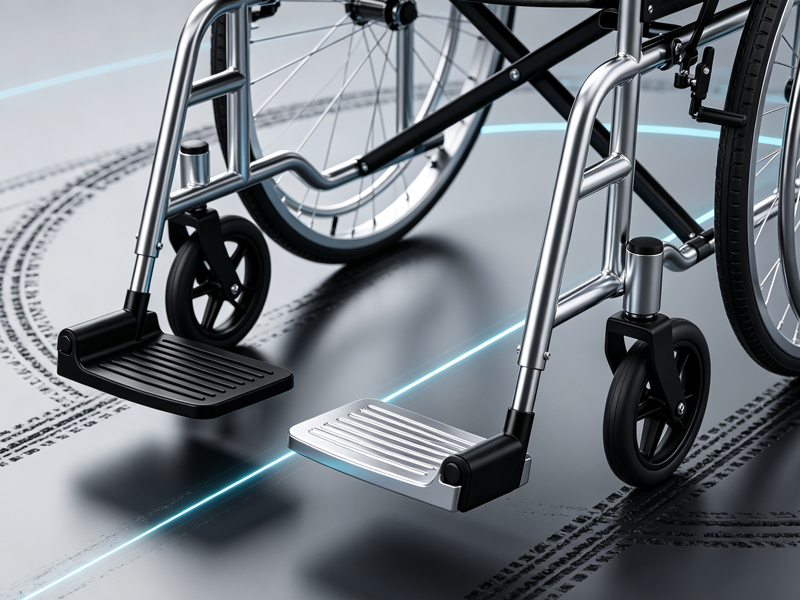
Even after deciding between plastic and metal, there are a few details you should never overlook.
A footplate that is made from the right material can still be unsuitable if it does not fit the wheelchair or support the user’s positioning requirements.
1. Check wheelchair compatibility
Not every footplate fits every wheelchair. Different manufacturers use different mounting systems, bracket designs, dimensions, and attachment mechanisms.
Before purchasing, confirm the wheelchair brand and model, the footrest assembly type, and the mounting specifications.
2. Measure the footplate dimensions
The platform should provide enough room for the user’s feet without creating unnecessary interference with the wheelchair frame or surrounding components.
Check the width, depth, and available adjustment range.
3. Consider adjustable footplate height
Proper footplate height is essential for comfortable positioning.
When the footplates are too high, pressure may develop beneath the thighs. When they are too low, the feet may drag against the floor or hang in an uncomfortable position.
A qualified wheelchair professional can help assess the appropriate position, particularly for users with complex seating needs.
4. Look at the surface design
A non-slip texture can help keep the feet in place. Raised edges and compatible heel loops may also be useful for some users.
However, accessories should not restrict circulation or create pressure points.
5. Check weight capacity and manufacturer specifications
Never assume that all plastic or metal footplates have the same load capacity.
Check the manufacturer’s rated specifications and make sure the component is approved for the intended wheelchair and user.
6. Consider replacement availability
Some wheelchair models use proprietary footplate assemblies. Before purchasing a replacement, check whether the component is readily available and whether replacement hardware is included.
This can save time and avoid compatibility problems later.
So, which is better: plastic or metal wheelchair footplates?
The most practical answer is that plastic is often better for lightweight, affordable everyday use, while metal is generally better for demanding applications where structural strength and long-term durability are priorities.
Plastic footplates offer several attractive benefits. They are lightweight, affordable, resistant to rust, and often comfortable to the touch. For standard wheelchair use, a high-quality plastic design can provide dependable support without unnecessary expense.
Metal footplates, especially aluminum models, are appealing because of their rigidity, strength, and resistance to repeated mechanical stress. They are often a worthwhile investment for users who rely on their wheelchairs throughout the day.
However, material alone should never determine the final decision.
The best wheelchair footplate is one that fits the wheelchair correctly, supports the user’s feet comfortably, meets the required load specifications, and suits the conditions in which the wheelchair is used.
If you are replacing an existing footplate, start by checking compatibility and dimensions. Then compare material quality, surface design, adjustability, and overall construction.
A well-designed footplate, whether plastic or metal, can contribute to a more comfortable and practical wheelchair experience.
1. Are metal wheelchair footplates stronger than plastic ones?
Generally, yes. Aluminum and steel footplates usually offer greater structural rigidity and resistance to demanding mechanical stress than standard plastic models. However, high-quality reinforced plastic can also provide reliable support for everyday wheelchair use. The actual strength depends on the material grade, design, manufacturing quality, and specified load capacity.
2. Do plastic wheelchair footplates break easily?
Not necessarily. Good-quality plastic footplates are designed to withstand normal everyday use. However, prolonged exposure to environmental conditions, repeated impacts, excessive loading, and material aging may eventually cause cracks or deformation. Regular inspection is important, and damaged footplates should be replaced rather than continued in use.
3. Are aluminum wheelchair footplates better than plastic footplates?
Aluminum footplates can be a better choice for users who prioritize durability, rigidity, and long-term performance. They are also lighter than many steel alternatives. Plastic footplates, however, are often more affordable, lightweight, and comfortable in colder environments. The best option depends on the user’s mobility needs, wheelchair model, usage frequency, and budget.