Our Location
Free Trade Tower, Xiyong street.
Chongqing, China

Free Trade Tower, Xiyong street.
Chongqing, China
The global demand for mobility equipment continues to expand as healthcare systems, rehabilitation centers, aged-care providers, and homecare distributors seek dependable wheelchair solutions for growing patient populations. For importers and brand owners, choosing the right manufacturing partner is no longer only about price—it is about long-term supply security, product quality, regulatory readiness, and the ability to meet changing market demand.
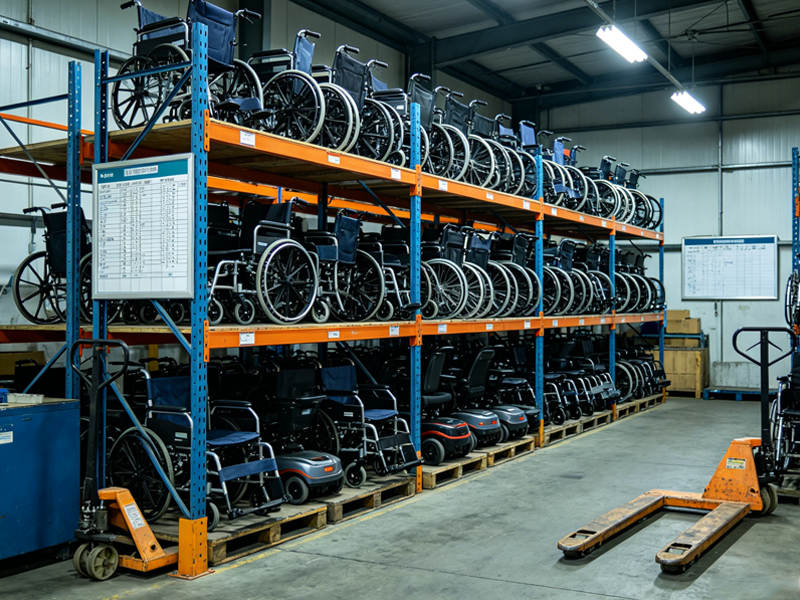
One of the clearest signs of a mature wheelchair manufacturer is dual product capability: the ability to produce both manual wheelchairs and electric wheelchairs under one integrated manufacturing system.
Factories that successfully manage both product categories usually demonstrate stronger engineering depth, better quality control systems, broader production resources, and greater experience in serving international markets.
For overseas buyers searching terms such as wheelchair manufacturer, manual wheelchair supplier, power wheelchair factory, or OEM wheelchair exporter, this dual capability can be a decisive advantage.
Among manufacturers operating in this space, Iyasocare stands out as a professional supplier combining manual wheelchair production, power mobility solutions, OEM customization, and export-oriented service for global partners.
Not every wheelchair factory can build both manual and electric models efficiently.
Many manufacturers specialize in only one category because each requires different technical systems, production processes, testing standards, and engineering knowledge.
A company that manufactures both categories successfully often operates at a higher industrial level.
Manual wheelchairs may appear simpler, but quality production depends on advanced mechanical engineering. Every frame must deliver stability, comfort, safety, and long-term durability while remaining lightweight and easy to transport.
Core production requirements include:
Hospitals and care institutions often prioritize manual wheelchairs that are easy to store, easy to clean, and reliable for repeated daily use.
Power wheelchairs involve a completely different level of manufacturing integration.
Beyond the frame, factories must manage:
This means a factory producing electric wheelchairs must combine mechanical manufacturing with electronics expertise, battery management knowledge, and product safety engineering.
When one supplier can deliver both manual and electric wheelchairs at scale, it usually signals stronger operational maturity.
For distributors and importers, supplier consolidation creates real commercial benefits.
Instead of purchasing manual wheelchairs from one factory and electric wheelchairs from another, buyers can streamline procurement through a single qualified partner.
1. Unified Quality Standards
A single manufacturer can apply consistent inspection procedures, material standards, and production controls across all wheelchair categories.
2. Lower Procurement Complexity
Managing one supplier reduces communication delays, paperwork duplication, and sourcing risk.
3. Easier Documentation Management
Importers need product certifications, test reports, packaging details, HS codes, manuals, and shipping documentation. One supplier simplifies this process.
4. Better Pricing Through Volume
Combined annual purchasing volumes often improve commercial terms.
5. Faster Product Expansion
Distributors can add new wheelchair categories quickly without restarting supplier qualification processes.
This is especially valuable for growing healthcare brands expanding from standard wheelchairs into powered mobility products.
When international buyers evaluate wheelchair manufacturers, brand visibility alone is not enough.
Professional sourcing teams focus on operational fundamentals.
Medical mobility products often require market-specific approvals and documented quality systems.
Common expectations may include:
Manufacturers serving export markets need strong document control and experience supporting customs clearance and local registration.
Large buyers need predictable supply.
Important questions include:
Without production discipline, even a low-price supplier can become expensive through delays and defects.
Many importers build their own local brand rather than resell factory names.
A capable OEM wheelchair manufacturer should offer:
This allows distributors to build long-term brand value in their own markets.
Despite growth in powered mobility, manual wheelchairs continue to represent a large share of international demand.
Reasons include:
Popular export models often include:
For many healthcare tenders and wholesale programs, manual wheelchairs remain the volume category.
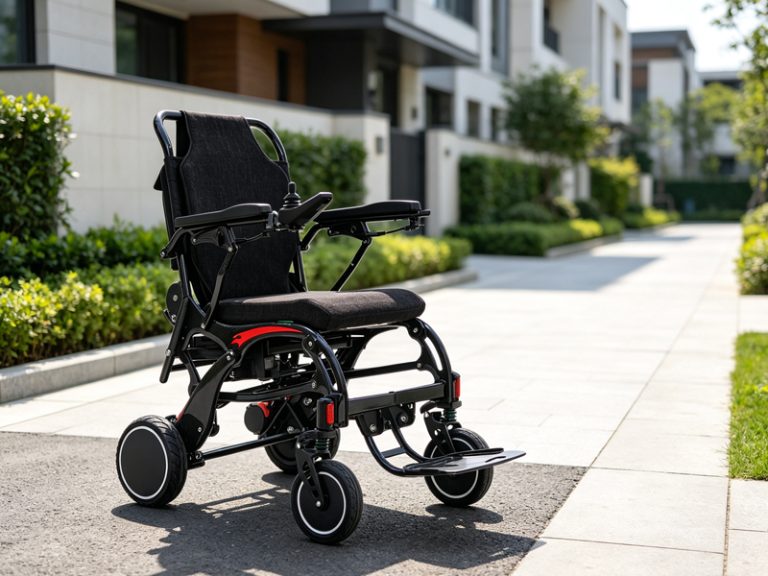
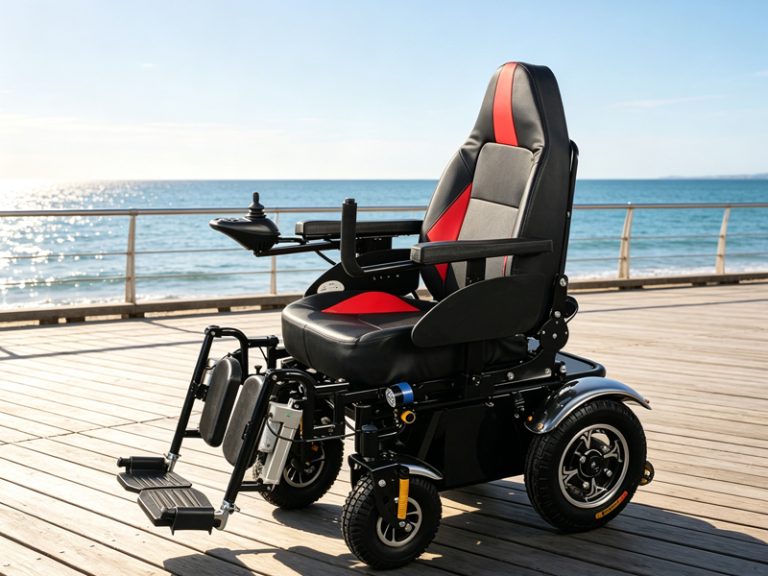
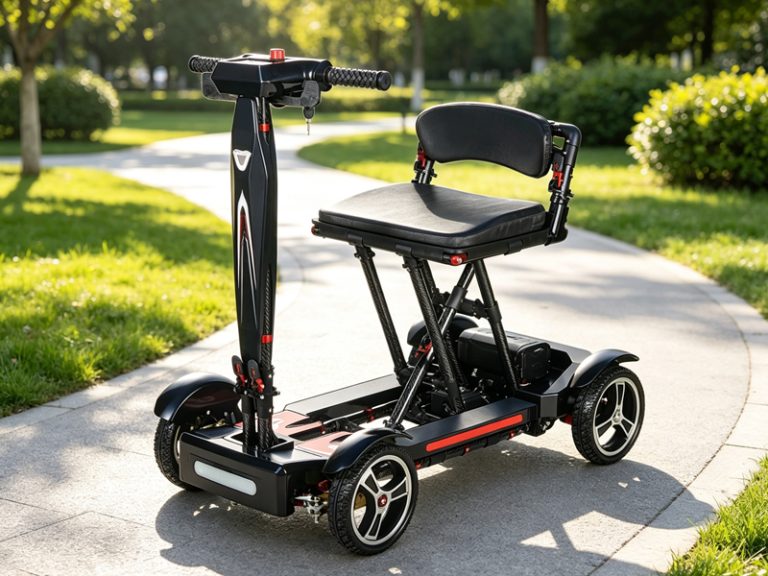
Power wheelchairs are expanding rapidly due to aging populations, increased independence needs, and homecare market growth.
Demand is rising in:
Buyers increasingly request features such as:
As margins are often stronger than standard manual products, many distributors now add electric wheelchair lines to improve profitability.
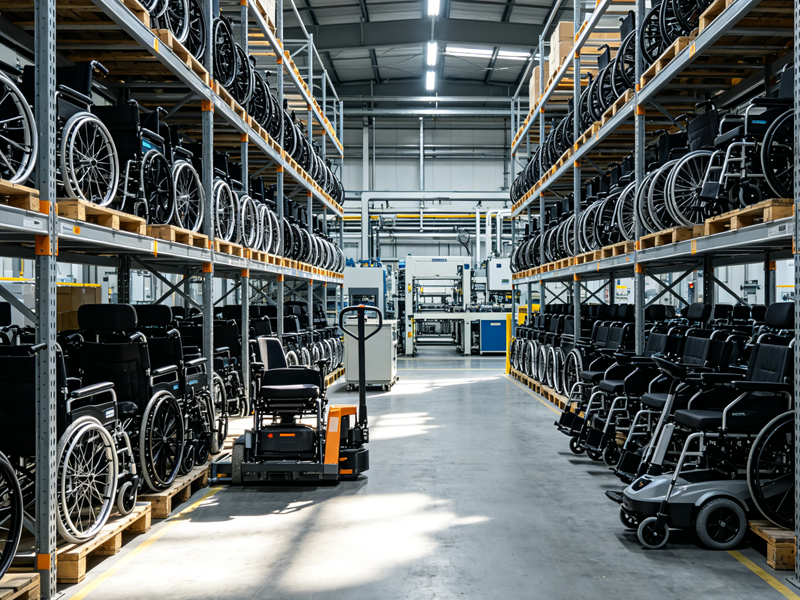
For global importers seeking long-term growth, integrated suppliers are increasingly preferred.
Iyasocare operates with an export-focused model designed for international wheelchair buyers who need more than just products.
Its strengths include:
This structure helps distributors scale product lines without managing multiple fragmented factories.
The wheelchair market is evolving beyond traditional product categories.
Future trends include:
Manufacturers with both manual and electric expertise are better positioned to adapt as these trends accelerate.
That makes dual-capability suppliers more valuable over time.
Choosing a wheelchair manufacturer for export business is a strategic decision.
The best partners are not always the loudest brands or the cheapest quotations. They are the suppliers with real manufacturing discipline, engineering depth, stable production systems, and the ability to support international buyers over many years.
Factories that produce both manual wheelchairs and electric wheelchairs usually represent a higher level of industrial competence. They offer buyers greater flexibility, lower sourcing complexity, and stronger long-term supply confidence.
For distributors, healthcare wholesalers, importers, and private-label brands looking to grow in the global mobility sector, Iyasocare provides an integrated solution built around product diversity, export readiness, and dependable cooperation.
In a competitive global market, the right supplier does more than ship wheelchairs—it helps build your business.