Our Location
Free Trade Tower, Xiyong street.
Chongqing, China

Free Trade Tower, Xiyong street.
Chongqing, China
Growing older does not mean giving up independence. For many seniors, the right mobility equipment can make everyday life easier, safer, and far more enjoyable. A short walk to the kitchen, a visit to the garden, shopping with family, or attending community events can remain part of daily life when movement is supported properly. That is why walkers and related mobility aids have become essential tools for millions of older adults worldwide.
Choosing the most suitable walker mobility equipment for seniors is not as simple as buying the first model available online. Every person has different physical needs, balance levels, strength, living environments, and lifestyle goals. Some seniors need light support while recovering from surgery. Others require more stable assistance for long-term mobility challenges. Some want a compact indoor walker, while others need an outdoor rollator with larger wheels and built-in seating.
Mobility is closely connected to quality of life. When walking becomes difficult, many seniors begin limiting movement without realizing it. They may avoid stairs, skip social outings, reduce exercise, or stay seated for long periods. Over time, that can lead to weaker muscles, reduced balance, loneliness, and greater health risks.
A well-designed walker helps solve several problems at once. It offers physical support, improves confidence, reduces fall risk, and encourages regular movement. Instead of depending on others for every task, seniors can often continue doing many daily activities independently.
The psychological benefits are just as important as the physical ones. Confidence changes everything. A senior who feels steady and secure is more likely to remain active, maintain routines, and participate in family life. That is why mobility equipment should never be viewed as “giving up.” In many cases, it is the tool that allows independence to continue.
Before buying, it helps to understand the major categories of walker mobility equipment. Each serves a different purpose, and selecting the wrong type can create discomfort or even safety issues.
Standard Walkers
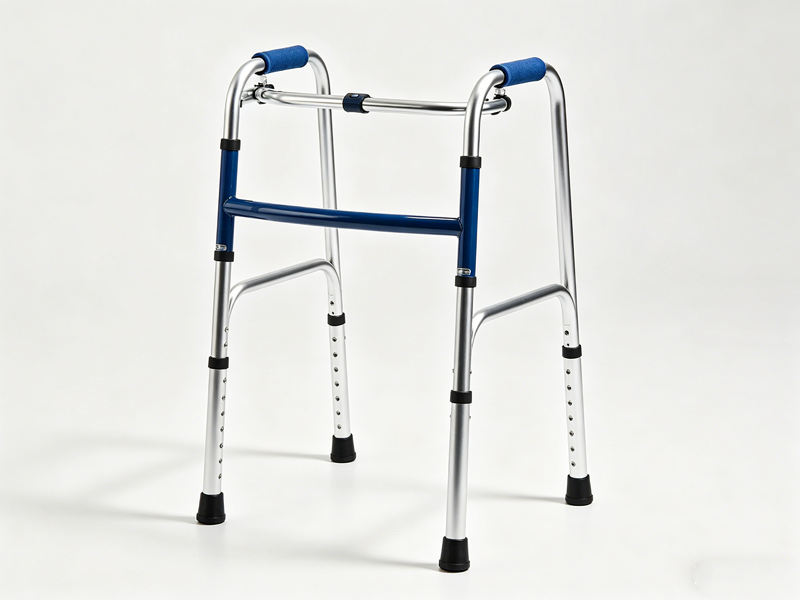
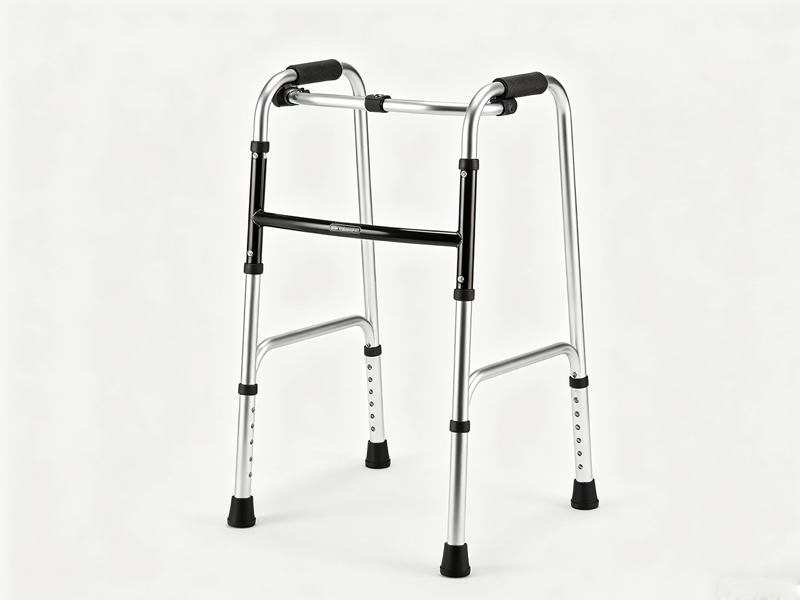
A standard walker has four legs with rubber tips and no wheels. It must be lifted slightly with each step. This type offers excellent stability and is often recommended after surgery, injury recovery, or for users who need maximum balance support.
Because it requires lifting, it may not be ideal for seniors with weak arms, arthritis, or low upper-body strength. However, for slow, controlled movement indoors, it remains one of the safest options available.
Two-Wheel Walkers
These models have wheels on the front legs and fixed rubber tips on the back legs. They slide more easily than standard walkers while still offering strong control. They are a good middle-ground option for seniors who need stability but find lifting a standard walker tiring.
Many physical therapists recommend two-wheel walkers for users transitioning from full support toward greater mobility.
Rollator Walkers
Rollators typically include four wheels, hand brakes, handlebars, and a built-in seat. They are among the most popular walkers for active seniors because they move smoothly and require less effort than traditional walkers.
Rollators are ideal for shopping, outdoor walks, travel, and users who may need occasional seated rest. However, they require enough hand strength to use brakes safely and enough coordination to control movement.
Heavy-Duty or Bariatric Walkers
These walkers are designed with reinforced frames, wider seating, and higher weight capacities. They provide stronger structural support and more room for comfort. For larger users, choosing a bariatric model is not optional—it is essential for safety and durability.
Specialty Walkers
Some seniors may need posture walkers, upright rollators, hemi walkers for one-sided weakness, or ultra-light travel walkers. These specialized products can dramatically improve comfort when standard models are not suitable.
No single walker is best for everyone. The right choice depends on matching the equipment to the person’s body, environment, and daily routine.
Balance and Stability Needs
If the senior has frequent balance loss, dizziness, weakness after surgery, or a history of falls, a more stable model is usually better. Standard walkers or two-wheel walkers often provide greater control than four-wheel rollators.
If balance is moderate and the user remains active, a rollator may offer better mobility and convenience.
Indoor or Outdoor Use
Think about where the walker will be used most often. Indoors, narrow hallways, rugs, bathroom doors, and furniture spacing matter. A lightweight compact walker may be best.
For outdoor use, larger wheels handle sidewalks, cracks, uneven surfaces, and pavement more smoothly. If walking outdoors is important, choose durable wheels and a stable braking system.
User Strength and Grip Ability
Some seniors have arthritis, hand pain, or limited grip strength. In these cases, difficult brakes or heavy frames can become frustrating fast. Ergonomic handles, lighter materials, and easy-squeeze brakes make a meaningful difference.
Height and Fit
Improper walker height is one of the most common mistakes. If too low, the user bends forward and strains the back. If too high, shoulder tension increases and control decreases.
The best walker allows the elbows to bend slightly while standing upright with hands resting naturally on the grips.
Lifestyle Goals
A senior who mainly moves from bedroom to kitchen needs something very different from someone who enjoys parks, travel, shopping centers, and community events. Buying based on real habits—not idealized plans—leads to better satisfaction.
Many walker buyers focus only on price. In reality, usability features determine long-term value far more than the initial cost.
Lightweight but Strong Frame
Aluminum walkers are popular because they balance durability with lighter weight. Heavy steel models may be stronger but can be difficult to lift into vehicles or move around the home.
Comfortable Handles
Soft ergonomic grips reduce hand fatigue and pressure points. This is especially valuable for seniors with arthritis or nerve sensitivity.
Reliable Brakes
For rollators, brakes must engage smoothly and hold firmly when seated. Weak or inconsistent brakes should be avoided.
Adjustable Height
Height-adjustable handles or legs are essential. A walker that cannot fit the user properly may create posture problems and discomfort.
Foldable Design
A folding walker is easier to store, transport, and travel with. Families often underestimate how important this becomes until the first doctor appointment or holiday trip.
Seat and Backrest
For rollators, a padded seat and supportive backrest can transform outdoor confidence. Seniors are more likely to walk longer distances when rest is available.
Storage Basket or Bag
Carrying items while using a walker can be unsafe. A built-in storage pouch, basket, or under-seat bag allows hands to remain where they belong—on the walker.
Rather than asking “What is the best walker?” a better question is “Best for whom?” Here are common scenarios.
Best for Frail Seniors with High Fall Risk
A standard walker or two-wheel walker often works best. Stability matters more than speed. Lightweight frames help reduce fatigue.
Best for Active Independent Seniors
A four-wheel rollator with seat, brakes, and medium-to-large wheels offers convenience and freedom for errands, parks, and social life.
Best for Seniors with Arthritis
Look for padded ergonomic grips, easy hand brakes, low rolling resistance, and lightweight frames. Comfort becomes critical.
Best for Travel
Choose compact foldable rollators or ultra-light walkers that fit in car trunks and store easily on flights or cruises.
Best for Tall or Heavy Users
Use bariatric or extended-height models with proper sizing. Standard products may feel unstable or uncomfortable.
Best for Indoor Apartments
A narrow compact walker with smooth maneuverability works best in tight living spaces.
Families often buy mobility equipment in a rush after surgery, hospitalization, or a fall. That urgency is understandable, but it can lead to poor decisions.
One common mistake is choosing the cheapest product available. Low-cost walkers may have weak brakes, uncomfortable grips, poor wheel quality, or short lifespans. Replacing a bad walker later often costs more than buying quality from the start.
Another mistake is selecting a rollator when the user lacks coordination or brake control. Rollators move easily, which is helpful for some users but unsafe for others.
Buying without measuring doorway widths, hallway space, or car trunk dimensions is another frequent issue. A walker that does not fit daily life quickly becomes unused equipment.
Many people also ignore professional guidance. A physician, occupational therapist, or physical therapist can often recommend the safest walker type based on actual mobility needs.
Even the best mobility equipment requires correct use. Safety habits matter.
Walkers should always be adjusted to proper height before use. Seniors should walk inside the frame rather than too far behind it. On rollators, brakes should be locked before sitting down or standing up. Loose rugs, cords, clutter, and wet floors should be removed from walking paths at home.
Shoes also matter. Slippers without grip, loose sandals, or socks on smooth floors increase fall risk significantly.
Regular maintenance is often overlooked. Wheels, brake cables, rubber tips, folding joints, and frame screws should be checked routinely.
If dizziness, pain, or sudden weakness occurs while walking, the user should stop immediately and seek medical advice rather than “pushing through.”
Some families focus only on safety, but comfort strongly affects whether a senior actually uses the walker consistently.
If handles hurt the hands, the walker may stay parked in a corner. If the seat is hard and narrow, outdoor walks become shorter. If the walker rattles loudly, feels unstable, or is hard to turn, confidence drops quickly.
The best mobility equipment is not just technically functional—it feels natural, reassuring, and easy to live with every day.
That is why test use, when possible, is so valuable. Even two models with similar specifications can feel completely different in real life.
Mobility equipment is not only about movement from place to place. It can support healthy aging in broader ways.
Regular walking helps circulation, joint flexibility, muscle retention, digestion, sleep quality, and mood. Safe movement can reduce isolation because seniors remain able to attend appointments, meet friends, and participate in family events.
In many cases, the right walker helps delay the need for more dependent care arrangements. That makes it valuable both emotionally and financially.
A senior who continues moving safely often remains stronger longer than one who stops moving due to fear.
Caregivers should think practically. Can the walker fit in the car? Is it easy to fold? Will it be used upstairs or downstairs? Does the user have enough hand strength for brakes? Is the home cluttered or narrow?
They should also involve the senior in the decision whenever possible. People are more likely to use equipment they helped choose.
Style may seem secondary, but it matters. Many modern walkers come in attractive finishes and more refined designs. When a walker feels less “medical,” some users feel more comfortable using it publicly.
A walker is an excellent solution for many seniors, but not every mobility challenge can be solved with one.
If the user cannot safely bear weight, has severe cognitive confusion, repeatedly forgets brake use, experiences frequent collapses, or has advanced neurological decline, other mobility solutions may be safer.
That may include wheelchairs, transport chairs, scooters, supervised therapy, or home modifications. A healthcare professional should guide these decisions.
The goal is always the same: maximum independence with realistic safety.
Quality walkers can last for years when maintained properly.
Keep the frame clean and dry. Tighten loose screws when needed. Replace worn rubber tips promptly. Check wheel alignment and remove debris from wheel housings. Store indoors when possible. Avoid overloading storage baskets with heavy items.
For rollators, inspect brake responsiveness regularly. If brakes feel loose or uneven, servicing should happen immediately.
Like any daily-use equipment, small maintenance prevents larger problems.
The most suitable walker mobility equipment for seniors is not simply the one with the best price tag or most online reviews. It is the model that matches real needs, fits safely, feels comfortable, and encourages daily movement.
For some seniors, that means a highly stable standard walker used indoors. For others, it means a stylish rollator that makes shopping trips and outdoor walks enjoyable again. The correct choice restores confidence as much as mobility.
Families should view walker selection as an investment in independence, health, and dignity. When chosen thoughtfully, the right walker does more than support steps—it supports lifestyle, connection, and self-reliance.
Growing older brings changes, but losing freedom does not have to be one of them. With the right mobility equipment, many seniors continue living actively, safely, and on their own terms.