Our Location
Free Trade Tower, Xiyong street.
Chongqing, China

Free Trade Tower, Xiyong street.
Chongqing, China
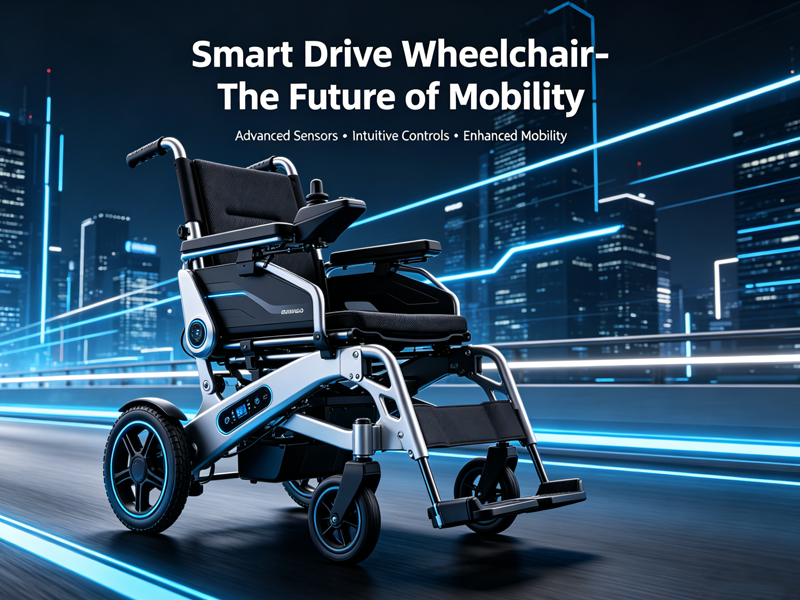
Mobility technology has changed dramatically in the last decade, but few innovations have had the same practical impact as the Smart Drive wheelchair system. For wheelchair users who want greater independence without switching to a bulky power chair, Smart Drive offers a modern solution that blends power assistance, portability, and real-world convenience.
Instead of replacing a manual wheelchair, Smart Drive enhances it. That difference matters. Many users prefer the lightweight feel, maneuverability, and flexibility of a manual chair—but pushing all day can lead to fatigue, shoulder strain, and limited travel distance. Smart Drive bridges that gap by adding intelligent power assist when needed, helping users move farther with less effort.
Whether you are researching options for yourself, a family member, or a client, understanding how Smart Drive works can help you decide if it is the right mobility upgrade. This guide explores the benefits, features, daily use cases, maintenance considerations, and buying tips that matter most.
Traditional manual wheelchairs remain essential for millions of people worldwide. They are lightweight, efficient, and easier to transport than many powered alternatives. However, long-term propulsion often comes with physical costs.
Repeated pushing can cause:
The Smart Drive system was designed to solve these issues without forcing users to abandon the manual chair they already love.
Mounted to the rear of a compatible wheelchair, Smart Drive uses a compact motorized drive unit to provide forward propulsion. With simple controls—often through wearable devices or app integration—the user can activate assistance and glide with less effort.
This combination of manual wheelchair freedom + powered support is exactly why the Smart Drive wheelchair category continues to grow in popularity.
A Smart Drive wheelchair usually refers to a manual wheelchair equipped with a Smart Drive power assist device. It is not a separate wheelchair model in most cases. Instead, it is an add-on propulsion system that attaches to many rigid or folding manual chairs.
Once installed, the motor engages to help move the wheelchair forward. Users can still steer manually while the system handles much of the pushing effort.
Think of it as adding electric assistance to a bicycle. You still control direction and movement, but the strain is dramatically reduced.
This concept appeals to users who want:
The best technology feels natural. That is one reason Smart Drive has earned such strong user interest.
The system generally includes:
After activation, the drive assists forward motion. Users can control speed, stop the unit, or disengage power when they prefer manual pushing.
Many people focus on speed when discussing mobility devices, but the real value is often energy conservation.
For wheelchair users, physical energy is valuable. If pushing drains all available energy early in the day, other priorities suffer:
Smart Drive helps preserve that energy. Users often report they can do more in a single day simply because less effort is spent on propulsion.
That shift can feel life-changing.
A common question is whether to choose Smart Drive or move directly to a powered wheelchair.
The answer depends on lifestyle, strength, medical needs, and environment.
Smart Drive Advantages
Full Power Wheelchair Advantages
For many users, Smart Drive fits the middle ground perfectly: enough assistance to stay independent, without the size and transport challenges of a larger powered chair.
The system is especially valuable for users who can propel manually but experience fatigue, pain, or endurance limits.
Common user groups include:
Active Adults
Professionals, travelers, students, and parents who need reliable mobility across long days.
Users With Shoulder Pain
Long-term wheelchair use can create repetitive stress injuries. Power assist reduces push frequency and force.
People With Progressive Conditions
Users managing energy decline may prefer gradual support rather than immediately transitioning to full power mobility.
Athletes and Outdoor Users
Those who enjoy staying active often appreciate keeping a manual chair with extra support when needed.
Older Wheelchair Users
As strength changes over time, Smart Drive can extend independent manual wheelchair use.
One overlooked benefit of Smart Drive is that users can choose how much assistance they want.
Some days may require full support. Others may feel easy enough for manual propulsion.
That flexibility matters because mobility needs are not static. Weather, pain levels, sleep quality, travel demands, and terrain all change day to day.
A device that adapts to the user—not the other way around—creates better long-term satisfaction.
Large mobility equipment can sometimes create barriers in transportation, storage, and accessibility. Smart Drive gained attention partly because it is comparatively compact.
Depending on setup and wheelchair model, users often find it easier than transporting a traditional power chair.
This matters for:
For users who value a streamlined lifestyle, compact design is a major advantage.
Upper-limb injuries are common among long-term wheelchair users. Repetitive pushing places significant stress on:
Once pain develops, everyday movement becomes harder. Prevention is far better than recovery.
Smart Drive can help reduce cumulative strain by decreasing the number and intensity of pushes required during the day.
For many occupational therapists and rehab professionals, this preventative angle is one of the strongest reasons to consider power assist early rather than waiting for injury.
Most users need an adjustment period. Like any mobility technology, there is a learning curve.
New users often practice:
With proper fitting and training, many users become comfortable quickly.
Professional setup is highly recommended. Correct mounting and user instruction can dramatically improve first impressions.
Independence is not just about movement. It is about choices.
Can you decide spontaneously to go out?
Can you accept invitations without worrying about fatigue?
Can you run errands alone?
Can you enjoy the destination after arriving there?
That is where Smart Drive often delivers its greatest value.
It gives users more control over how they spend energy, where they go, and how long they stay active.
That is real independence.
The benefits extend beyond the user.
Families often notice:
For caregivers, supporting autonomy while reducing physical demands can improve quality of life for everyone involved.
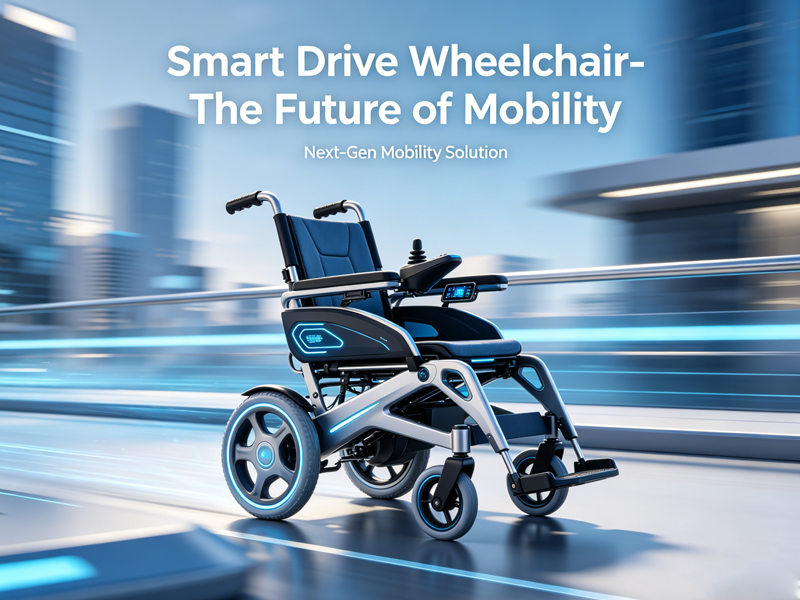
Across North America, Europe, Australia, and many other regions, power-assist wheelchair solutions are gaining momentum.
Why?
Because lifestyles are changing. People want mobility products that are:
The Smart Drive wheelchair trend aligns with all of these priorities.
For the right user, yes—absolutely.
If you already like your manual wheelchair but struggle with distance, hills, pain, or fatigue, Smart Drive can be one of the most practical upgrades available.
It may help you:
The value is not just in hardware. It is in the freedom it creates.
Mobility technology works best when it disappears into everyday life. Smart Drive succeeds because it does exactly that.
It does not ask users to give up the control and identity of a manual wheelchair. Instead, it quietly adds strength where strength is needed most.
For professionals, students, travelers, parents, and long-term wheelchair users, that support can transform ordinary days.
The future of mobility is not always bigger machines or more complicated devices. Sometimes it is a simpler idea:
Keep what works. Add what helps.