Our Location
Free Trade Tower, Xiyong street.
Chongqing, China

Free Trade Tower, Xiyong street.
Chongqing, China
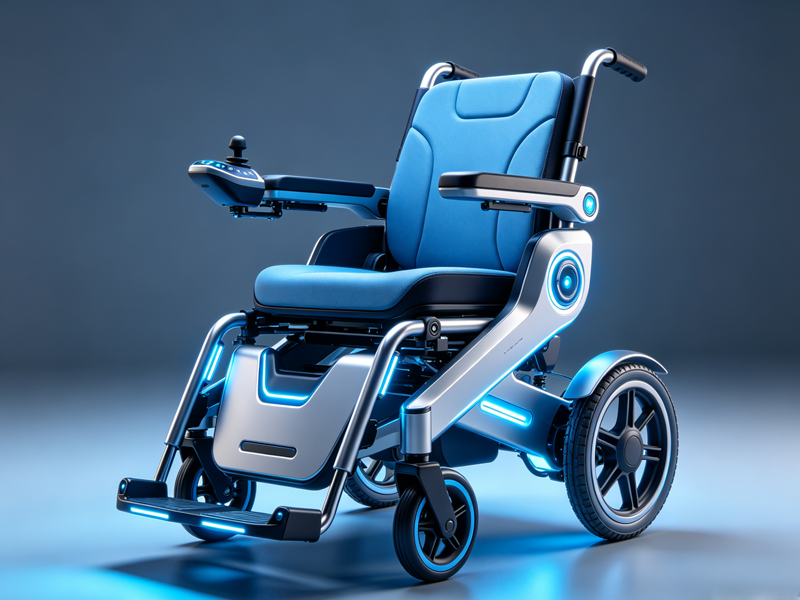
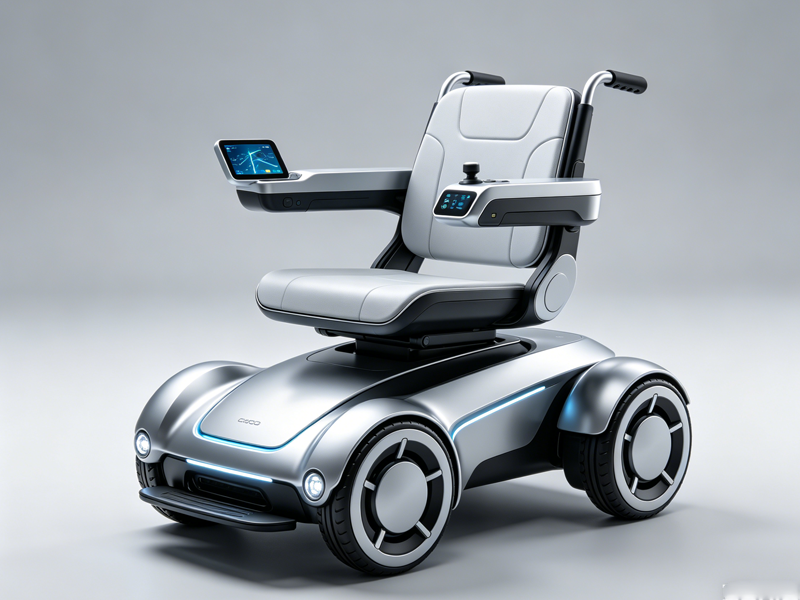
Mobility technology has entered a new era. Traditional powered wheelchairs once focused mainly on movement—forward, backward, turn, stop. Today, smart robotic wheelchairs are becoming intelligent personal mobility systems designed to think, adapt, and assist in real time. They combine robotics, sensors, AI-powered navigation, ergonomic engineering, and connected health tools to help users move more safely and live more independently.
For people with limited mobility, aging users, rehabilitation patients, and caregivers, this evolution is more than a technical upgrade. It can mean greater freedom, less physical strain, stronger confidence outdoors, and better quality of life at home.
Conventional manual and electric wheelchairs solve an essential need: mobility. But many users still face daily challenges such as:
Smart robotic wheelchairs are designed to reduce these barriers through automation, environmental awareness, and adaptive support systems.
Rather than simply reacting to joystick input, advanced models can detect surroundings, avoid collisions, maintain balance, assist with seating adjustments, and even learn user preferences over time.
The result is not just transportation—it is empowered mobility.
A powered wheelchair uses motors and batteries to move.
A smart robotic wheelchair adds layers of intelligence:
Think of it like the difference between a standard phone and a smartphone.
One of the most practical upgrades in robotic wheelchairs is obstacle awareness.
Using technologies such as:
the wheelchair can identify objects nearby and warn the user or automatically adjust movement.
Everyday Benefits
For first-time powered wheelchair users, this feature can dramatically improve confidence.
Some advanced smart wheelchairs can move semi-independently.
Users may select a destination, and the chair helps guide itself there while avoiding obstacles. In hospitals, airports, rehabilitation centers, and senior communities, this can be especially useful.
Common Use Cases
This feature does not replace the user—it supports them.
Not every user can operate a standard joystick comfortably. That is why premium robotic wheelchairs often support multiple control options.
Control Methods Include
This flexibility allows users with different physical abilities to maintain independence.
For people with progressive conditions, adaptable controls are especially valuable because needs may change over time.
Voice command features are becoming increasingly useful, especially for users with limited hand strength.
Examples include:
Some systems integrate with smart home ecosystems, allowing users to control doors, lights, and appliances directly from the wheelchair interface.
That turns the wheelchair into a central independence hub.
Outdoor mobility often determines whether a wheelchair feels limiting or liberating.
Smart robotic wheelchairs now include suspension systems and terrain-response software that improve stability across:
Why It Matters
Without proper terrain management, users experience:
Suspension and intelligent traction systems help deliver smoother, safer travel.
Long hours in a wheelchair demand more than mobility—they require proper seating.
Modern smart wheelchairs may include powered adjustments such as:
Benefits
For users who remain seated many hours daily, this feature can be essential rather than optional.
Some robotic wheelchair models support standing assistance.
With the push of a button, users can shift into a supported standing position.
Real-Life Advantages
Standing capability should always be evaluated with clinical guidance, but for many users it is life-changing.
Battery technology strongly influences wheelchair satisfaction.
A smart robotic wheelchair often includes:
What Buyers Should Look For
A wheelchair with advanced features but weak battery planning creates frustration quickly.
Connected mobility is one of the fastest-growing categories.
Mobile apps may allow users or caregivers to:
For families and care teams, remote insights can reduce stress and improve safety.
Smart wheelchairs increasingly include proactive safety tools.
Examples
These features are particularly useful for users who travel independently.
The biggest value of a robotic wheelchair is not technical sophistication—it is daily freedom.
Freedom to:
Technology should feel invisible. When designed well, it simply removes friction from life.
Caregivers often assist with pushing, transfers, route management, charging, and monitoring safety.
Smart features can reduce strain by helping with:
That can improve quality of life for both user and caregiver.
Mobility is deeply connected to mental health.
When movement becomes easier, users often report:
The emotional impact of mobility should never be underestimated.
These wheelchairs can benefit many users, including:
Older adults wanting safe mobility at home and outdoors.
Such as multiple sclerosis, cerebral palsy, spinal cord injuries, muscular dystrophy, or stroke recovery.
Those needing comfort, posture support, and all-day usability.
Temporary or transitional users needing adaptive support.
People who travel, work, commute, and want more capability.
Buying based on features alone is a mistake. The best model depends on lifestyle fit.
Ask:
Your routine should guide the specification.
Never assume a joystick is enough.
Evaluate:
A future-proof control system can save expensive upgrades later.
Many buyers focus on style and speed first.
But long-term satisfaction usually comes from:
Comfort affects every hour of use.
Ask sellers:
Excellent hardware with poor support can become unusable.
Cheap mobility equipment can become expensive through repairs, discomfort, or replacement.
If autonomous navigation is never needed, focus budget elsewhere.
Measure:
Always test responsiveness, seating comfort, and maneuverability.
The next generation is likely to include:
Systems that learn driving habits, seating preferences, and common routes.
Integrated tracking for heart rate, posture pressure, fatigue signals, or respiratory metrics.
Automatic doors, elevators, appliances, and home navigation sync.
Safer path planning across sidewalks, crossings, and urban environments.
Carbon fiber and aerospace-grade frames reducing transport weight.
For many users, yes—if the features solve real mobility problems.
Worthwhile investments often happen when users need:
If someone only needs occasional short indoor mobility, a simpler powered wheelchair may be sufficient.
The right answer depends on daily needs, not marketing claims.
Before purchasing, confirm these points:
✔ Comfortable after 30+ minutes seated
✔ Easy control system
✔ Safe turning radius indoors
✔ Stable outdoors on ramps
✔ Adequate battery range
✔ Good warranty and support network
✔ Proper cushion/posture fit
✔ Fits home entrances and transport needs
✔ Trialed by actual user
✔ Future needs considered
Smart robotic wheelchairs represent one of the most meaningful advances in assistive technology today. They combine mobility, safety, ergonomics, and digital intelligence into a system built around human independence.
The best models do not feel robotic. They feel natural, supportive, and empowering.
For users, families, clinicians, and caregivers, the goal is not owning advanced technology—it is creating easier days, safer movement, and more freedom to participate fully in life.
When chosen carefully, a smart robotic wheelchair becomes more than equipment.
It becomes possibility.