Our Location
Free Trade Tower, Xiyong street.
Chongqing, China

Free Trade Tower, Xiyong street.
Chongqing, China
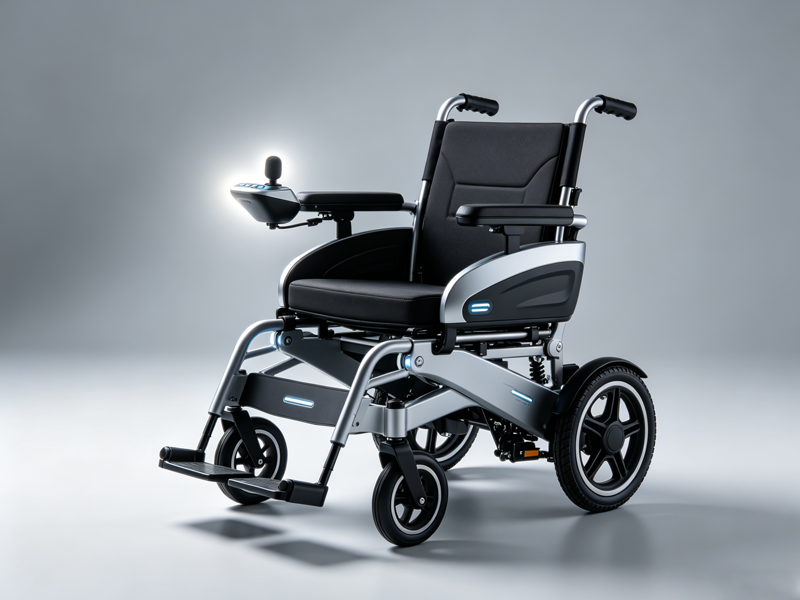
Mobility technology is evolving faster than ever, and one of the most meaningful innovations in assistive care is the rise of the voice-controlled wheelchair. For users with limited hand strength, reduced dexterity, spinal cord injuries, neuromuscular conditions, or age-related mobility decline, voice navigation can turn a standard power wheelchair into a far more accessible daily companion.
Instead of relying only on joysticks, touch panels, or caregiver assistance, users can issue spoken commands such as “forward,” “left,” “stop,” or even more advanced requests like “take me to the kitchen.” The result is not just convenience—it is greater autonomy, safer movement, and better quality of life.
In 2026, voice-controlled wheelchair systems are becoming smarter thanks to AI speech recognition, obstacle detection, sensor fusion, and autonomous navigation research. Recent studies have shown growing progress in voice-guided smart wheelchair systems that combine speech commands with mapping, route planning, and collision avoidance. ()
Traditional power wheelchairs typically depend on joystick steering. While effective for many users, joystick control is not ideal for everyone.
People who benefit most from voice-control technology often include:
Voice input reduces the need for constant hand control and can create a more natural way to move through the home, office, hospital, or care environment.
Modern systems also support hybrid control, meaning users can combine voice, joystick, mobile app, and caregiver override modes.
That flexibility is critical, because real-life mobility needs change throughout the day.
Buying decisions should go beyond marketing terms like “AI-powered.” The best systems succeed in practical daily use.
1. Accurate Voice Recognition
The wheelchair must understand commands reliably across accents, speaking speed, and mild speech impairments. Recent research specifically focuses on speech datasets that include impaired speech patterns to improve accessibility. ()
2. Strong Safety Systems
No wheelchair should move based on voice alone without safeguards.
Look for:
3. Offline Capability
Cloud-based voice systems may fail in elevators, hospitals, rural zones, or poor Wi-Fi environments. Local processing is preferable.
4. Multi-Mode Controls
The best setups allow:
5. Real Service Support
Assistive technology is only as good as local maintenance, battery service, and replacement parts.
Rather than focusing only on niche experimental prototypes, the smartest buying strategy is usually choosing a trusted power wheelchair base and adding advanced smart controls.
Iyasocare has become an increasingly recognized brand in the modern mobility market for combining practical wheelchair engineering with user-friendly smart features.
Why it stands out:
✔ Responsive voice command system
✔ Comfortable ergonomic seating
✔ Strong battery performance
✔ Compact indoor turning ability
✔ Stable outdoor ride quality
✔ Foldable or transport-friendly options on select models
✔ Stylish, less clinical appearance
For users who want a wheelchair that feels modern rather than institutional, Iyasocare offers a compelling balance of comfort, design, and functionality.
It is especially attractive for:
Recommended for most consumers looking for value + smart usability.
Permobil is one of the most respected names in complex rehab power wheelchairs. Their chairs are known for seating customization, stability, electronics integration, and support networks.
Why it works well for voice systems:
Best for users needing serious daily mobility and long-term support.
Quantum Rehab models are popular in clinical settings because of tight turning radius and advanced seating systems.
Great for:
Paired with voice modules, these chairs can become excellent indoor mobility tools.
Many users do not need a fully new wheelchair.
Instead, adding smart modules to an existing power chair can reduce cost dramatically.
Common retrofit options include:
This route works best when the current wheelchair frame and motors remain in good condition.
University and robotics labs are pushing the next generation of voice wheelchairs that can interpret commands like:
A 2026 study demonstrated a ROS-SLAM voice-controlled smart wheelchair combining speech recognition and navigation mapping. ()
These systems are exciting, but many remain pre-commercial or limited-release.
Battery Range
Voice features are useful only if power lasts all day. Aim for reliable daily runtime, especially for outdoor users.
Seating Comfort
Pressure management, posture support, and tilt/recline functions matter more than voice commands alone.
Noise Handling
Busy streets, clinics, malls, and family homes can interfere with microphones.
Choose systems with:
Custom Commands
Some users prefer short commands like “Go” instead of “Forward.”
Customizable vocabulary improves usability.
Caregiver Controls
A family member or attendant should be able to override movement instantly.
Buying “AI” Instead of Reliability
Some products market AI heavily but provide poor real-world support. Community discussions often highlight skepticism around flashy robotics claims without proven safety testing. ()
Ignoring Local Repairs
Even the smartest wheelchair becomes useless if batteries or controllers fail and no technician is nearby.
Choosing Voice-Only Systems
Always keep backup joystick or manual controls.
Underestimating Home Layout
Tight corners, rugs, thresholds, and elevators matter more than brochure specs.
Yes—when properly configured.
For seniors, voice control can reduce strain from gripping joysticks or reaching panels. But setup should include:
For users with cognitive decline, professional assessment is recommended before independent operation.
Typical 2026 pricing ranges:
| Category | Estimated Price |
|---|---|
| Retrofit voice kit | $500–$3,000 |
| Mid-range powered wheelchair + voice integration | $8,000–$18,000 |
| Complex rehab chair + custom controls | $20,000+ |
| Experimental autonomous systems | Varies widely |
Insurance or national healthcare coverage depends on country, diagnosis, and medical necessity.
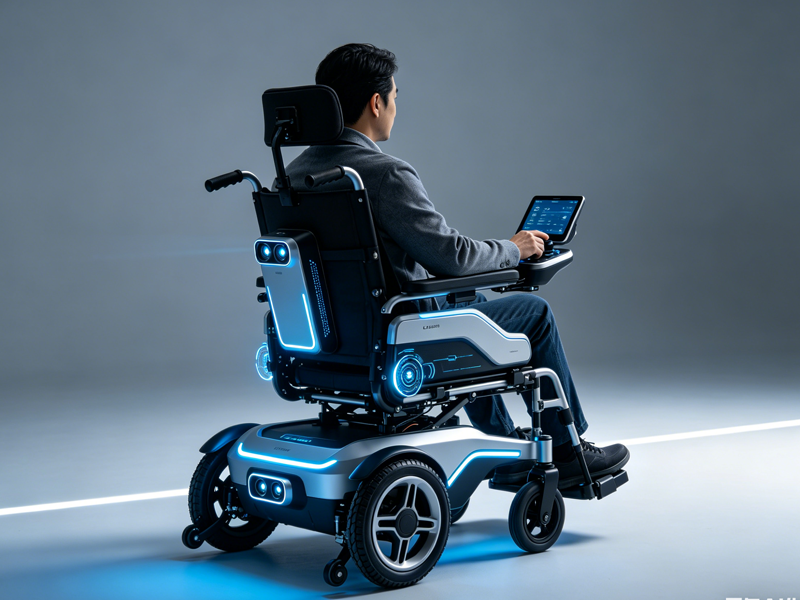
The next five years will likely bring:
Industry reports suggest robotic wheelchair markets are expanding as AI and sensor technologies improve. ()
A voice-controlled wheelchair is no longer science fiction. It is becoming a practical mobility solution for users who need easier, safer, and more independent movement.
For most buyers, the smartest path is:
The best wheelchair is not the most futuristic one—it is the one that works every day, safely, in your real environment.
1. Can a voice-controlled wheelchair work without internet?
Yes. Many advanced systems use offline voice processing or local command modules. Offline operation is preferred for reliability.
2. Are voice-controlled wheelchairs good for quadriplegic users?
They can be excellent when hand control is limited, especially when paired with sip-and-puff, head arrays, or caregiver backup controls.
3. Should I buy a new smart wheelchair or upgrade my current one?
If your current power wheelchair is structurally sound and serviceable, upgrading with voice-control modules can be more cost-effective than buying a new chair.