Our Location
Free Trade Tower, Xiyong street.
Chongqing, China

Free Trade Tower, Xiyong street.
Chongqing, China
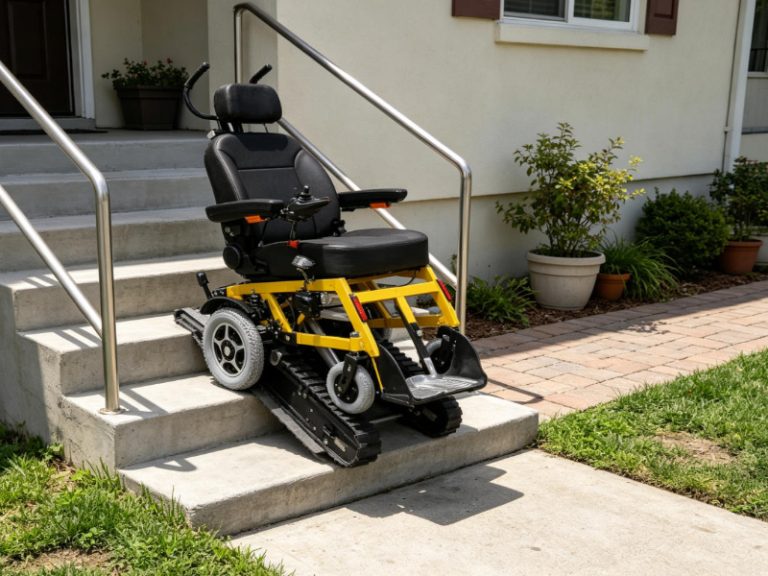
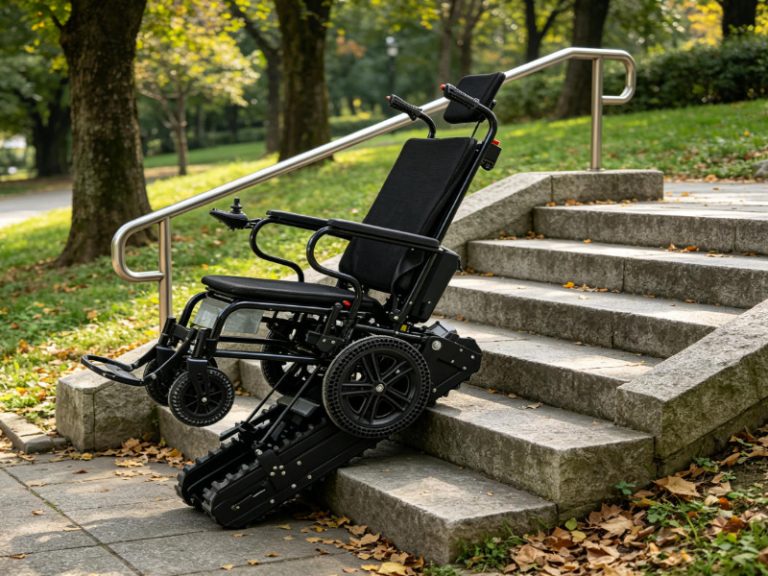
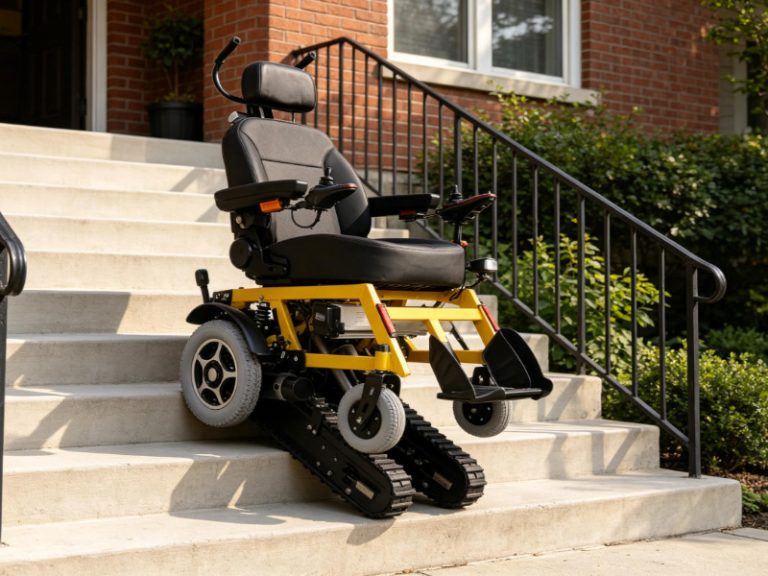
Mobility is at the heart of independence, health, and quality of life. For individuals with limited mobility, stairs can be a formidable barrier, often restricting access to essential spaces. Enter the standing stair climber—a remarkable innovation transforming the way people navigate multi-level environments. Unlike conventional wheelchairs, these devices are engineered to provide vertical movement, blending advanced mechanics with user-centric design.
Standing stair climbers are not just mobility aids; they are a gateway to independence, allowing users to engage fully in social, professional, and recreational life. Modern models are designed to be compact, lightweight, and highly maneuverable, making them suitable for both residential and commercial environments. With intuitive controls, ergonomic seating, and advanced safety features, these devices redefine the user experience.
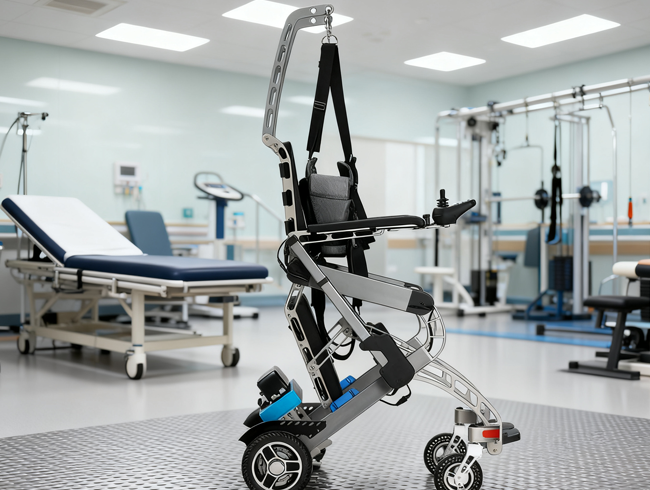
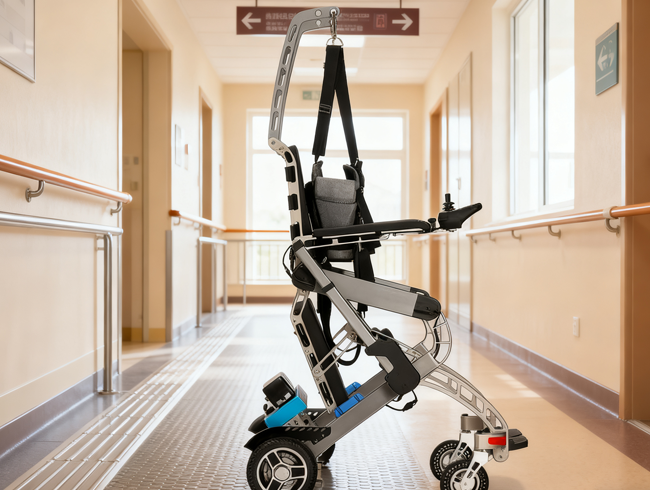
One particularly notable advancement in this category is the integration of standing functionality, exemplified by devices like the Electric Standing Wheelchair YSE310. This wheelchair goes beyond traditional stair-climbing by allowing users to transition seamlessly between sitting and standing positions. For those undergoing rehabilitation or seeking to maintain an active lifestyle, this feature promotes better circulation, strengthens muscles, and supports spinal health.
The core innovation of standing stair climbers lies in their mechanical and motorized systems. Most devices employ track-based or wheel-track hybrid systems that grip each step securely while maintaining stability. Sensors and automated balance systems ensure smooth operation, preventing tipping or abrupt movements.
The standing capability adds another layer of complexity. Devices like the YSE310 feature a robust aluminum frame that supports the user’s weight in both sitting and standing positions. Electromagnetic brakes ensure safety during stops, while high-capacity lithium batteries deliver extended range, making the device suitable for both indoor and outdoor use. A top speed of approximately 6 km/h and gradeability of 10° mean users can confidently navigate a variety of terrains.
While the primary function of standing stair climbers is to aid movement, the secondary benefits are profound. Users experience improved cardiovascular health, reduced pressure sores, and enhanced mental well-being from greater autonomy. Regular use can also aid in rehabilitation, as controlled standing and stair climbing engage core muscles and improve balance.
For caregivers, the advantages are equally significant. Ergonomically designed handles, lightweight frames, and intuitive controls reduce the risk of strain during transport and operation. Devices like the YSE310 are specifically engineered for ease of use, with simple one-touch controls, clear battery indicators, and adjustable speed settings.
Standing stair climbers are increasingly used in diverse environments:
Residential Buildings: Many multi-level homes are not equipped with ramps or elevators. Stair climbers offer a practical solution for everyday mobility.
Medical and Rehabilitation Centers: Patients recovering from surgery or injury can regain mobility safely under professional supervision.
Public Spaces: Museums, theaters, and transportation hubs benefit from these devices to ensure inclusivity and compliance with accessibility standards.
The YSE310, with its standing height of 200 cm and ergonomically designed seat (49 cm wide, 45 cm deep), exemplifies the blend of comfort and functionality needed in these scenarios. Its aluminum frame ensures durability without excessive weight, and the electromagnetic brake system guarantees reliable stopping power across various surfaces.
The ability to stand while moving provides psychological and social benefits often overlooked. Eye-level interaction enhances communication, whether in professional meetings or social gatherings. The confidence gained from navigating stairs independently cannot be overstated. For many, this translates to renewed participation in activities that were previously limited or inaccessible.
Furthermore, the device’s design supports long-term health outcomes. Standing engages leg and core muscles, aiding in postural alignment and spinal health. Over time, consistent use can help prevent complications associated with prolonged sitting, such as circulation problems and joint stiffness.
Selecting a standing stair climber requires careful consideration of weight capacity, terrain compatibility, battery life, and user needs. Devices like the YSE310 cater to a wide range of users, supporting up to 100 kg and offering a 20 km range on a single charge. The combination of safety, comfort, and independent sit-to-stand mobility makes it a standout choice in a crowded market.
When evaluating options, it’s essential to test devices in real-world conditions. Look for features such as:
Adjustable seating and standing heights
Reliable braking systems
Compact footprint for tight spaces
Easy battery maintenance and replacement
Durable construction for long-term use
The development of standing stair climbers is part of a broader trend in mobility technology. Smart sensors, AI-assisted navigation, and lightweight materials are transforming traditional mobility aids into multifunctional devices. Future iterations may incorporate real-time health monitoring, automated navigation through complex indoor spaces, and even integration with smart home systems.
This evolution promises not only enhanced mobility but also improved quality of life for millions worldwide. Devices like the YSE310 are early examples of how thoughtful design, medical insight, and engineering innovation converge to create practical, life-changing solutions.
1. How safe is a standing stair climber for elderly users?
Modern standing stair climbers, especially models like the YSE310, are equipped with electromagnetic brakes, stability sensors, and ergonomic supports to prevent falls, making them safe for elderly users under typical conditions.
2. Can standing stair climbers be used outdoors?
Yes. Devices with sufficient battery range, traction, and gradeability—like the YSE310 with its 10° incline capability—can handle outdoor environments, including ramps, pavements, and light off-road terrain.
3. Does standing while using these devices improve health?
Absolutely. Standing engages core and leg muscles, supports posture correction, promotes circulation, and reduces risks associated with prolonged sitting, contributing to overall physical and psychological well-being.
Standing stair climbers are not just mobility aids—they are enablers of freedom, independence, and health. With devices like the Electric Standing Wheelchair YSE310, users can reclaim control over their environment, navigate stairs with confidence, and embrace an active lifestyle. The future of mobility is here, and it stands tall—literally.