Our Location
Free Trade Tower, Xiyong street.
Chongqing, China

Free Trade Tower, Xiyong street.
Chongqing, China

Do you often feel uncomfortable or unsupported in a standard manual wheelchair? Are you experiencing limited cushioning, poor stability, or difficulty navigating outdoor terrain? For many individuals with higher weight requirements or active lifestyles, a traditional wheelchair simply isn’t enough.
This is where heavy-duty wheelchairs come into play.
Designed with reinforced frames, powerful motors, wider seating, and advanced suspension systems, heavy-duty wheelchairs offer far more than basic mobility. They provide strength, comfort, safety, and long-term reliability, especially for users with unique physical needs or those who spend significant time outdoors.
A heavy-duty wheelchair is specifically engineered to support higher weight capacities, handle rougher environments, and deliver greater durability than standard mobility chairs.
You can usually identify a heavy-duty wheelchair by several key design features:
Larger, reinforced wheels (solid, flat-free, or pneumatic)
Wide, durable tires with deep tread, suitable for uneven or outdoor terrain
Stronger steel or reinforced aluminum frames
Higher ground clearance
Upgraded suspension systems
Wider seating and reinforced axles
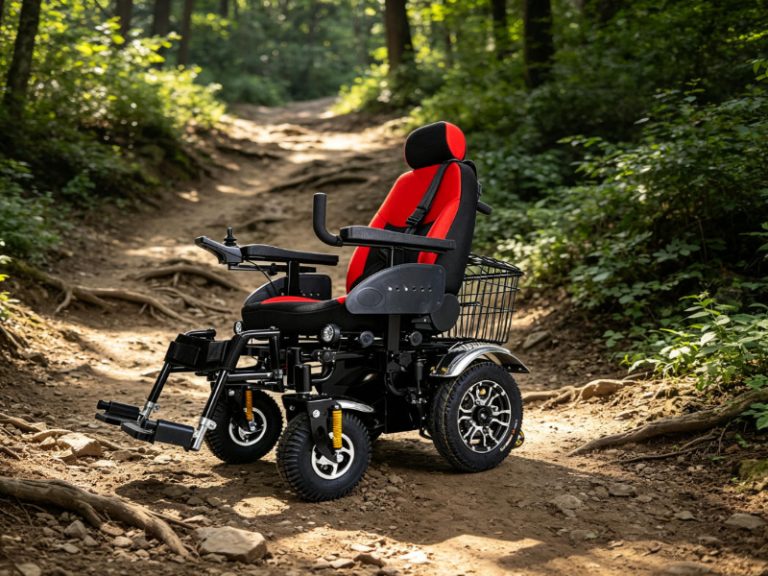
Some heavy-duty models feature three-wheel or four-wheel designs, while others are equipped with dual motors and extended-range batteries, making them ideal for outdoor use.
Heavy-Duty Power Wheelchairs vs Standard Mobility Chairs
Heavy-duty power wheelchairs are built to outperform both travel wheelchairs and full-size indoor models. They feature:
Larger battery systems for extended use
Increased torque for slopes and uneven surfaces
Wider frames for enhanced stability
Higher weight capacities, often up to 500 lbs or more
While their larger size may make them less maneuverable in tight indoor spaces or crowded environments, the trade-off is unmatched strength, confidence, and independence, particularly for users who struggle to stand or walk for extended periods.
Heavy-duty wheelchairs are more than just reinforced chairs—they are life-enhancing mobility solutions. Below are the most impactful benefits they offer.
One of the most significant advantages of a heavy-duty wheelchair is superior stability.
With a wider wheelbase and reinforced frame, these chairs significantly reduce tipping risks. Weight is evenly distributed, allowing users to sit comfortably for long periods without experiencing imbalance or pressure discomfort.
This stability is particularly important for:
Users with limited trunk control
Individuals with higher body weight
Those navigating outdoor or uneven surfaces
A stable chair builds confidence, enabling users to participate more actively in daily routines, social outings, and outdoor adventures.
Heavy-duty wheelchairs typically offer extensive customization, ensuring a proper ergonomic fit. Adjustable features may include:
Seat width and depth
Seat height
Armrest positioning
Footrest height and angle
Backrest support
Many models are compatible with specialized pressure-relief cushions, which help reduce the risk of pressure sores and improve circulation during prolonged sitting.
Proper seating alignment not only improves comfort but also supports long-term musculoskeletal health.
A heavy-duty wheelchair is a long-term investment in mobility and independence.
Thanks to reinforced construction and high-quality components, these chairs often last years longer than standard wheelchairs. They are designed to withstand:
Daily outdoor use
Rough terrain
Frequent weight shifts
Repetitive motion stress
Although the initial cost may be higher, heavy-duty wheelchairs typically result in lower long-term expenses due to reduced maintenance, fewer repairs, and less frequent replacement.
Unlike traditional wheelchairs that struggle on gravel, grass, or uneven pavement, heavy-duty models are designed for real-world environments.
Key outdoor-ready features include:
Larger wheels with aggressive tread
Higher ground clearance
Reinforced bumpers
Shock-absorbing suspension systems
For users who enjoy spending time outdoors, traveling, or navigating challenging terrain, an all-terrain heavy-duty wheelchair can dramatically improve freedom and quality of life.
Understanding the difference between standard wheelchairs and bariatric (heavy-duty) wheelchairs is essential when choosing the right model.
Weight Capacity
Standard wheelchairs: Typically support up to 250 lbs
Bariatric/heavy-duty wheelchairs: Support 300 to 700 lbs, depending on the model
Seat Width and Comfort
Standard wheelchairs usually have seat widths of 16–20 inches
Bariatric wheelchairs range from 22 to 40 inches, allowing for better comfort and posture
Frame Construction
Standard wheelchairs often use lightweight aluminum or basic steel frames. In contrast, bariatric models feature:
Heavy-duty steel frames
Multiple reinforcement points
Wider axles
Stronger wheel assemblies
This construction ensures safety, stability, and longevity under higher loads.
Wheel and Suspension Design
Bariatric wheelchairs use specialized wheels with higher weight-bearing ratings and enhanced suspension systems. These features reduce vibration, improve traction, and provide smoother rides on uneven terrain.
Choosing the right heavy-duty wheelchair requires careful consideration of several factors.
Always select a wheelchair with a weight capacity at least 50 lbs higher than the user’s body weight. This ensures optimal performance and extends the chair’s lifespan.
Seat width and depth should allow for proper posture without restricting movement.
Taller users should look for models with:
Higher seat heights
Extended footrests
Adjustable leg supports
Proper leg positioning improves circulation and reduces fatigue during extended use.
Ask yourself:
Will the wheelchair be used primarily indoors or outdoors?
Will it encounter grass, gravel, dirt, or uneven pavement?
For outdoor-focused users, heavy-duty all-terrain electric wheelchairs offer the best performance.
For users seeking a powerful, outdoor-ready solution, the
All-Terrain Electric Wheelchair YSE104 from IYASOMED is a strong option worth considering.
This model is designed for users who need:
High weight capacity
Strong motors for outdoor terrain
Reliable suspension and stability
Extended battery range
You can explore the full specifications here:
👉 https://www.iyasomed.com/products/all-terrain-electric-wheelchair-yse104/
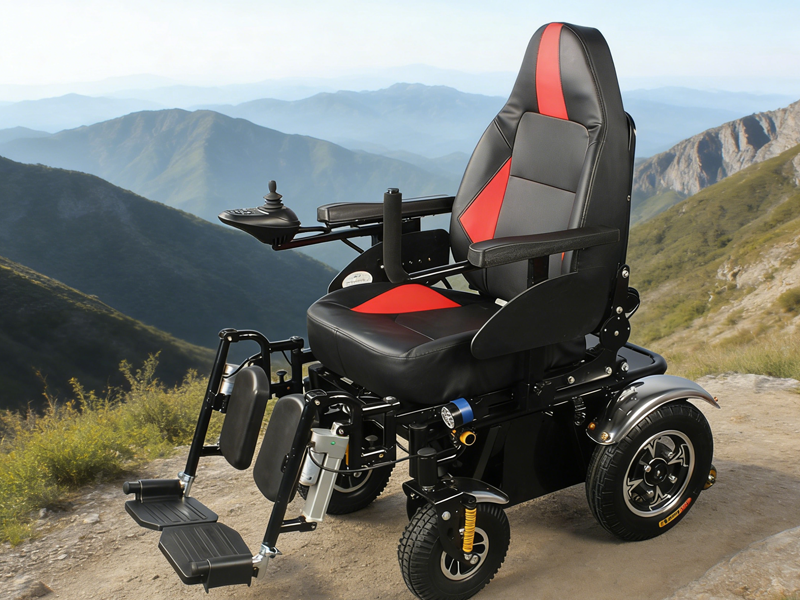
Its rugged design, reinforced frame, and all-terrain wheels make it suitable for both daily use and outdoor exploration, offering a balance of durability, comfort, and performance.
Because of their size and weight, transporting a heavy-duty wheelchair requires planning.
Many users opt for:
Wheelchair-accessible vans with reinforced ramps
Vehicles equipped with hydraulic or electric lifts
Modified SUVs with wider door frames
Some heavy-duty electric wheelchairs can be partially disassembled, but most require specialized transport solutions for safety and convenience.
How Often Should a Heavy-Duty Wheelchair Be Professionally Maintained?
Most manufacturers recommend professional inspections every 6 to 12 months. These inspections should include:
Brake system checks
Wheel alignment
Frame integrity
Battery health
Upholstery condition
Users who frequently navigate rough terrain may require more frequent maintenance.
Are Heavy-Duty Wheelchairs Covered by Insurance?
Coverage depends on the provider and medical necessity.
Medicare Part B may cover heavy-duty wheelchairs classified as durable medical equipment (DME) with proper documentation.
Private insurers often require detailed evaluations and prescriptions from healthcare providers.
Always consult your insurance company before purchasing.
Can Heavy-Duty Wheelchairs Be Used Indoors?
Yes, but maneuverability may be limited in narrow hallways or tight spaces due to wider frames and larger turning radii. Measuring doorways and room layouts beforehand is recommended.
How Fast Are Heavy-Duty Electric Wheelchairs?
Most models operate between 4–8 mph
Advanced outdoor models may reach up to 10 mph
Speed varies based on motor power, battery capacity, terrain, and safety restrictions
Heavy-duty wheelchairs are designed for individuals who need more than basic mobility support. They provide unmatched strength, comfort, and reliability, especially for users who spend time outdoors or require higher weight capacity solutions.
With advancements in battery technology, suspension systems, and ergonomic design, today’s heavy-duty wheelchairs empower users to move confidently across a wide range of environments.
If you enjoy an active lifestyle and need a robust mobility solution, exploring modern heavy-duty and all-terrain electric wheelchairs—such as the YSE104—can be a meaningful step toward greater independence and freedom.