Our Location
Free Trade Tower, Xiyong street.
Chongqing, China

Free Trade Tower, Xiyong street.
Chongqing, China
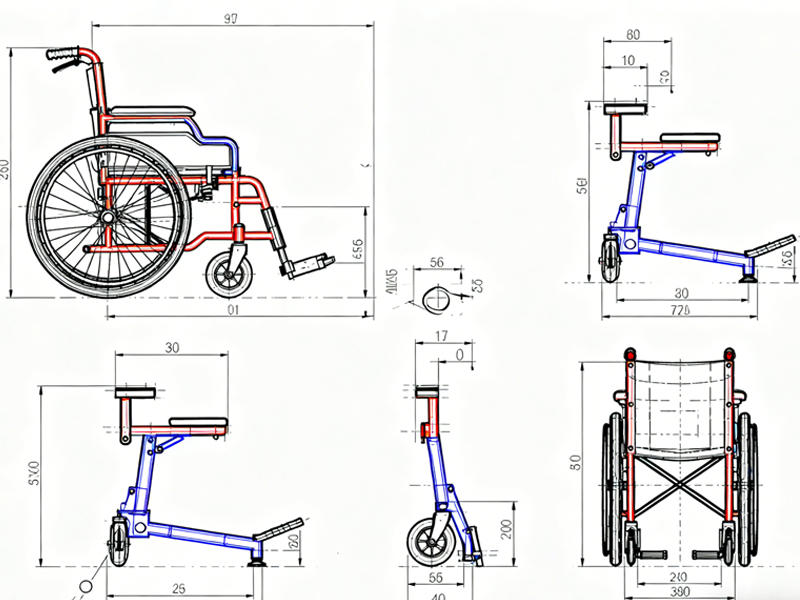
Mobility is more than just moving from one place to another—it is about comfort, safety, and long-term health. For wheelchair users, the design and functionality of leg support systems, particularly leg-raise brackets (also called elevating leg rests) and footrests, are critical. These components influence posture, circulation, stability, and overall well-being. This guide explores the role, adjustment, maintenance, and selection of these parts, providing practical insights for both users and caregivers.
Proper leg support is essential for long-term wheelchair users. Without it, individuals may experience swelling, muscle fatigue, joint strain, and even pressure sores. Effective leg support offers several key benefits:
Improved Circulation
Elevating the legs promotes blood flow, reduces swelling, and can prevent fluid buildup in the lower limbs, particularly important for post-operative or long-term users.
Posture and Pressure Relief
A well-designed footrest and leg rest distribute weight evenly across the thighs and calves, reducing pressure points and supporting better posture. This prevents discomfort and skin breakdown during prolonged use.
Safety and Ease of Transfer
Adjustable and swing-away footrests make transfers easier. Users can fold or rotate the footrest to the side, reducing obstacles and minimizing the risk of accidents during seating or standing.
Enhanced Comfort
Proper padding, height, and angle adjustment on leg supports reduce fatigue and discomfort, whether using the wheelchair for short trips or extended periods.
In essence, leg-raise brackets and footrests are not mere accessories—they are essential to maintaining mobility, safety, and health.
A leg-raise bracket, or elevating leg rest, is a hinged mechanism attached to the front of the wheelchair frame. It allows the user to lift the lower legs at different angles, offering both comfort and therapeutic benefits.
Mechanism: Most leg-raise brackets have a lever or release that allows manual adjustment. Some power wheelchairs feature motorized elevation controlled through a joystick.
Purpose: Elevating the legs helps manage swelling, improve circulation, and relieve pressure on joints.
Safety: The bracket must lock securely in place to prevent sudden collapse and ensure stable support.
The footrest is the component where the user places their feet. Its design and adjustability influence comfort, posture, and daily mobility.
Fixed Footrests
Permanently attached and non-removable, these footrests are simple, sturdy, and ideal for short-term use or transport wheelchairs.
Swing-Away Footrests
These rotate outward or inward for easier transfers. Swing-away footrests can fold to the side, allowing users to approach furniture or vehicles more easily.
Elevating Footrests
Combining leg elevation with foot support, these footrests are beneficial for users needing both comfort and therapeutic positioning.
Flip-Up Footplates
Some footrests can flip upward, freeing space for easier transfers or navigating tight spaces.
Height Adjustability: Ensures that thighs are supported without excessive pressure behind the knees. Correct height also maintains foot clearance from the ground.
Angle Adjustment: Footplates can tilt to accommodate foot position, improve comfort, and reduce stress on joints.
Padding and Support: Calf pads, heel loops, or cushioned footplates prevent slippage and provide better leg support.
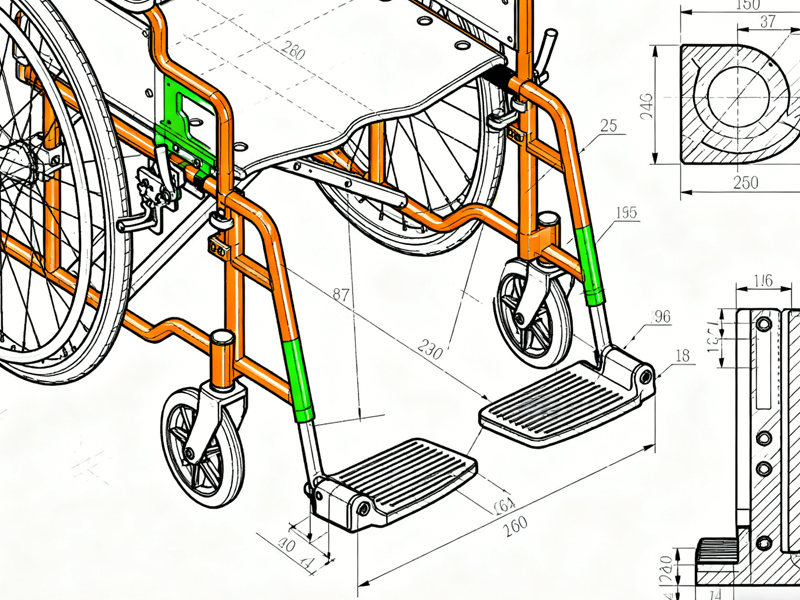
Proper adjustment is essential for both comfort and safety.
Locate the Lever
Find the lever or knob that controls elevation.
Raise Slowly
Lift the leg gradually to the desired angle.
Lock in Place
Ensure the bracket clicks or locks securely.
Lower Carefully
When lowering, support the leg and release the lever gradually to control the motion.
Height: Loosen the clamp or fasteners, move the footrest to the appropriate height, and retighten.
Angle: Adjust tilt by loosening fasteners, setting the correct angle, and securing them.
Swing or Removal: To swing away or remove the footrest, release the latch and rotate or lift the footplate off the hinge.
Clearance: Maintain sufficient clearance from the ground to prevent scraping or catching on obstacles.
When using or adjusting leg-raise brackets and footrests, certain precautions are essential:
Avoid Pinch Points: Keep fingers clear of hinges during adjustment.
Secure Locking: Always ensure the leg rest locks firmly before use.
Footrest Clearance: Check that the footrest maintains adequate ground clearance.
Do Not Lift the Wheelchair Using the Leg Rest: The leg support is not designed for lifting or carrying the wheelchair.
Regular Inspections: Check screws, clamps, and hinges for wear and tighten them as needed.
Pad Alignment: Ensure calf pads are properly positioned and secure.
Maintaining leg-raise brackets and footrests ensures long-term reliability and safety.
Weekly Checks: Inspect for loose screws, worn hinges, or damaged components.
Cleaning: Wipe surfaces with mild soap and water, and dry thoroughly.
Lubrication: Apply silicone-based lubricants to hinges to prevent stiffness or rust.
Replace Damaged Parts: Replace worn or damaged pads, footplates, or brackets promptly.
Pad Maintenance: Ensure calf and heel pads provide sufficient cushioning; replace if compressed or torn.
Selecting the right leg support depends on mobility, health condition, and daily use.
Medical Condition
Swelling or post-surgery: Elevating leg rests reduce fluid buildup.
Joint limitations: Adjustable footplates can accommodate foot deformities.
Transfer Needs
Frequent transfers: Swing-away or quick-release footrests simplify movement.
Limited hand strength: Consider footrests that fold or lower easily.
Wheelchair Type
Manual: Usually lever or clamp mechanisms.
Power: May feature motorized elevation for convenience.
Transport and Storage
Removable or foldable footrests are useful for travel or compact storage.
| User Profile | Recommended Setup |
|---|---|
| Post-operative | Elevating leg rest with padded calf support and adjustable footplate |
| Active user with frequent transfers | Swing-away leg rest with flip-up footplates |
| Limited hand function | Footrests that lower to the ground or easy-lever models |
| Travel/compact storage | Removable or foldable footrests, quick-release leg rests |
Even with proper maintenance, parts may wear over time. Replace components if:
The leg rest fails to lock securely or feels unstable.
The footplate is cracked, damaged, or peeling.
Hinges or pivots are stiff or corroded.
Padding is worn, compressed, or torn.
Ground clearance is reduced despite adjustments.
Always use manufacturer-approved parts to maintain safety and warranty coverage.
Leg-raise brackets and footrests are central to wheelchair mobility. Choosing the right system and maintaining it properly ensures:
Improved circulation and comfort
Reduced fatigue and pressure points
Safer transfers and increased independence
Enhanced long-term posture and health
By understanding how these components work, how to adjust them, and how to maintain them, wheelchair users can achieve a higher quality of life and greater mobility independence.