Our Location
Free Trade Tower, Xiyong street.
Chongqing, China

Free Trade Tower, Xiyong street.
Chongqing, China
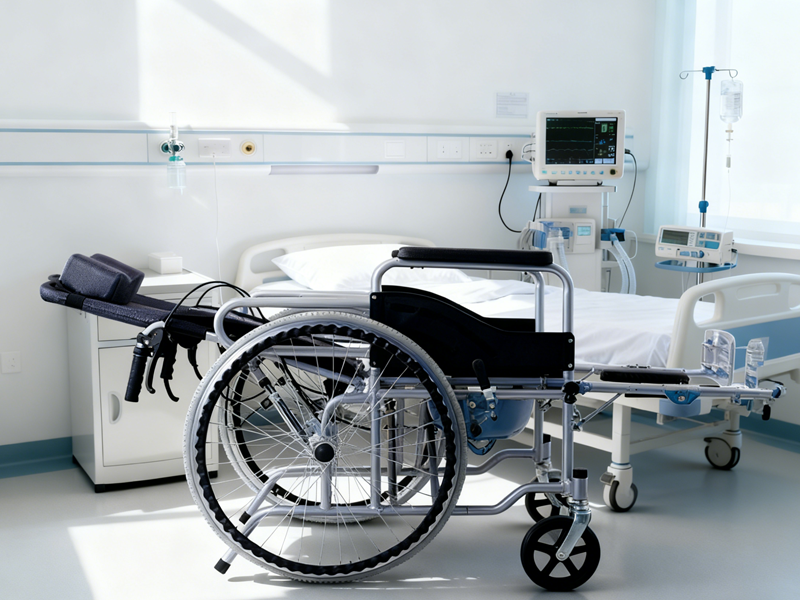
Choosing the right medical wheelchair is rarely as simple as selecting a seat with wheels. It is a deeply personal decision—one that influences daily comfort, long-term mobility, independence, hygiene, safety, and dignity. Whether a wheelchair is required temporarily after surgery, or long-term due to aging or chronic conditions, the right model can transform daily life.
Yet with the enormous variety available today—manual, electric, commode-integrated, foldable, travel-friendly, or hybrid designs—many people feel overwhelmed. Families want reliability. Caregivers want practicality. Users want comfort, adaptability, and dignity. And clinicians want equipment that supports safety and long-term mobility health.
This guide offers a comprehensive, globally oriented look at medical wheelchairs—what they are, why they matter, how to choose the right model, and what innovative options exist today. Throughout, you will find recommendations of products that genuinely solve real-world problems, including thoughtfully designed wheelchairs with integrated commodes, portable mobility aids, and caregiver-friendly manual models.
People often assume medical wheelchairs are simply transport chairs used in hospitals or rehabilitation facilities. In reality, they serve a wide range of purposes that go far beyond basic transport. The term medical wheelchair describes any wheelchair designed with clinical, rehabilitative, or assistive features that support health needs.
Medical wheelchairs may include features such as:
Ergonomic seating for long-term sitting
Adjustable footrests and armrests
Reinforced frames for stability and safety
Commode integration, reducing the need for bathroom transfers
Foldable designs for travel and storage
Anti-tilt bars, brakes, and safety locking systems
Lightweight materials for portability
Caregiver-support features, such as rear handles and braking assistance
Removable padding and surfaces for easy cleaning
Customizable seating or back support
Medical wheelchairs also differ widely across cultures and regions. In North America and Europe, mobility independence is often the priority. In Southeast Asia, the Middle East, and parts of Africa, affordability, portability, family caregiving, and multi-function designs—especially commode wheelchairs—are essential.
For these reasons, the global market has evolved toward more flexible and multi-purpose designs. This is where portable mobility aids and commode-wheelchair hybrids rise in demand and practicality.
Medical mobility is not just about transportation. It is about:
Staying active
Managing personal hygiene
Maintaining independence
Supporting caregivers
Reducing risk of injury
Improving quality of life
Restoring personal dignity
Transfers—from bed to chair, from chair to toilet, or from wheelchair to vehicle—are among the most common sources of injury for both caregivers and patients. Wheelchairs that integrate functional features, especially commode support, can eliminate many of these risks.
This is also why commode-integrated wheelchairs have become essential in home care, nursing facilities, long-term rehabilitation settings, and for aging adults who want independence without complicated bathroom transfers.
One of the most important innovations in recent years is the introduction of wheelchairs with built-in commode systems. These designs significantly reduce the physical effort required for transfers and add dignity for individuals facing mobility limitations.
A great example of this modern approach is the Manual Commode Wheelchair YSM2016, available here:
👉 https://www.iyasomed.com/products/manual-commode-wheelchair-ysm2016/
This wheelchair combines supportive seating, a built-in commode bucket, and sturdy construction. What makes it stand out is the balance between usability and comfort. Instead of multiple transfers to a bathroom, users can safely complete hygiene tasks directly in the chair. For caregivers, this reduces stress and increases safety.
Such models are especially valuable for:
Elderly individuals
People living with chronic illnesses
Stroke survivors
Post-operative recovery
Mobility-impaired adults in home care
Long-term rehabilitation patients
In global markets where families are the primary caregivers, this kind of design is not just convenient—it is essential.
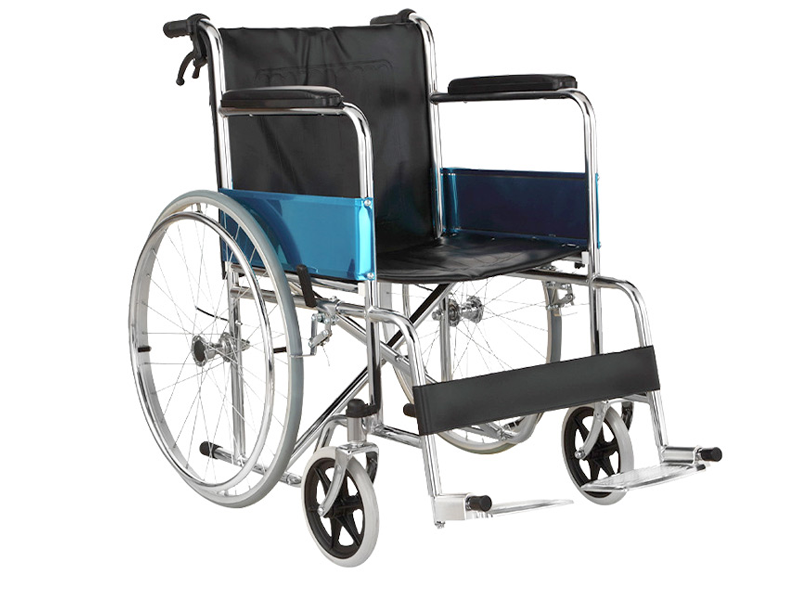
Even the most advanced wheelchair becomes a burden if it is difficult to transport. Portability is no longer a luxury—it’s a necessity for travel, outdoor activities, and even daily household navigation. Families also need solutions that fit into car trunks, storage closets, or small living spaces.
This is where portable medical wheelchairs shine. They offer:
Lightweight aluminum or steel frames
Foldable structures
Quick-release mechanisms
Compact dimensions
Comfortable seating despite portability
Easy cleaning and maintenance
A highly adaptable example is the Portable Mobility Aid Wheelchair, designed to offer mobility without the bulk of traditional wheelchairs:
👉 https://www.iyasomed.com/products/portable-mobility-aid-wheelchair/
This model suits people who want something between a full-time wheelchair and a lightweight mobility aid. It supports short-distance travel, clinical use, home use, and caregiver-assisted movement. With a compact design, it is ideal for flights, car travel, and smaller residential spaces.
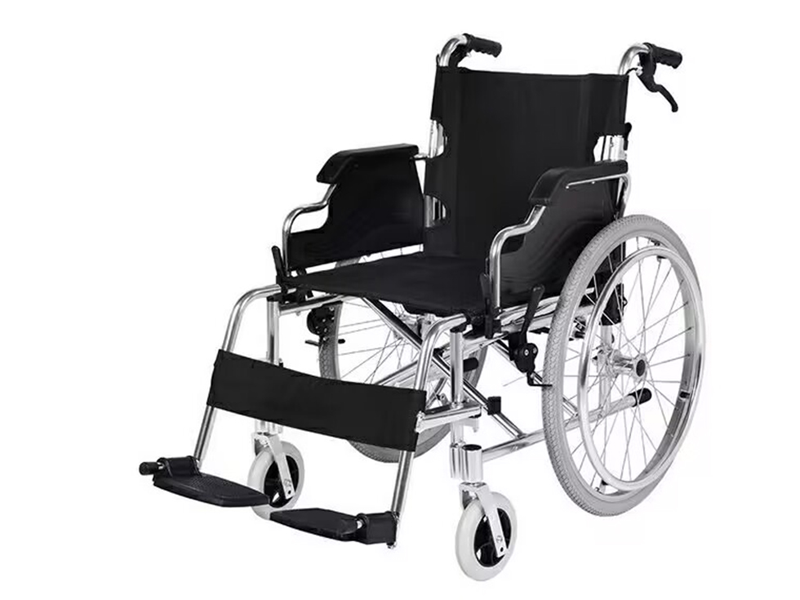
While electric wheelchairs continue to advance, manual wheelchairs remain the global backbone of medical mobility. They are affordable, durable, familiar, and easy for caregivers to use.
But modern manual wheelchairs are not the simple, rigid frames of decades past. Today’s designs feature:
Strong yet lightweight frames
Comfortable padding
Adjustable seat height
Ergonomic back support
Better wheels and braking systems
Compatibility with accessories
Multi-use solutions (commode + wheelchair combos)
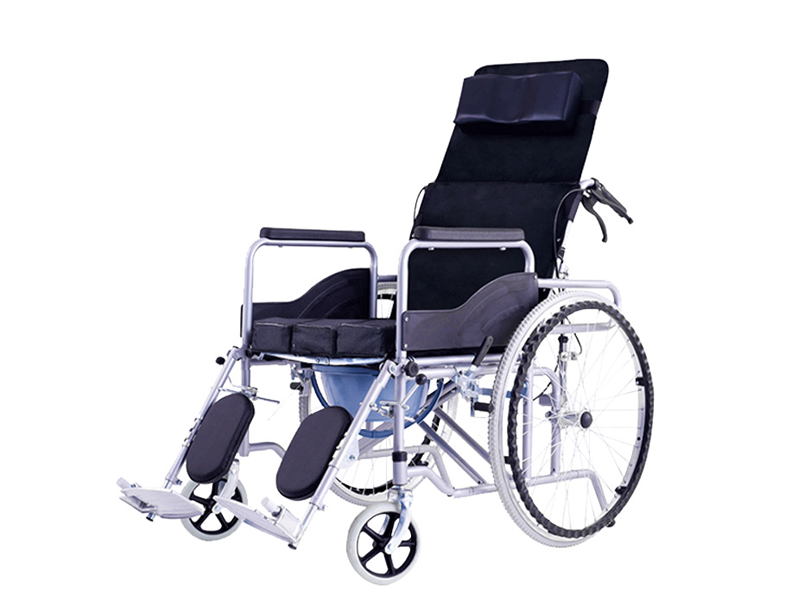
One well-engineered example is the Manual Wheelchair with Portable Commode, a versatile hybrid that balances comfort and practicality:
👉 https://www.iyasomed.com/products/manual-wheelchair-with-portable-commode/
This wheelchair is particularly useful in home environments where space is limited and where users require both mobility and hygiene support. It is designed to be comfortable for long-term sitting and easy to clean—two features that matter immensely in daily use.
Selecting the perfect wheelchair requires considering the user’s lifestyle, health condition, caregiver support, and environment. Below are the most important factors to evaluate, tailored for a global audience.
Different conditions require different levels of support.
For example:
Stroke rehabilitation: stability and easy transfers
Post-operative recovery: comfort & lightweight mobility
Aging adults: integrated hygiene support
Chronic mobility disorders: long-term ergonomic seating
Small apartments require compact designs.
Homes with stairs may need lightweight folding models.
Outdoor use requires durable wheels and a strong frame.
Travelers need portable, airplane-friendly wheelchairs.
If caregivers will be pushing the wheelchair, rear brakes and ergonomic handles matter.
If the user is mostly independent, self-propelling wheels are essential.
Users with limited bathroom mobility can greatly benefit from commode-integrated wheelchairs. This reduces transfer risks and boosts personal dignity.
Families often need wheelchairs that fold quickly and store compactly.
This is especially important in:
Apartments
Shared family homes
Travel and transport
Clinical visits
Medical wheelchairs range from simple, affordable models to professional-grade, multi-function designs.
Investing in quality often pays for itself through improved comfort and reduced medical risks.
Medical wheelchairs do more than help individuals move—they strengthen global health systems. In regions where home caregiving is the norm, commode wheelchairs support hygiene and reduce hospital readmissions. In aging populations, portable models allow seniors to maintain independence longer. In lower-income communities, durable manual wheelchairs remain vital for basic mobility.
The evolution of wheelchair design reflects a global shift toward dignity, accessibility, and person-centered care.
Innovations such as the YSM2016 Manual Commode Wheelchair, the Portable Mobility Aid Wheelchair, and the Manual Wheelchair with Portable Commode demonstrate how modern equipment integrates practical features with human-centered design.
These advancements represent the future of mobility: adaptive, accessible, portable, and designed with genuine care for everyday challenges.
Across cultures, healthcare systems, and generations, medical wheelchairs remain one of the most meaningful mobility solutions in the world. They empower individuals, support families, improve hygiene, reduce risks, and offer freedom where movement may otherwise be limited.
Whether you are a caregiver, a patient, a healthcare professional, or a family member seeking the best equipment, understanding the different types and features can make all the difference. And with options ranging from commode-integrated solutions to portable mobility aids, there is no need to compromise between convenience, comfort, and safety.
For those who want dependable, thoughtfully designed equipment, these models are recommended starting points:
A medical wheelchair includes clinical or assistive features such as commode systems, ergonomic seating, safety locks, caregiver brakes, or foldable lightweight frames. It is designed specifically for medical, rehabilitative, or long-term mobility needs, making it more supportive than a basic transport chair.
Commode wheelchairs are ideal for users with limited bathroom mobility, including elderly adults, post-surgery patients, stroke survivors, and individuals with chronic mobility conditions. They reduce transfers, lower fall risk, and offer greater independence in hygiene routines.
Look for lightweight, foldable, portable designs with compact dimensions. A model like the Portable Mobility Aid Wheelchair is ideal because it packs easily into cars, fits in tight areas, and still offers supportive seating for daily mobility.