Our Location
Free Trade Tower, Xiyong street.
Chongqing, China

Free Trade Tower, Xiyong street.
Chongqing, China
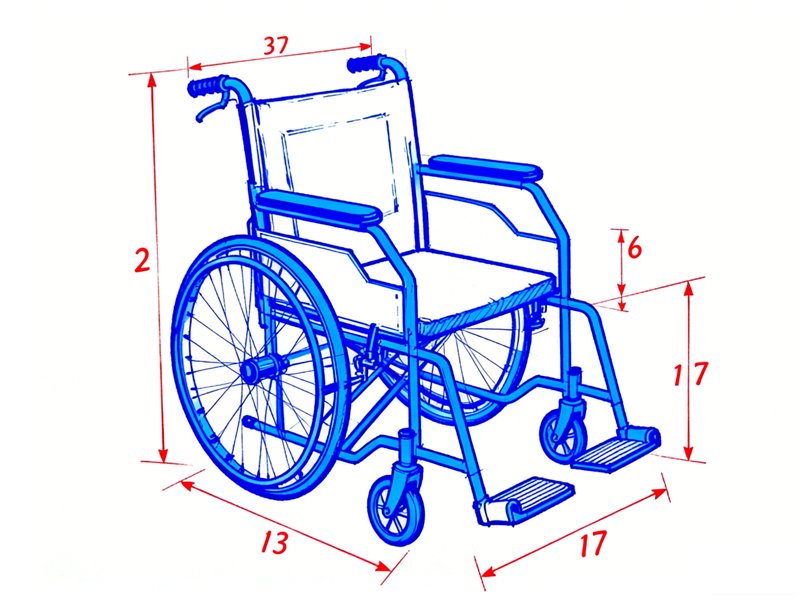
When selecting the right wheelchair, one of the most critical yet often overlooked aspects is seat depth. While features like wheel size, frame material, or portability tend to get more attention, seat depth fundamentally affects comfort, posture, and overall mobility. Choosing the correct seat depth can mean the difference between hours of discomfort and a supportive, ergonomic experience that promotes health and independence.
Seat depth refers to the distance from the backrest to the front edge of the wheelchair seat. Although it may seem like a simple measurement, it profoundly impacts the user’s sitting posture. An appropriate seat depth ensures that the thighs are fully supported without putting pressure on the knees. Too short, and it may fail to provide adequate support, leading to instability and fatigue. Too long, and it could press against the back of the knees, restricting circulation and causing discomfort.
Proper seat depth also contributes to spinal alignment. Sitting in a wheelchair with the wrong seat depth can lead to slouching or a forward-leaning posture, which over time may result in back pain or postural deformities. Additionally, an optimal seat depth allows users to reach the wheels comfortably, improving maneuverability and independence.
Measuring seat depth is straightforward, but precision is crucial. The ideal seat depth is typically determined by measuring the distance from the back of the buttocks to the back of the knees, then subtracting 1–2 inches to prevent pressure on the knees. This ensures that the thighs are fully supported while maintaining a small gap behind the knees for circulation.
Professional assessments are highly recommended. Physical or occupational therapists often use specialized equipment to ensure the seat depth matches the user’s anatomy and needs. Home measurements can be done with a flexible tape measure, but care should be taken to sit in a natural, upright position during the process.
A wheelchair with a correctly fitted seat depth improves comfort, reduces fatigue, and prevents pressure sores. Pressure sores, or decubitus ulcers, often develop when prolonged pressure is applied to specific areas, particularly the thighs and buttocks. Incorrect seat depth can exacerbate this risk by creating uneven pressure distribution.
Beyond comfort, seat depth also affects respiratory function and digestion. Slouching caused by improper seat depth can compress the chest and abdomen, making breathing more laborious and impairing digestion. Over time, this can impact overall health, especially for users who spend extended periods in a wheelchair.
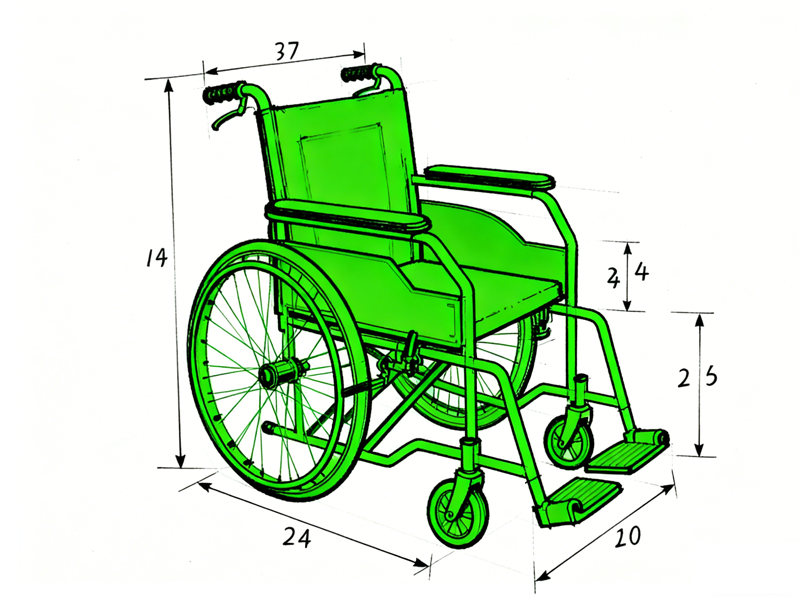
Wheelchairs come in various designs: standard, adjustable, and custom-built. Each type offers different levels of customization for seat depth.
While body measurements are primary, other factors influence the ideal seat depth:
Identifying whether your wheelchair seat depth is incorrect can prevent long-term issues. Common indicators include:
Early recognition allows for adjustments or consultations with a healthcare professional to prevent discomfort and health complications.
Internationally, wheelchair design standards vary, but the principles of seat depth remain universal. Whether in Europe, North America, Asia, or Australia, the focus is on achieving ergonomic seating that enhances mobility and comfort. Advances in technology and materials allow manufacturers to produce wheelchairs with adjustable or custom seat depths, catering to a diverse range of body types and medical needs worldwide.
Wheelchair seat depth is far more than a simple measurement; it is a critical factor that influences comfort, health, and mobility. By understanding the importance of seat depth, accurately measuring, and selecting the right wheelchair type, users can enjoy improved posture, reduced fatigue, and enhanced independence. Whether opting for a standard, adjustable, or custom-built wheelchair, attention to seat depth ensures a supportive, ergonomic experience that positively impacts daily life.
Investing time in understanding and optimizing wheelchair seat depth is an investment in health and quality of life. For caregivers, healthcare professionals, and users alike, prioritizing this aspect of wheelchair fitting can make all the difference between a functional tool and a life-changing mobility aid.