Our Location
Free Trade Tower, Xiyong street.
Chongqing, China

Free Trade Tower, Xiyong street.
Chongqing, China
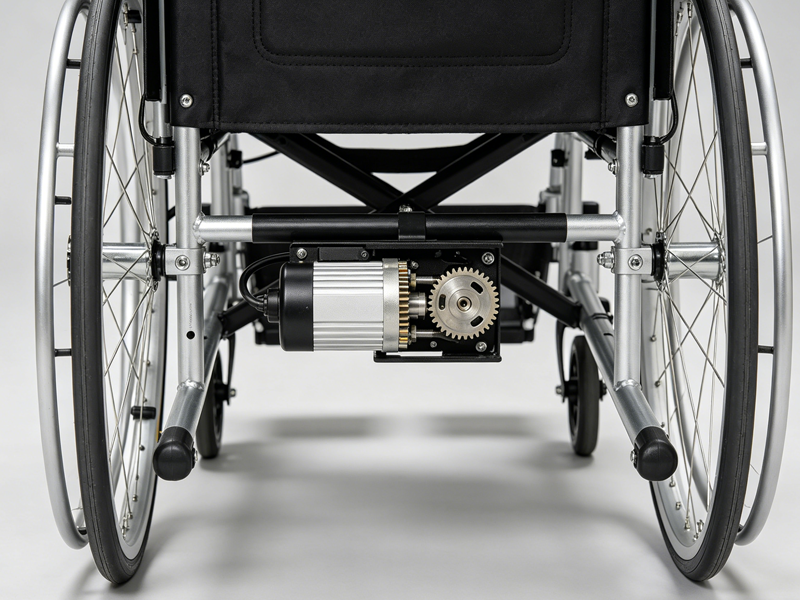
For many wheelchair users, independence no longer means choosing between a fully manual chair and a heavy, expensive power wheelchair. There is now a smarter middle ground: the wheelchair power add on.
Table of Contents
ToggleThese systems are designed to transform a manual wheelchair into a powered mobility solution with less effort, better range, and more flexibility. Whether someone needs help climbing hills, navigating long distances, reducing shoulder strain, or simply moving through daily life with more ease, a power add on can be a life-changing upgrade.
Unlike traditional power wheelchairs, add-on systems are modular. Many can be attached or removed depending on the day’s needs. Some prioritize speed and outdoor adventure. Others focus on gentle indoor assistance or push support for caregivers. That flexibility is exactly why power add-ons are gaining attention across the world.
A manual wheelchair offers simplicity, portability, and control. However, it also requires physical energy. Repetitive pushing can lead to shoulder pain, wrist strain, fatigue, and reduced mobility over time. For users with changing strength levels, aging joints, or long travel distances, daily propulsion can become difficult.
A wheelchair power add on solves this problem by adding motorized assistance to an existing chair.
Instead of replacing a wheelchair completely, users keep the chair they already know and trust while upgrading mobility performance. That means familiar seating, easier transport, lower cost than many full power chairs, and more personalized use.
People are increasingly choosing power add-ons because they offer:
For many users, it is not just about movement. It is about energy conservation. Saving strength during transportation means having more energy for work, family, social life, and hobbies.
A wheelchair power add on is a motorized device that attaches to a manual wheelchair to assist or fully drive movement.
Depending on the design, the add-on may connect to the front, rear, wheels, or push handles of the chair. Some systems are controlled directly by the wheelchair user, while others are designed for caregivers pushing from behind.
Think of it as converting a bicycle into an e-bike. The original chair remains the foundation, but power assistance changes the riding experience completely.
Most modern systems use rechargeable lithium batteries, compact motors, intelligent speed control, and safety braking systems.
Some models can be installed in seconds. Others are semi-permanent upgrades intended for daily use.
Understanding the categories helps buyers choose the right solution.
Front-Mounted Power Pull Devices
These units attach to the front of a wheelchair and often lift the small caster wheels off the ground. The result is smoother rolling, stronger traction, and easier outdoor performance.
They are popular for:
Many users describe these models as the most exciting option because they feel dynamic and capable.
Best for active lifestyles.
Rear Power Assist Units
Rear-mounted systems push the wheelchair from behind or under the frame. They usually maintain the natural feel of the wheelchair while reducing pushing effort.
They are ideal for:
These are often discreet and practical.
Power Assist Wheels
These replace standard rear wheels with motorized wheels. Sensors detect push effort and amplify it.
If the user pushes lightly, the wheels provide extra torque.
Benefits include:
Excellent for users who still self-propel but need support.
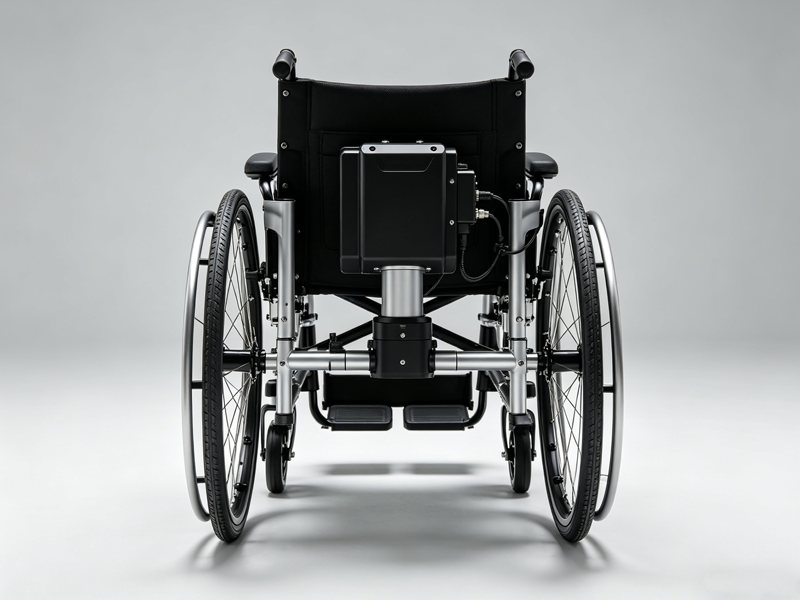
Caregiver Push Assist Systems
These systems help attendants push the wheelchair. Instead of manually forcing a chair uphill or over long distances, the motor assists from behind.
Perfect for:
This reduces injury risk for caregivers and improves comfort for passengers.
Not every user has the same mobility goals. The best candidates often include:
Active Manual Wheelchair Users
People who enjoy manual chairs but need occasional help for hills, commuting, or long days.
Users With Shoulder Pain
Repeated propulsion can cause rotator cuff injuries and chronic strain. Power assistance reduces repetitive stress.
Individuals With Progressive Conditions
Users with multiple sclerosis, muscular dystrophy, arthritis, or fatigue-related conditions may need adaptable support.
Older Adults
Many long-term wheelchair users find strength changes with age. A power add on extends independence without changing to a large power chair.
Students and Professionals
Campuses, offices, airports, and city travel often involve long distances. Add-ons conserve energy.
Caregivers and Families
Push-assist systems make outings safer and more manageable.
Real-Life Situations Where Power Add Ons Make a Difference
Technology matters most when it solves real problems.
Imagine a commuter who uses a manual wheelchair in the city. The train station is manageable, but the uphill route home is exhausting. A front-mounted power add on turns a daily struggle into a simple ride.
Consider a parent who uses a wheelchair and wants enough energy left to play with children after errands. Reducing propulsion fatigue changes family life.
Think about a traveler navigating airports, hotel corridors, sidewalks, and tourist attractions. Portability matters more than a bulky power chair.
Or an older spouse pushing their partner during appointments and shopping trips. A caregiver assist unit can remove physical strain and restore confidence.
These examples show why the demand for power add-ons continues to grow.
Key Features to Compare Before Buying
Not all wheelchair power add-ons are equal. Buyers should evaluate function, compatibility, and long-term comfort.
Compatibility With Existing Wheelchair
Start here first.
Check:
Some add-ons fit only specific chair types.
Motor Power
More torque helps on hills and rough terrain. For flat indoor environments, moderate power may be enough.
Battery Range
Range varies widely depending on terrain, weight, speed, and weather.
Ask realistic questions:
Weight of the Unit
Lighter systems are easier to transport, lift into cars, and store.
Installation Speed
Some systems clip on in seconds. Others require tools or more complex setup.
Portability for Travel
Frequent travelers should check:
Control System
Common options include:
Choose what feels natural.
Safety Systems
Look for:
After-Sales Support
A strong warranty and accessible service network matter more than many buyers realize.
Many buyers focus only on power, but environment matters just as much.
Indoor Priority Users
If most time is spent in homes, offices, elevators, and shops, choose compact maneuverability over speed.
Look for:
Outdoor Priority Users
If daily life includes sidewalks, parks, hills, or long routes, focus on:
Mixed Use Users
Most people need both. In that case, balance size, control, and battery capacity.
This depends entirely on the user.
A full power wheelchair may be best for individuals who cannot self-propel at all or need advanced seating, tilt, recline, or specialized posture support.
A wheelchair power add on may be better for users who:
Many users appreciate having one system that adapts to different days.
Cost Considerations and Value
Prices vary significantly depending on brand, battery size, motor power, and technology.
While some buyers focus on upfront price, long-term value is more important.
Ask:
The cheapest unit can become expensive if reliability is poor. The right unit often pays back through better quality of life.
A quick showroom trial is not enough. Simulate real life.
During testing, evaluate:
If possible, test with your normal bag, clothing, and body weight conditions.
One major advantage of many power add-ons is portability.
Before flying:
Many users prefer an add-on plus manual chair because it offers more flexibility than transporting a heavy power wheelchair.
The market is evolving quickly.
Expect to see:
As urban spaces become more accessible and users expect flexible mobility solutions, demand will continue rising.
Instead of asking “What is the best wheelchair power add on?” ask better questions:
The best product is the one that fits your real life—not marketing claims.
A wheelchair power add on is more than an accessory. For many users, it is the bridge between effort and freedom.
It can turn steep streets into manageable routes, long days into comfortable ones, and dependence into confidence. It helps preserve energy, reduce strain, and expand the places people can go without sacrificing the familiarity of a trusted manual wheelchair.
That combination—mobility, flexibility, independence, and comfort—is why power add-ons are becoming one of the smartest investments in personal mobility.
If you are considering one, focus less on trends and more on lifestyle fit. Test carefully, prioritize reliability, and think about where you want to go tomorrow—not only where you are today.
The right wheelchair power add on does not simply move a chair.
It moves life forward.
WhatsApp us