Our Location
Free Trade Tower, Xiyong street.
Chongqing, China

Free Trade Tower, Xiyong street.
Chongqing, China
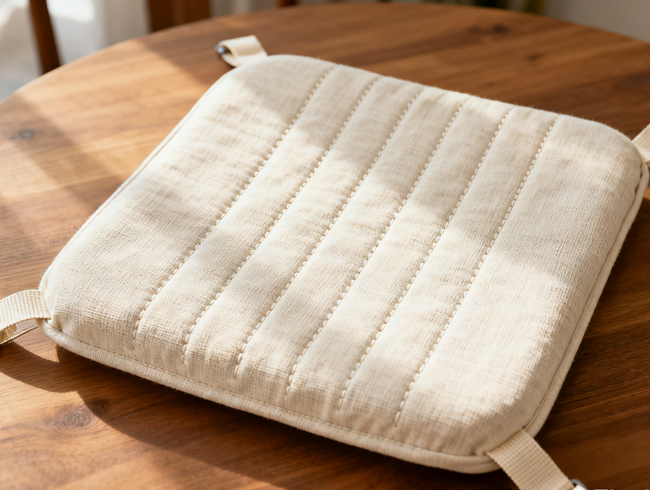
Finding the right wheelchair seating system is rarely about style alone — it’s about pressure management, postural support, independence and long-term health.
ROHO (air flotation cushions — pressure relief specialists)
ROHO’s air-cell technology is almost synonymous with “air cushions” in seating. Their segmented air cells create a dry-flotation surface: the skin never sits directly on foam under high pressure, and the cushion conforms to the user’s shape while allowing micro-adjustments. This makes ROHO ideal when skin protection and high-level pressure redistribution are top priorities — e.g., spinal cord injury, long-term sitting, or history of pressure injuries. ROHO designs include clinical lines for heavy-duty use and lighter Mosaic/Hybrid styles that balance protection and portability. If pressure management is the main clinical need, ROHO cushions are frequently first-line in assessments.
Practical note: air cushions require correct inflation and periodic checks; they feel different from foam and can feel “unstable” until the user adapts. Ask a clinician to set up the cushion and show how to check the cell pressures.
JAY (Sunrise Medical) — wide range, clinical positioning focus
JAY is the seating brand most clinicians associate with Sunrise Medical. Their portfolio contains foam, fluid (gel/viscoelastic) and air systems designed for skin protection, stabilization and pelvic control. Where users need a blend of positioning and pressure care — such as hemiplegia, scoliosis, or fluctuating tone — the JAY line provides modular options (inserts, lateral support pieces, different densities) that make clinical tuning easier. JAY cushions are a staple in clinics that need adaptable solutions across many clinical pictures.
Practical note: JAY’s modular pieces mean you can often upgrade or add components without replacing the whole cushion — helpful where budgets are limited.
Permobil — integrated power-chair seating and advanced systems
Permobil is best known for fully integrated power wheelchair seating systems (the Corpus family, for example) that combine a purpose-built frame, dynamic backrests, and clinical cushion options. When a powered chair is part of the solution — for complex postural needs, active pressure-management functions (power tilt, recline, elevating leg rests) and deep customization — Permobil’s seating technology is built from the ground up to work with those functions. For users with complex dependent care needs or advanced mobility prescriptions, Permobil is often the clinical choice.
Practical note: fully integrated systems are powerful but more expensive; ensure assessment includes mobility goals and funded options (some national programs specifically reimburse integrated seating systems differently).
Ottobock — engineering, broad seating accessory range
Ottobock makes highly engineered seating and positioning products — from simple off-the-shelf cushions up to individually adjustable systems and accessories. Their clinical literature emphasizes a “seating molecule” approach (identify the priorities — pressure, stability, alignment — and match the product). They are a strong choice when you want proven engineering, multiple accessory options (arm, head and trunk supports), and recognized European clinical standards. Ottobock also offers lightweight cushions where portability is important.
Practical note: Ottobock’s modular accessory ecosystem is useful if the user’s needs might change over time — you can add padding, lateral supports, or exchange cushions while keeping the same mounting hardware.
Varilite — air-foam hybrid (Air-Foam Floatation) for stability + pressure relief
Varilite’s approach combines foam and air (“Air-Foam Floatation”) to deliver pressure distribution with a more inherently stable feel than pure air cushions. That design is especially attractive for people who need pressure relief but also require pelvic stability (e.g., active manual wheelchair users who need to transfer, propel or manage uneven surfaces). Varilite cushions are often recommended when practitioners want a middle path between immobile foam and highly conforming air cells.
Practical note: Varilite cushions tend to be lighter than traditional heavy cushion systems — an advantage if transfers and portability matter.
Invacare (Matrx, Vicair et al.) — clinical seating with a wide dealer network
Invacare’s seating range includes clinically focused brands like Matrx (backs and positioning), Vicair (air-cell modular systems), and other cushions and accessories. Invacare’s strength is variety and availability: they have options for general comfort cushions, positioning backs, and specialized pressure-management products. For many clinics and home-care providers, Invacare is a practical clinical option with good service networks and recognizable product names.
Practical note: if you are in a region with solid local supply chains, Invacare products are often easier to get fitted and maintained through local providers.
Drive / Drive DeVilbiss — value, accessible clinical options
Drive (Drive DeVilbiss Healthcare) offers a breadth of cushions and back supports aimed at the mainstream market and long-term care environments. Their products cover gel-foam hybrids, molded foams and general-use models. Drive’s strengths are affordability and availability — they appear often in homecare, hospitals and institutional settings where a reliable, lower-cost cushion is required. For straightforward pressure-management with limited budgets, Drive is a dependable choice.
Practical note: Drive products perform best when matched to users without highly complex postural needs; always pair with clinical assessment where pressure history exists.
Ride Designs — research-driven, custom and semi-custom cushions
Ride Designs (sometimes shortened to Ride) focuses on scientifically informed cushions and backs that aim to protect skin while improving function. They offer both off-the-shelf and custom/semi-custom options (scanned cushions, configurable shells). Recent research and clinical trials often feature Ride products because their design balances pressure redistribution with pelvic control—this is attractive for active users who need both protection and performance. If a custom scan/fit process is available to you, Ride’s custom lines are worth a look.
Practical note: custom solutions typically require a trained provider, measurement protocol, and longer lead times — but they often pay dividends in comfort and fewer product changes later.
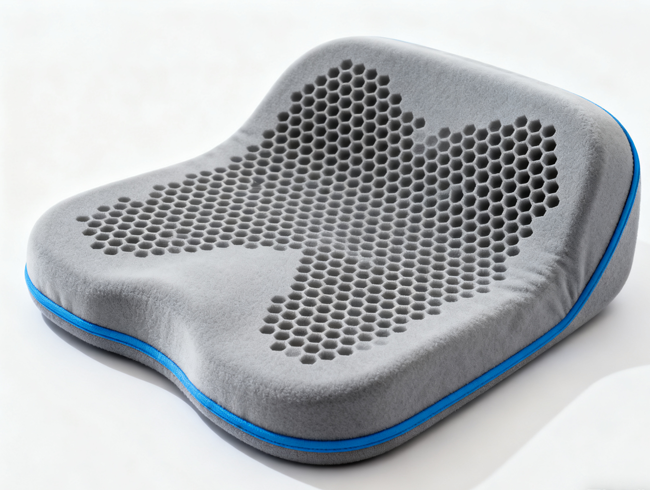
Karman Healthcare — accessible, ergonomic options for everyday use
Karman’s products sit in the value/accessibility tier but they offer ergonomic thinking (contoured foam, memory foam inserts, lumbar supports) and accessories that improve day-to-day comfort. They are widely available online and through dealers, and are common as “secondary” cushions or interim solutions. For budget-conscious buyers seeking basic postural improvement and comfort, Karman is a pragmatic brand.
Practical note: Karman is good for lightweight, travel-friendly options and for caregivers who want a simple upgrade to a standard wheelchair.
Leckey / R82 (pediatric seating specialists)
Leckey (and R82 as a pediatric-focused brand carried in many regions) builds modular seating systems expressly for children and adolescents with special needs. Their products are purpose-built to grow with the child, offer colorful, child-friendly designs, and incorporate adjustable shells, cushions and trunk supports. If you are choosing seating for a child — from mild postural needs to complex support — Leckey/R82 are brands that pediatric therapists often recommend.
Practical note: pediatric seating requires a therapist who understands growth, developmental goals and how to integrate standing/walking aids or school seating. Leckey’s modular systems make later adjustments less costly.
FQA
Q1: Which type of cushion is safest for preventing pressure sores?
A: There is no single “safest” cushion for everyone, but for high pressure-risk users air-cell systems (like ROHO) or carefully fitted hybrid systems (Varilite, some JAY/Invacare models) are generally preferred because they redistribute interface pressure more effectively. Correct inflation, proper positioning and regular skin checks are equally important — the cushion is only one part of pressure-injury prevention.
Q2: If I need both good posture control and pressure relief, which brands strike the best balance?
A: Brands that emphasize modularity and customizable inserts (JAY by Sunrise Medical, Invacare Matrx, Ride Designs custom cushions) are typically best for dual goals. These let clinicians tune pelvic stability and add pressure-relief components, or combine foam bases with targeted air inserts for mixed performance.
Q3: Are custom cushions worth the extra money?
A: Often yes — for users with asymmetry, chronic skin issues, or specific functional goals, a custom or semi-custom cushion reduces the risk of repeated refitting and can improve sitting tolerance and function. For straightforward comfort or travel cushions, off-the-shelf options from Drive or Karman may be a sensible, lower-cost alternative. Custom fitting needs a trained provider and an acceptance that lead times and servicing differ from commodity products.