Our Location
Free Trade Tower, Xiyong street.
Chongqing, China

Free Trade Tower, Xiyong street.
Chongqing, China
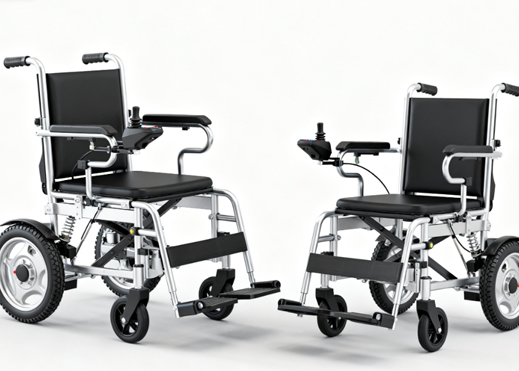
Mobility challenges affect millions of people worldwide, whether due to age, injury, or chronic health conditions. The right wheelchair can make all the difference in maintaining independence and quality of life. Among the many innovations in assistive devices, the manual electric switch wheelchair stands out as a versatile option. It combines the reliability of manual control with the convenience of powered assistance, making it a practical solution for daily use.
Unlike traditional models, this type of wheelchair bridges the gap between fully manual and fully electric versions. It allows the user to switch easily between modes depending on their energy levels, environment, or preference. The design is often lightweight, foldable, and portable, which makes it ideal for those who need a balance between comfort, mobility, and flexibility.
wheelchair users had to choose between two extremes: manual wheelchairs that require significant physical effort, or heavy electric wheelchairs that limit portability. The manual electric switch wheelchair eliminates that difficult decision.
Imagine being able to self-propel when you feel strong, but switching to electric assistance when you encounter an uphill road, longer distance, or fatigue. This flexibility is exactly what many people need in real-world situations.
foldability ensures it can be stored in a car trunk, carried on a train, or tucked into a small space at home. This mobility freedom is essential not only for patients but also for caregivers who want less strain when transporting the chair.
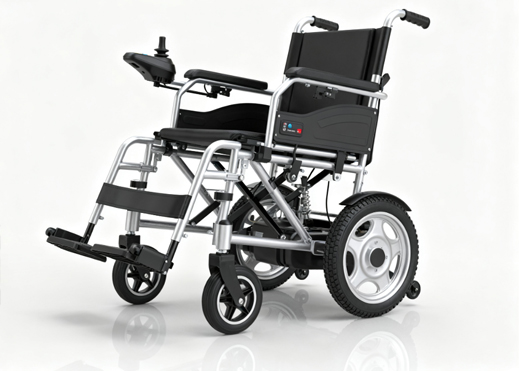
1. Dual Functionality
The standout feature is the ability to switch between manual and electric operation. With a simple control mechanism, users can decide how they want to move at any given time.
2. Lightweight Frame
Unlike traditional powered chairs that weigh 50–70 kg, most manual electric switch models are made from aluminum alloy or similar materials. This reduces total weight while maintaining strength and durability.
3. Foldable Design
A foldable wheelchair changes daily life. It makes travel, storage, and transport possible without needing large vehicles or specialized equipment.
4. Cost-Effectiveness
Instead of purchasing both a manual and an electric wheelchair, one hybrid device meets both needs, often at a lower overall cost.
5. Energy Efficiency
Because it doesn’t rely on constant motor power, battery life is extended. Many users can travel longer distances compared to a full electric wheelchair.
The manual electric switch wheelchair isn’t just for one type of user. Its versatility makes it suitable for:
Elderly individuals who may want manual use indoors but electric support outside.
People with partial mobility who can self-propel for short distances but need help on slopes.
Travelers who need a foldable, lightweight solution for flights, trains, or cars.
Caregivers who require an easy-to-transport option when assisting patients.
Manufacturers have invested effort in creating user-friendly features that enhance comfort and usability:
Ergonomic seating with cushions that reduce pressure sores.
Quick-release wheels for faster folding and storage.
Safety brakes and anti-tip wheels to prevent accidents.
Battery systems that charge quickly and last up to 20–30 km on a single charge.
Control handles that are intuitive and responsive, making transitions smooth.
Think about the challenges of moving around a crowded supermarket, navigating a narrow hallway, or traveling across a busy street. Each of these situations requires flexibility. Sometimes manual control is more precise, especially in tight indoor areas. At other times, such as crossing a long parking lot, electric power saves energy and stress.
For users, this adaptability means fewer limitations. Instead of planning the day around physical energy levels, they can rely on the wheelchair to adjust to their needs. It’s about regaining confidence in mobility and participation in activities that may have once seemed too difficult.
Caregivers also benefit. Instead of pushing a heavy manual wheelchair for long distances, they can engage the electric switch, reducing strain and fatigue. This shared usability improves relationships and makes outings more enjoyable.
Not all manual electric switch wheelchairs are the same. Buyers should pay attention to several important factors:
Weight Capacity – ensure the chair supports the user’s weight safely.
Battery Range – longer ranges are better for outdoor use.
Seat Dimensions – comfort depends on proper seat width and depth.
Folding Mechanism – look for models that can fold quickly without tools.
Warranty and Service – support after purchase is critical for long-term satisfaction.
The manual electric switch wheelchair is not just another medical device. It’s a lifestyle solution designed for independence, convenience, and adaptability. Lightweight construction, foldable design, and dual operation make it one of the most practical mobility aids available today. For individuals and caregivers alike, it represents a step toward freedom and flexibility.
1. How long does the battery last in a manual electric switch wheelchair?
Most models last between 20 to 30 kilometers on a full charge, depending on terrain and user weight. Because manual mode is available, users can save battery for when they really need it.
2. Is it difficult to fold and transport this wheelchair?
No, most are designed for easy folding in under a minute. The lightweight frame allows it to be lifted into a car trunk or carried onto public transport without much effort.
3. Can it be used both indoors and outdoors?
Yes. Indoors, manual mode allows precise maneuvering in tight spaces. Outdoors, electric mode provides support for longer distances, slopes, and uneven ground, making it a versatile choice for all environments.