Our Location
Free Trade Tower, Xiyong street.
Chongqing, China

Free Trade Tower, Xiyong street.
Chongqing, China

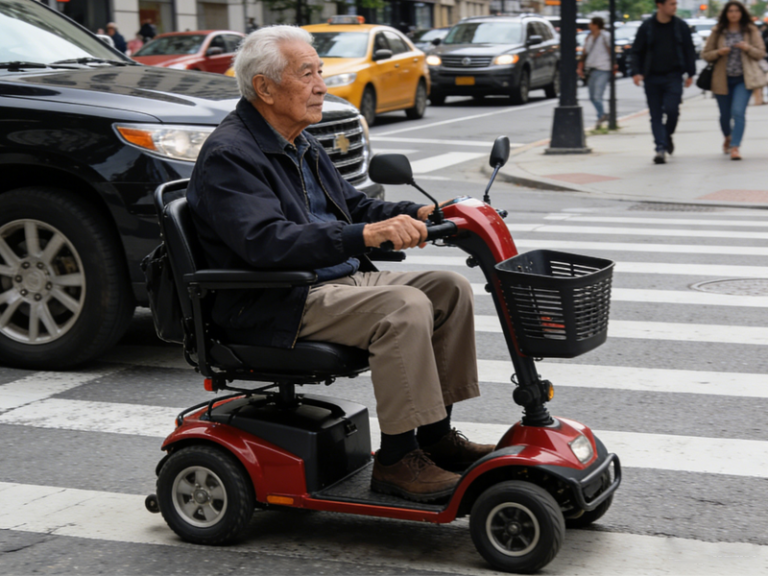
Purchasing a mobility scooter is a meaningful investment in comfort, freedom, and independence. However, ownership does not end at the checkout. Like any complex mobility vehicle, a scooter requires ongoing care, attention, and informed use to remain safe and reliable over time.
Selecting the right mobility scooter often takes careful research, comparisons, and professional guidance. Once you find the model that suits your lifestyle and physical needs, the next priority is ensuring it lasts as long as possible. Understanding common mobility scooter problems, their causes, and how to prevent them is the most effective way to protect that investment.
The battery is the single most common source of mobility scooter breakdowns. Even high-quality batteries have a limited lifespan, and improper handling can shorten that lifespan significantly.
Understanding Battery Lifespan
Most mobility scooter batteries last between 12 and 36 months, depending on usage habits, charging routines, and storage conditions. Factors such as temperature exposure, charging frequency, and depth of discharge all influence how long a battery remains reliable.
Common Battery Mistakes
One of the most damaging habits is allowing the battery to discharge completely before recharging. Repeated deep discharges place stress on the battery’s internal chemistry, gradually reducing its capacity to hold a full charge. Over time, this leads to shorter travel distances and unpredictable power loss.
To avoid this issue:
Recharge the scooter after every use, even if it was only used briefly
Avoid running the battery until it is completely drained
Follow the manufacturer’s recommended charging times
Use the Correct Charger
Always use the charger supplied with your mobility scooter or one approved by the manufacturer. Chargers with incorrect voltage or amperage can cause overheating, slow charging, or internal battery damage. In some cases, incompatible chargers may even pose a fire risk.
Storage Conditions Matter
Temperature plays a critical role in battery health. Batteries should never be stored in freezing conditions or exposed to excessive heat. Extreme temperatures accelerate chemical degradation and permanently reduce capacity.
Best storage practices include:
Storing the scooter in a dry, temperature-controlled environment
Avoiding garages that freeze in winter or overheat in summer
Keeping the battery fully charged during long periods of non-use
Signs of Battery Degradation
Early detection helps prevent unexpected breakdowns. Common warning signs include:
Reduced travel range
Longer charging times
Rapid battery drain during use
Inconsistent power delivery
Replacing a battery proactively is far better than dealing with a sudden loss of power while outdoors.
Tires are often overlooked until they cause discomfort or safety issues. Proper tire maintenance directly affects handling, stability, energy efficiency, and rider safety.
Pneumatic Tire Maintenance
If your mobility scooter uses air-filled (pneumatic) tires, regular pressure checks are essential. Ideally, tire pressure should be checked weekly.
Underinflated tires increase rolling resistance, forcing the motor to work harder and draining the battery faster
Overinflated tires reduce traction and stability, especially on uneven surfaces
Maintaining proper pressure ensures smoother rides and reduces mechanical strain.
Solid and Foam-Filled Tires
Solid or foam-filled tires require less maintenance but should still be inspected regularly. Look for:
Cracks or splitting
Uneven tread wear
Signs of hardening or brittleness
Uneven tire wear may indicate alignment issues or suspension problems that need professional attention.
Annual Professional Inspection
Having your tires inspected annually by a technician can help identify alignment or suspension issues early. Addressing these problems improves ride comfort and reduces stress on the scooter’s drivetrain.
Mobility scooters rely on complex electrical systems. Even a small issue, such as a loose connector or minor corrosion, can result in sudden shutdowns or inconsistent performance.
Common Electrical Problems
Loose wiring connections
Corrosion on terminals
Moisture intrusion
Damaged cables from wear or pinching
Because electrical components are sensitive, moisture is one of the biggest threats.
Cleaning and Care
Electrical contacts should always remain dry. If cleaning is necessary:
Use a dry cloth for routine maintenance
If needed, lightly dampen a cloth with mild soap and water
Never spray water directly onto electrical components
Using Diagnostic Indicators
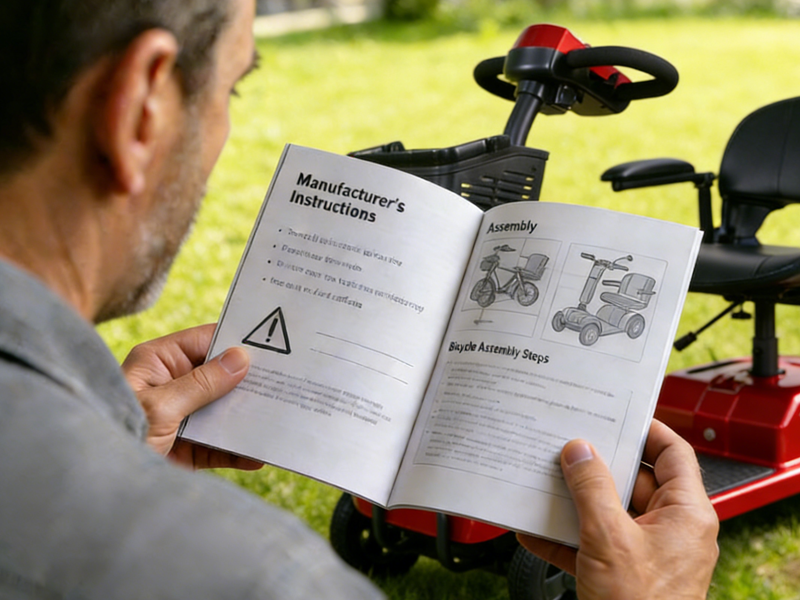
Many modern mobility scooters feature diagnostic lights or error codes. These indicators are designed to help users identify problems quickly. Consulting the user manual can often point to simple fixes, such as reconnecting a loose throttle cable or resetting the system.
Addressing small electrical issues early prevents costly repairs and extends the scooter’s operational life.
The motor is the heart of a mobility scooter. Although motors are built to be durable, improper use can significantly reduce their lifespan.
Common Causes of Motor Strain
Exceeding the scooter’s maximum weight capacity
Frequently climbing steep hills not suited to the model
Continuous operation without rest
Towing or pushing heavy loads
Always confirm that combined user weight and cargo remain within manufacturer limits.
Transmission and Mechanical Components
While scooter motors are typically sealed units, other components such as axles, bearings, and drive systems require periodic attention.
Signs that service may be needed include:
Grinding noises
Unusual vibrations
Reduced climbing ability
Jerky acceleration
Routine lubrication and inspection help prevent long-term damage.
Brakes and throttle response are critical to safe mobility scooter operation.
Brake Function Checks
Most mobility scooters use electromagnetic braking systems that automatically engage when the throttle is released. A brief pre-use test is always recommended.
Warning signs include:
Scooter continues rolling after releasing the throttle
Sudden or uneven stopping
Unusual noises during braking
Any of these issues should be addressed immediately by a professional technician.
Throttle Problems
A throttle that feels sticky, delayed, or overly sensitive is often caused by dirt, moisture, or internal wear. In most cases, professional cleaning or recalibration resolves the issue.
Never attempt to disassemble throttle controls unless trained to do so.
Frame, Seat, and Suspension – Comfort Meets Durability
Structural components may not fail as frequently, but neglecting them can compromise comfort and safety.
Frame and Structural Integrity
Regular visual inspections help identify:
Cracks or bending in the frame
Rust or corrosion
Loose bolts or fasteners
These issues are more common after prolonged outdoor use or travel over rough surfaces.
Seat and Suspension Maintenance
Seat instability often results from loose mounting hardware or worn adjustment mechanisms. Regular tightening and cleaning improve comfort.
Suspension components should be checked for:
Oil leaks
Excessive stiffness
Reduced shock absorption
Well-maintained suspension protects both the rider and internal components from unnecessary stress.
Environmental and Usage Factors – Using the Scooter as Intended
Mobility scooters are designed for specific environments. Using a scooter outside its intended purpose leads to premature wear.
Match the Scooter to the Terrain
Travel scooters are designed for smooth indoor and paved surfaces
Mid-size scooters balance indoor and outdoor use
Heavy-duty scooters handle rougher terrain but may be cumbersome indoors
Using a lightweight scooter on uneven ground increases the risk of mechanical failure.
Weather Exposure Risks
Rain, snow, and high humidity pose serious risks to electrical and mechanical systems. Whenever possible:
Avoid riding in wet conditions
Store the scooter indoors
Use a protective cover
Direct sunlight should also be avoided, as UV exposure degrades plastic components and upholstery over time.
Professional Servicing – Prevention Is Always Cheaper Than Repair
Routine professional servicing is one of the best ways to extend the life of a mobility scooter. Even diligent owners may overlook early signs of wear.
Recommended Service Schedule
Most manufacturers recommend annual servicing, or more frequently for daily-use scooters.
What a Typical Service Includes
| Service Task | Purpose |
|---|---|
| Battery testing | Verifies charging efficiency and voltage |
| Tire inspection | Improves traction and energy efficiency |
| Electrical system check | Identifies wiring and connector issues |
| Motor and brake testing | Ensures safe, reliable performance |
| Software diagnostics (if applicable) | Detects errors and updates firmware |
Professional inspections catch small issues before they become expensive repairs.
Most mobility scooter problems are preventable. With proper charging habits, routine inspections, appropriate usage, and annual servicing, a mobility scooter can remain reliable for many years.
A well-maintained scooter is more than a vehicle—it is a trusted companion that supports independence, confidence, and quality of life. Whether used occasionally or every day, responsible care ensures safe operation and long-term value.
By understanding common issues and addressing them early, mobility scooter owners can enjoy worry-free mobility and peace of mind for the long run.
1. How often should I charge my mobility scooter battery?
You should charge your mobility scooter battery after every use, even if the scooter was only used for a short distance. Regular charging helps prevent deep discharges, which are one of the main causes of early battery failure. Keeping the battery consistently charged extends its lifespan and ensures reliable performance.
2. How long does a mobility scooter battery usually last?
Most mobility scooter batteries last between one and three years, depending on how well they are maintained. Proper charging habits, avoiding extreme temperatures, and using the correct charger all play a major role in maximizing battery life. Frequent deep discharging or improper storage can significantly shorten this timeframe.
3. Can I use my mobility scooter in the rain?
Light rain may not cause immediate damage, but mobility scooters are not designed for wet conditions. Moisture can enter electrical components and lead to corrosion or system failure. Whenever possible, avoid riding in rain or snow, and always store your scooter indoors in a dry environment. Using a waterproof cover can offer extra protection.
4. How do I know when my mobility scooter needs professional servicing?
If you notice reduced driving range, unusual noises, vibration, braking issues, or warning lights on the display, your scooter should be inspected by a professional. Even without obvious problems, it is recommended to have your mobility scooter serviced at least once a year to catch hidden issues early and maintain safe operation.
5. What happens if I exceed the weight limit of my mobility scooter?
Exceeding the manufacturer’s weight capacity puts excessive strain on the motor, battery, suspension, and brakes. Over time, this can lead to faster wear, reduced performance, and potential safety risks. Always follow the recommended weight limit to ensure optimal performance and extend the life of your mobility scooter.