Our Location
Free Trade Tower, Xiyong street.
Chongqing, China

Free Trade Tower, Xiyong street.
Chongqing, China
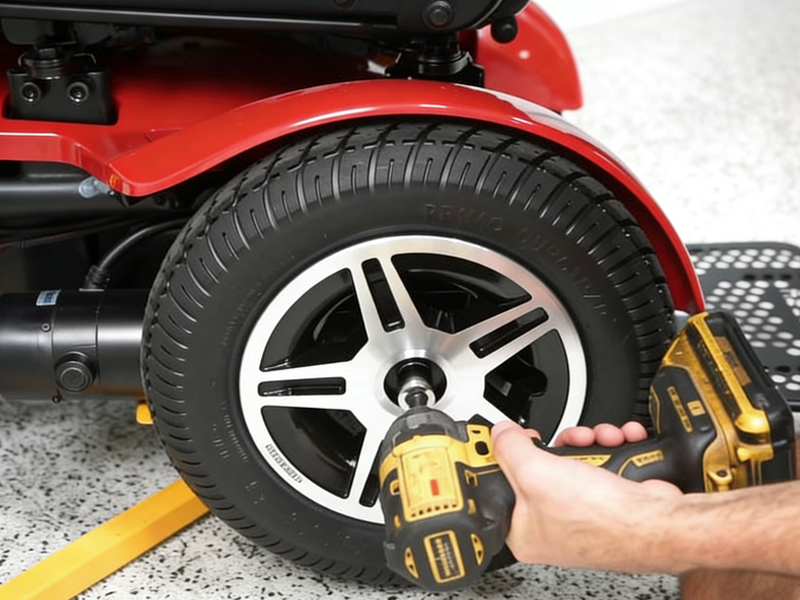
For people with mobility impairments, an electric wheelchair is far more than a device—it is freedom, independence, and the ability to participate fully in daily life. When a power wheelchair stops working properly, it can immediately disrupt routines, limit mobility, and create safety concerns.
The good news is that many common electric wheelchair issues are easier to diagnose and fix than most people think. With basic tools, a little mechanical awareness, and the right approach to troubleshooting, users and caregivers can solve many problems without immediately relying on professional repair services.
Before attempting any repair or maintenance task, preparation is essential. Electric wheelchairs combine mechanical components with electrical systems, so taking proper precautions can prevent injury and protect the equipment from further damage.
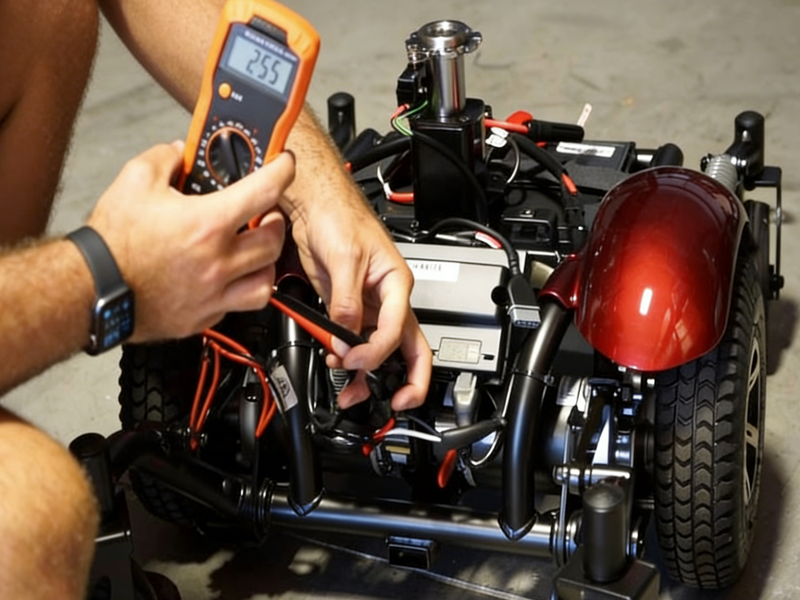
Start by gathering a small set of basic tools. Most routine wheelchair repairs require only standard equipment such as adjustable wrenches, screwdrivers, pliers, and wire cutters. Electrical tape can be useful for protecting wiring connections, while a multimeter is extremely helpful when checking battery voltage or diagnosing electrical faults. If your wheelchair uses pneumatic tires, keeping a small tire repair kit nearby can save you time when dealing with punctures.
Safety should always come first when working on mobility equipment. Before touching any electrical components, disconnect the wheelchair battery completely. This prevents accidental movement and reduces the risk of electric shock. If the wheelchair needs to be lifted or tilted during repair, use proper lifting techniques to protect your back and avoid placing stress on the frame.
Protective gloves and safety glasses are recommended when working near wiring, battery compartments, or metal parts. In addition, always consult the owner’s manual for your specific wheelchair model. Different manufacturers design their systems differently, and the manual often contains valuable diagrams and troubleshooting instructions that simplify the repair process.
Among all electric wheelchair components, the battery plays the most critical role. Nearly every performance issue—reduced speed, shortened driving range, or complete power failure—can be traced back to battery-related problems.
A quick way to check battery health is by measuring voltage with a multimeter. If the reading is lower than the manufacturer’s recommended level, the battery may simply need a full recharge. However, if charging fails to restore normal performance, the battery may be approaching the end of its lifespan.
Over time, wheelchair batteries gradually lose their ability to store energy. This is a natural process caused by repeated charging cycles. As batteries age, users may notice shorter travel distances, slower acceleration, or reduced power on slopes.
Extreme temperatures can accelerate battery wear. Excessive heat can damage battery cells, while prolonged exposure to cold environments can reduce capacity temporarily. Improper charging habits—such as leaving the charger connected for too long or frequently draining the battery completely—can also shorten battery life.
Sometimes the problem is more serious. Swelling, leaking, or corrosion around battery terminals indicates chemical damage inside the battery. In these cases, the battery should never be repaired or reused. A leaking battery can release corrosive acid that damages surrounding components and poses a safety hazard.
If leakage or swelling is detected, the safest solution is immediate battery replacement followed by a careful inspection of the battery compartment. Cleaning corrosion from terminals and checking nearby wiring can prevent future electrical issues.
Charging issues are another common concern. A faulty charger, loose cable connection, or incorrect charger type can prevent the battery from charging properly. Always ensure the charger is compatible with the battery type installed in the wheelchair. Cleaning battery terminals and tightening connections can often restore normal charging behavior.
If charging problems continue even after checking cables and chargers, the issue may lie within the wheelchair’s internal electronics. At that point, professional service is usually the best option.
Electric wheelchairs rely heavily on their tires and wheels for stability, traction, and smooth operation. Because these components constantly contact the ground, they naturally experience wear over time.
Flat tires are one of the most common problems wheelchair users face. Sharp objects, uneven terrain, or simple wear can cause punctures that lead to slow air leaks. When a flat tire occurs, users can often repair it using a patch kit or by replacing the inner tube.
Repairing a flat tire usually involves removing the wheel, separating the tire from the rim, patching the damaged area, and reinstalling the tube before inflating the tire to the correct pressure. While the process may seem intimidating at first, many wheelchair users quickly become comfortable performing this repair.
Even when punctures are not present, tire tread gradually wears down with regular use. As the tread becomes thinner, traction decreases and the wheelchair may slip more easily on smooth or wet surfaces. Worn tires can also affect braking performance and stability.
Replacing worn tires is generally straightforward with the right tools. The wheel must first be removed from the wheelchair frame. The tire is then pried off the rim, the old tube is removed or patched, and the new tire or tube is installed. Once the tire is inflated and seated correctly, the wheel can be mounted back onto the chair.
Wheel alignment is another factor that influences how smoothly a wheelchair moves. Misaligned wheels can cause uneven tire wear, vibration during driving, or difficulty steering in a straight line. Minor adjustments may be possible at home, but severe alignment issues often require a trained technician to recalibrate the system properly.
While tire and battery issues are relatively easy to address, motor and electrical problems can be more complex.
The electric motor is responsible for converting battery power into movement. Although modern wheelchair motors are designed for durability, they can still fail due to heavy use, electrical faults, or mechanical wear.
Signs of motor trouble may include unusual noises, slow acceleration, inconsistent movement, or the inability of the wheelchair to move at all. In some cases, the motor may still function but struggle under load, especially when climbing slopes or carrying heavier weight.
Motor replacement typically involves disconnecting wiring, removing mechanical mounts, and installing a new motor assembly. Because the motor must be aligned and calibrated precisely, this repair is usually best handled by professional technicians.
Electrical connection problems are more common and often easier to fix. Loose wiring, corroded connectors, or damaged cables can interrupt power flow within the wheelchair system. These issues may cause intermittent shutdowns, inconsistent speed control, or complete loss of power.
Checking visible wiring connections is a good first step. Tightening loose terminals and cleaning corrosion with appropriate electrical cleaning solutions can often restore proper function.
Another protective component inside electric wheelchairs is the fuse or circuit breaker system. These devices protect the electrical system from overload or short circuits. When a fuse blows or a breaker trips, the wheelchair may suddenly stop working or certain functions may stop responding.
Fortunately, replacing a fuse or resetting a breaker is usually simple. The fuse compartment can typically be accessed through a panel near the battery area. Always replace blown fuses with the same rating recommended by the manufacturer.
The joystick controller acts as the communication bridge between the user and the wheelchair’s electronic control system. If the wheelchair does not respond correctly to joystick movements, the issue may lie in calibration, wiring, or internal controller settings.
One common symptom is delayed or inaccurate movement after the joystick is pushed. In many cases, recalibrating the joystick according to the manufacturer’s instructions can resolve the problem.
Loose or damaged cables connecting the joystick to the main controller can also cause erratic behavior. Inspecting these connections carefully may reveal bent pins, worn connectors, or partially disconnected wires.
If the joystick itself becomes physically damaged or fails electronically, replacement may be necessary. Fortunately, many wheelchair models allow the joystick module to be replaced without disassembling the entire system.
The best way to reduce wheelchair repair needs is through regular maintenance. A few simple habits can dramatically extend the life of key components.
Keeping the wheelchair clean prevents dirt and moisture from damaging electrical parts. Regularly checking tire pressure improves efficiency and reduces wear. Ensuring battery terminals remain clean and secure helps maintain reliable power flow.
It is also helpful to perform periodic visual inspections of wiring, connectors, and moving parts. Identifying small problems early often prevents expensive repairs later.
For users who rely heavily on their wheelchairs every day, scheduling occasional professional maintenance checks can provide additional peace of mind.
Frequently Asked Questions
1. How long do electric wheelchair batteries typically last?
Most electric wheelchair batteries last between 12 and 24 months, depending on usage patterns, charging habits, and environmental conditions. Regular charging, avoiding deep discharges, and storing the wheelchair in moderate temperatures can significantly extend battery life.
2. Can users repair electric wheelchair tires themselves?
Yes. Many flat tires or worn tubes can be repaired at home using basic tools and a tire repair kit. However, if the wheel hub, rim, or alignment is damaged, it may be safer to seek professional assistance.
3. When should I contact a professional wheelchair technician?
Professional repair is recommended when dealing with motor failures, complex electrical wiring issues, controller malfunctions, or structural frame damage. These repairs require specialized tools and technical expertise to ensure the wheelchair remains safe and reliable.