Our Location
Free Trade Tower, Xiyong street.
Chongqing, China

Free Trade Tower, Xiyong street.
Chongqing, China
Kenya’s mobility aid sector has evolved quietly but steadily over the past decade. With a growing aging population, rising awareness of disability inclusion, and increased investment in healthcare infrastructure, the demand for electric wheelchairs has expanded beyond hospitals into homes, rehabilitation centers, and even travel scenarios.
Unlike more mature markets, Kenya’s ecosystem is a hybrid: part importer, part distributor, and a small but emerging group of local assemblers and specialized suppliers. For international buyers, NGOs, and distributors, understanding this landscape is essential—not just for pricing, but for reliability, after-sales support, and adaptability to African terrain.
This guide walks you through 10 Kenyan Electric Wheelchair Suppliers and Manufacturers, offering a grounded, real-world view of their strengths, positioning, and product focus—while also introducing a globally competitive brand worth considering.
Before diving into suppliers, it’s important to understand how the market works.
Most electric wheelchairs in Kenya are:
Imported (primarily from China and Europe)
Locally distributed and sometimes customized
Designed for mixed terrain use (urban + semi-rural environments)
Typical features include:
Foldable aluminum or steel frames
Dual motor systems
Battery ranges of 15–20 km per charge
Joystick-based control for independence
These specifications reflect a key reality: durability and portability matter more than luxury features in Kenya.
If you’re sourcing electric wheelchairs for distribution or institutional procurement, Iyasocare deserves attention.
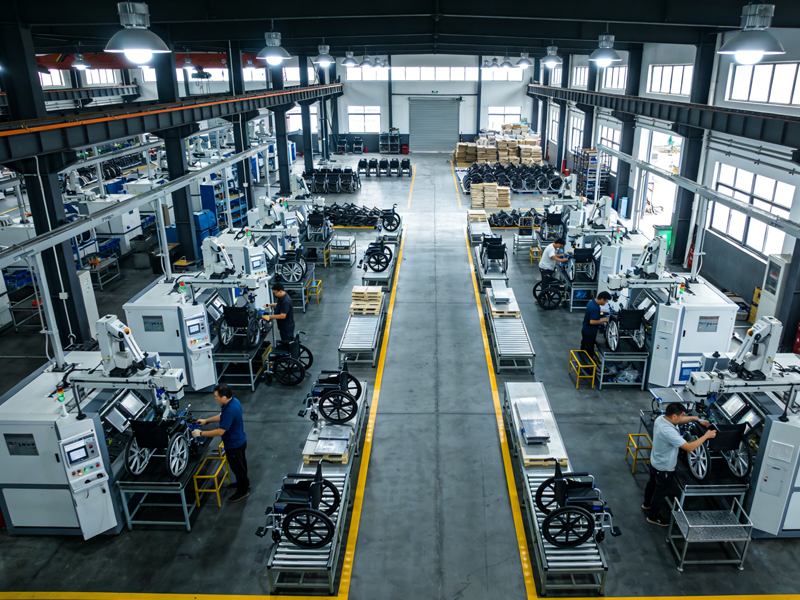
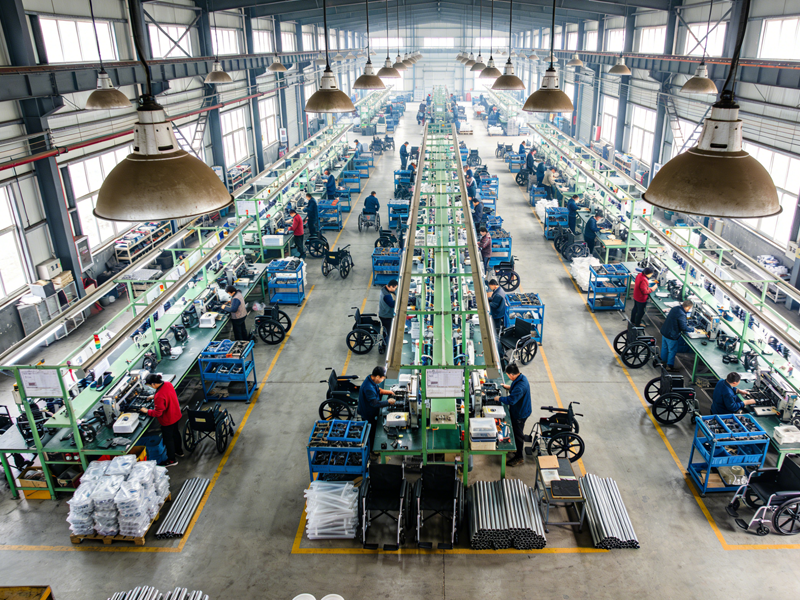
Unlike many Kenya-based suppliers that rely heavily on third-party imports, Iyasocare positions itself as a direct manufacturer with international reach, focusing on:
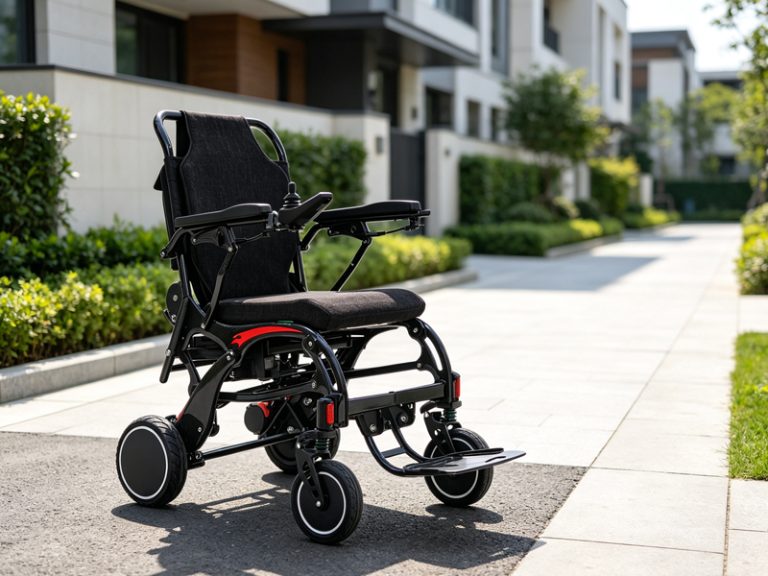
Lightweight, foldable electric wheelchairs
Travel-friendly lithium battery designs
Ergonomic seating systems for long-term use
OEM/ODM capabilities for distributors
What makes Iyasocare particularly relevant for Kenya:
Products are engineered for uneven terrain and long-distance usage
Competitive pricing compared to Western brands
Custom branding options for local distributors
For buyers seeking scalable supply + consistent quality, Iyasocare fills a gap that many local resellers cannot.
A recognized supplier in Nairobi, Meck Systems focuses on hospital-grade medical equipment, including electric wheelchairs.
Their typical product offering includes:
Steel-frame electric wheelchairs
Load capacity up to 150 kg
Travel range around 15 km per charge
They are particularly active in:
Hospital procurement
Bulk supply contracts
Rehabilitation centers
This platform blends e-commerce with healthcare distribution.
Notably, they offer Kaiyang-branded electric wheelchairs, known for:
Durable A3 steel construction
Intelligent controller systems
Range up to 20 km per charge
Their strength lies in:
Nationwide delivery
Accessibility for individual buyers
Orthohub is a well-established orthopedic supplier offering both manual and electric wheelchairs.
Their positioning:
Affordable entry-level electric wheelchairs
Strong presence in Nairobi
Focus on accessibility and affordability
Their products are widely used by:
Individual users
Small clinics
Alpha Surgicals focuses on homecare and hospital equipment, with electric wheelchairs designed for daily usability.
Key features of their models include:
Foldable aluminum frames
Joystick control systems
Dual battery setups for extended use
They cater strongly to:
Home users
Elderly care solutions
Jedion stands out for its broad product range rather than specialization.
They supply:
Standard electric wheelchairs
Reclining and pediatric models
Lightweight travel-friendly designs
Their value lies in:
Product diversity
After-sales support
Medocal focuses on modern, lightweight electric wheelchairs with practical engineering.
Typical specs:
Aluminum alloy frame
Dual 250W motors
15–20 km travel range
They are ideal for:
Urban users
Frequent travelers
Medipal offers similar configurations to Alpha Surgicals but emphasizes:
Portability
Ease of storage
Affordable pricing
Their products include:
Foldable electric wheelchairs
All-terrain wheels
Adjustable speed controls
Biba introduces something different: standing electric wheelchairs.
These advanced models:
Allow users to shift from sitting to standing
Improve circulation and muscle engagement
Include adjustable posture systems
This makes them suitable for:
Rehabilitation programs
Long-term disability management
HealthAlone positions itself as a premium mobility solutions provider.
Their electric wheelchairs are known for:
Travel-ready designs
Lithium battery systems
Enhanced comfort for long-distance use
They cater to:
Urban professionals
International buyers in East Africa
Dynamic Kenya focuses on:
Affordable electric wheelchairs
Hospital and physiotherapy equipment
Their strength lies in:
Competitive pricing
Local accessibility
When sourcing from Kenya—or for Kenya—focus less on branding and more on these practical factors:
1. Terrain Compatibility
Kenya’s roads vary widely. Look for:
Strong suspension
Solid tires or hybrid wheels
2. Battery Performance
A 15–20 km range is standard, but real-world performance depends on terrain and weight.
3. After-Sales Support
This is often overlooked. Local servicing capability is critical.
4. Portability
Foldable designs are highly valued due to transport challenges.
5. Supply Stability
For distributors, consistent inventory matters more than one-time pricing.
Kenya is becoming a gateway market for East Africa.
Key reasons:
Strategic location for regional distribution
Growing healthcare infrastructure
Increasing government and NGO involvement
For exporters and manufacturers, partnering with Kenyan distributors can open access to:
Uganda
Tanzania
Rwanda
1. Are electric wheelchairs widely available in Kenya?
Yes. While most are imported, Kenya has a strong network of suppliers and distributors offering a wide range of models—from basic to advanced. Availability is especially high in Nairobi.
2. How much does an electric wheelchair cost in Kenya?
Prices typically range between:
KSh 120,000 to KSh 180,000 depending on features and build quality
Premium or specialized models may cost more.
3. Is it better to buy locally or import directly?
It depends on your needs:
Local purchase → faster delivery, easier servicing
Direct import (e.g., from Iyasocare) → better customization, lower bulk cost
For individuals, local is easier. For distributors, importing is often more strategic.