Our Location
Free Trade Tower, Xiyong street.
Chongqing, China

Free Trade Tower, Xiyong street.
Chongqing, China
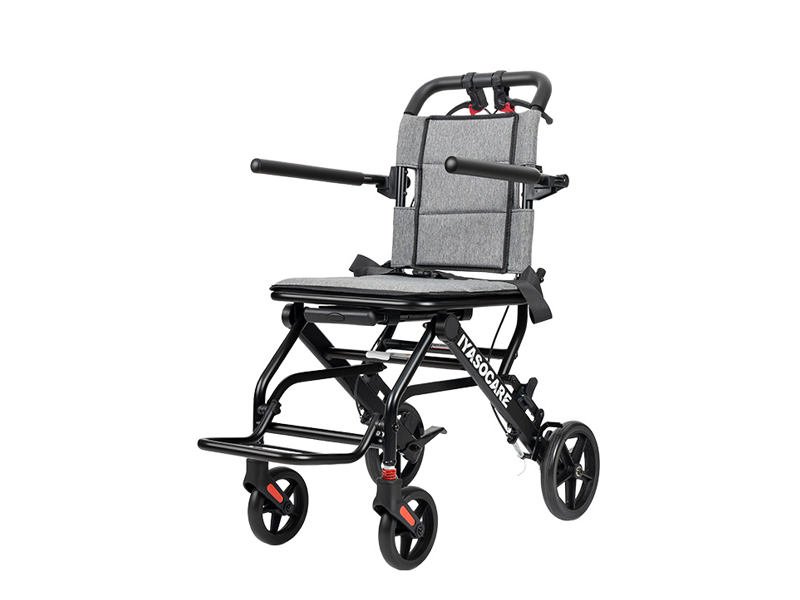
Air travel should expand freedom—not create barriers. Yet for wheelchair users, flying often raises one urgent question: Which wheelchair models are permitted on aircraft, and how can you choose one that travels smoothly?
The answer depends on aircraft type, airline policies, cabin storage dimensions, battery regulations (for powered chairs), and whether the wheelchair can be folded, collapsed, or safely gate-checked. In practice, lightweight folding manual wheelchairs remain the easiest category for air travel, especially for travelers who want fewer complications at check-in, boarding, and baggage handling. Airlines commonly prioritize compact mobility devices that can fit in closets, overhead storage (on some aircraft), or cargo holds with minimal risk.
For frequent flyers, choosing the right wheelchair is not just about mobility—it is about protecting independence, avoiding damage, and reducing travel stress. Many travelers report that folding chairs with removable parts, compact frames, and manageable weight perform far better during airport transfers and boarding processes.
While each airline has its own procedures, most carriers accept mobility devices under accessibility regulations. The real issue is how the chair is transported.
In general, airlines handle wheelchairs in four common ways:
1. Cabin Storage
Small manual folding wheelchairs may fit in onboard closets or designated storage areas, depending on aircraft size.
2. Gate Check
Many passengers use their wheelchair through the airport, then hand it over at the aircraft door for loading.
3. Cargo Hold Transport
Larger or non-folding wheelchairs are transported in the hold.
4. Special Handling for Powered Chairs
Battery type, weight, and dimensions matter. Lithium batteries often require advance approval.
Because of these variables, manual folding wheelchairs are often the least complicated option for international and domestic travel.
Instead of focusing only on “airline approved” marketing language, look at functional details that actually matter in airports.
Compact Folding Size
A wheelchair that folds quickly saves time at security, boarding gates, and storage points.
Lower Overall Weight
Lighter chairs are easier for caregivers, ground staff, and travelers themselves.
Durable Frame Construction
Air travel can be rough on equipment. Strong steel or aluminum frames help reduce damage risk.
Removable or Fold-Down Components
Footrests, armrests, and folding backrests create a smaller travel footprint.
Reliable Daily Comfort
A travel chair still needs to perform once you land.
That balance—portability plus everyday usability—is where the best travel wheelchairs stand out.
Below are three strong manual wheelchair options from IYASOCARE that align well with the needs of airline travelers.
https://www.IYASOCARE.com/products/lightweight-foldable-carbon-steel-wheelchair/

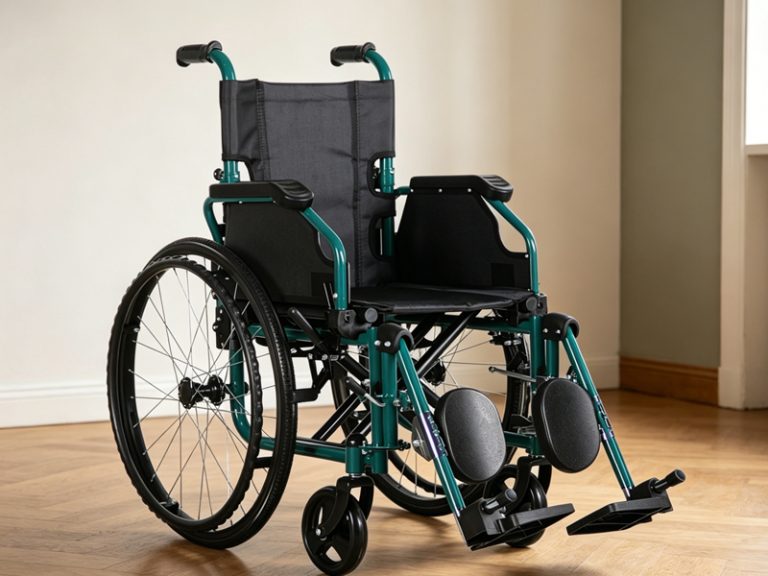
For travelers who want durability without excessive bulk, this model offers an excellent middle ground. Carbon steel provides dependable structural strength, making it suitable for repeated transport, airport handling, and daily use after arrival.
Its foldable structure helps reduce size during boarding and storage, while the stable frame inspires confidence on varied surfaces such as terminals, sidewalks, hotel lobbies, and cruise ports.
Why It Works for Air Travel
Best For
Frequent travelers who value toughness, reliability, and practical long-term ownership.
https://www.IYASOCARE.com/products/manual-wheelchair-ysm2003/
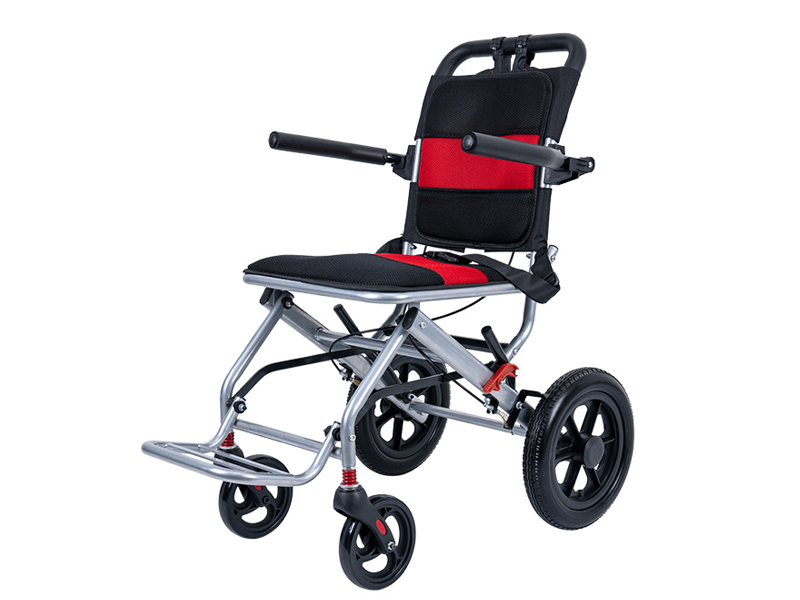
The YSM2003 is a particularly smart option for people seeking a balance between home comfort and travel convenience. According to available product information, its foldable backrest adds valuable compactness—something many travelers underestimate until they face taxi trunks, shuttle vans, or narrow storage spaces.
Unlike ultra-minimal travel chairs, this model feels more like a daily wheelchair that also travels well.
Why It Works for Air Travel
Best For
Travelers who need one wheelchair for everyday life and flights, rather than owning separate indoor and travel models.
https://www.IYASOCARE.com/products/lightweight-folding-manual-wheelchair-sm2029/
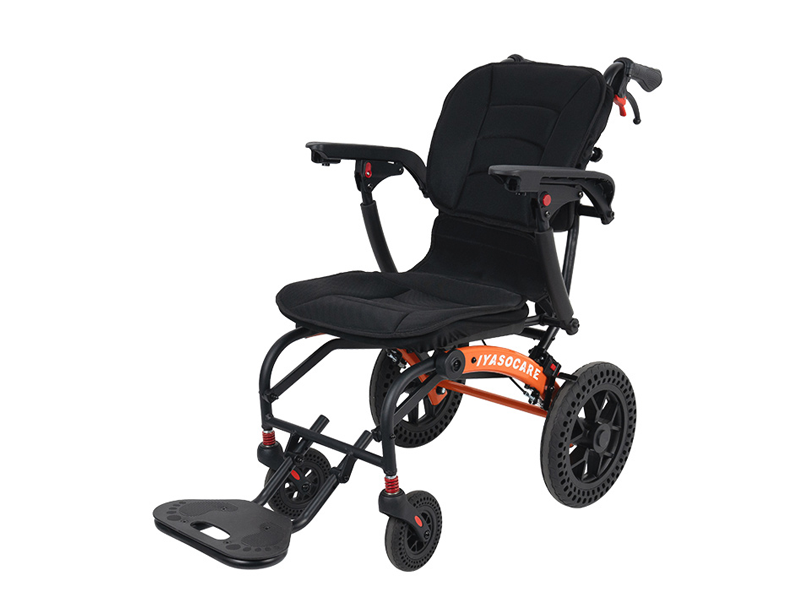
If your priority is portability, the SM2029 deserves close attention. Lightweight manual chairs are often the easiest category for airport movement because they simplify transfers, folding, and lifting.
A model like this is ideal for city breaks, family holidays, medical travel, and passengers who want a smoother airport experience.
Why It Works for Air Travel
Best For
Users prioritizing simplicity, portability, and efficient travel movement.
Rather than asking “Which wheelchair is best?”, ask:
Choose the Carbon Steel Model if:
You need strength, resilience, and dependable daily use with travel capability.
Choose the YSM2003 if:
You want a balanced chair for home living and regular trips.
Choose the SM2029 if:
You travel often and want the easiest handling experience.
Even the best wheelchair needs proper travel preparation.
Contact the Airline in Advance
Notify the airline at booking and reconfirm 48 hours before departure.
Measure Your Chair
Have folded width, height, length, and total weight ready.
Label Everything
Include name, phone, and destination tags.
Remove Loose Accessories
Cushions, side bags, and detachable supports should travel separately.
Photograph the Wheelchair Before Boarding
Helpful if damage claims are needed later.
Arrive Early
Accessibility assistance can take additional time.
While powered mobility devices are invaluable for many users, manual folding wheelchairs remain the most convenient category for flying because they avoid battery compliance issues, reduce handling complexity, and typically fit more airline scenarios.
For many international travelers, they are simply the smartest tool for the journey.
When choosing wheelchair models permitted on aircraft, the smartest decision is not chasing marketing labels—it is selecting a chair designed for real travel conditions.
The three IYASOCARE options above each solve a different traveler need:
For most flyers, a well-built folding manual wheelchair can transform airport travel from stressful to manageable.
The right chair does not just move you. It gives you confidence to go farther.
1. Can I take my wheelchair directly to the aircraft gate?
Yes. Most airlines allow gate use before boarding, then staff load it into storage or cargo.
2. Are folding manual wheelchairs better than electric wheelchairs for flights?
For many travelers, yes. They are lighter, simpler, and avoid battery restrictions.
3. How do I reduce the risk of wheelchair damage during flights?
Use a foldable model, remove loose accessories, label clearly, photograph it before departure, and notify staff about handling points.