Our Location
Free Trade Tower, Xiyong street.
Chongqing, China

Free Trade Tower, Xiyong street.
Chongqing, China
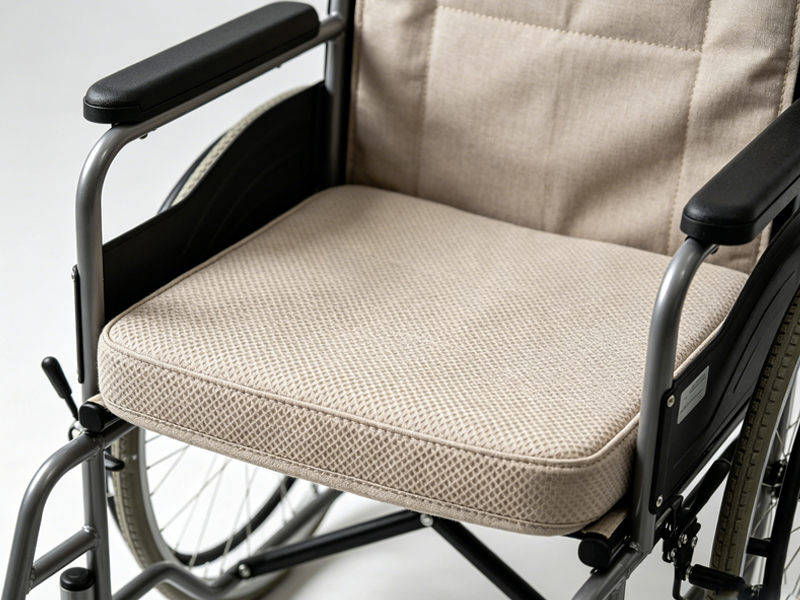
When people search for a wheelchair cushion, comfort is usually the first concern. Pressure relief, posture support, and breathability often dominate the conversation. Yet one critical detail that many buyers overlook is the outer fabric. The material covering a wheelchair cushion directly affects durability, hygiene, maintenance, and even the user’s day-to-day comfort. Among the many upholstery materials available today, Oxford cloth has steadily gained attention in the mobility support market for one simple reason—it balances functionality with practicality.
how are Oxford cloth wheelchair cushions really? Are they suitable for daily use? Do they perform well for long-term wheelchair users? And perhaps most importantly, are they worth choosing over mesh, leatherette, cotton, or gel-based alternatives?
The answer is not as simple as yes or no. Oxford cloth wheelchair cushions have distinct advantages, but like any material, they also come with limitations. Understanding how this fabric performs in real-world conditions is essential before making a purchase decision.
Oxford cloth is a woven fabric originally developed for strength and durability. Traditionally made from cotton, modern Oxford cloth used in medical seating products is usually manufactured from polyester or nylon blends. These synthetic versions offer significantly better abrasion resistance, moisture protection, and structural stability compared with natural fibers.
What makes Oxford cloth unique is its basket-weave structure. Instead of a flat, simple weave, the fibers interlock in a way that creates a slightly textured surface. This structure improves tensile strength while maintaining flexibility. In wheelchair cushions, this means the cover can withstand repeated compression, body movement, transfers, and daily friction without easily tearing or thinning.
For wheelchair users who spend extended hours seated, fabric integrity matters more than many people realize. Weak upholstery can crack, split, or lose shape over time, exposing inner foam or gel layers and reducing the cushion’s effectiveness. Oxford cloth addresses this issue by offering a tougher protective layer without making the cushion feel excessively rigid.
The material is also commonly treated with water-resistant coatings. This adds another practical advantage in healthcare environments or home care situations where spills, sweat, or humidity are part of everyday life.
A common concern among buyers is whether Oxford cloth feels rough or uncomfortable. Since Oxford fabric is known for toughness, some assume it sacrifices softness. In reality, the experience depends heavily on fabric density, coating, and cushion construction.
High-quality Oxford cloth wheelchair cushions typically feel smooth with a slight texture. They are not plush like velvet or soft cotton, but they do not feel abrasive against clothing or skin either. Most users interact with the fabric through clothing rather than direct skin contact, so comfort is often more related to the internal cushion core than the outer fabric itself.
Still, the cover plays a role in temperature regulation and friction control. Oxford cloth tends to stay more neutral in temperature than synthetic leather, which can become hot and sticky after prolonged sitting. Compared with cotton covers, Oxford cloth usually feels less absorbent but more stable.
For active wheelchair users who transfer frequently, the slightly grippy texture can actually be beneficial. It helps reduce unwanted sliding while still allowing repositioning when needed.
One of the strongest selling points of Oxford cloth wheelchair cushions is durability. For many users, a wheelchair cushion is not an occasional comfort accessory—it is a daily necessity used for hours at a time.
Frequent sitting, shifting body weight, transferring between wheelchair and bed, or navigating uneven surfaces places constant stress on cushion materials. Over time, lower-grade fabrics can fray, pill, stretch, or split.
Oxford cloth performs exceptionally well under these conditions.
Its resistance to abrasion makes it especially valuable for:
Unlike vinyl or PU leather, Oxford cloth does not typically crack due to temperature fluctuations. Unlike cotton covers, it is less likely to absorb oils, sweat, or moisture that gradually weaken fabric fibers.
For users living in humid climates, this becomes particularly important. Fabric degradation often happens faster in warm, moist environments, and Oxford cloth generally performs better than traditional textile alternatives.
It is important to clarify that Oxford cloth itself does not provide pressure relief. The real pressure management comes from the internal support materials—memory foam, gel inserts, air cells, or high-density foam.
However, the cover still affects how effectively these materials perform.
A cover that stretches too much can reduce postural stability. A cover that traps heat may cause sweating, discomfort, and skin irritation. A cover that wrinkles easily may create pressure points.
Oxford cloth tends to offer a balanced performance. Because it maintains structural integrity under repeated compression, it helps preserve the intended contour of the cushion beneath it. This consistency supports better positioning over time.
For individuals at risk of pressure injuries, consistent seating posture is essential. A durable cover that does not deform prematurely can contribute indirectly to healthier seating outcomes.
That said, users with severe skin sensitivity may prefer cushions that combine Oxford cloth side panels with softer contact surfaces, such as breathable mesh tops.
For many caregivers and healthcare professionals, ease of cleaning is one of the most important purchasing factors.
Oxford cloth excels in this area.
Most Oxford fabric wheelchair cushion covers can be cleaned using:
Because the fabric often includes water-resistant coatings, liquids usually remain on the surface long enough to be wiped away before penetrating deeper layers.
This makes Oxford cloth particularly useful in:
Users managing incontinence, excessive sweating, or accidental spills often find Oxford cloth significantly easier to maintain than cotton alternatives.
Regular cleaning also helps extend product life, preserving both hygiene standards and appearance.
Breathability is one area where Oxford cloth receives mixed feedback.
Compared with leather or synthetic vinyl, Oxford cloth generally performs better because it does not completely trap heat. However, compared with open mesh fabrics, airflow is naturally more limited.
This means climate matters.
In moderate or cool environments, Oxford cloth usually feels comfortable throughout extended use. In hot climates or users who perspire heavily, airflow may become a concern if the cushion lacks ventilation channels.
Manufacturers often solve this issue by combining Oxford cloth with perforated foam cores or breathable side panels.
If temperature management is a priority, buyers should focus not only on the cover material but on the cushion’s full construction system.
Oxford cloth performs particularly well in mixed-use environments.
Users who regularly transition between indoor living spaces and outdoor environments often need materials that can handle:
Oxford cloth is naturally suited for these conditions because of its resistance to wear and environmental stress.
For active users, this can be a major advantage over softer fabrics that stain easily or synthetic covers that overheat in direct sunlight.
When evaluating wheelchair cushions, comparing materials side by side provides better context.
Oxford Cloth vs Cotton
Cotton feels softer initially, but it absorbs sweat and moisture more easily. Over time, this can lead to odor retention and fabric fatigue.
Oxford cloth offers superior durability and easier cleaning, though cotton may feel more breathable.
Oxford Cloth vs Mesh
Mesh provides better airflow, making it ideal for hot climates. However, it may wear faster under heavy daily use.
Oxford cloth offers stronger structural durability.
Oxford Cloth vs PU Leather
PU leather is easy to wipe clean but often becomes hot, sticky, and prone to cracking.
Oxford cloth generally lasts longer in varied environments.
Oxford Cloth vs Neoprene Covers
Neoprene offers water resistance but can trap heat.
Oxford cloth usually provides better temperature balance.
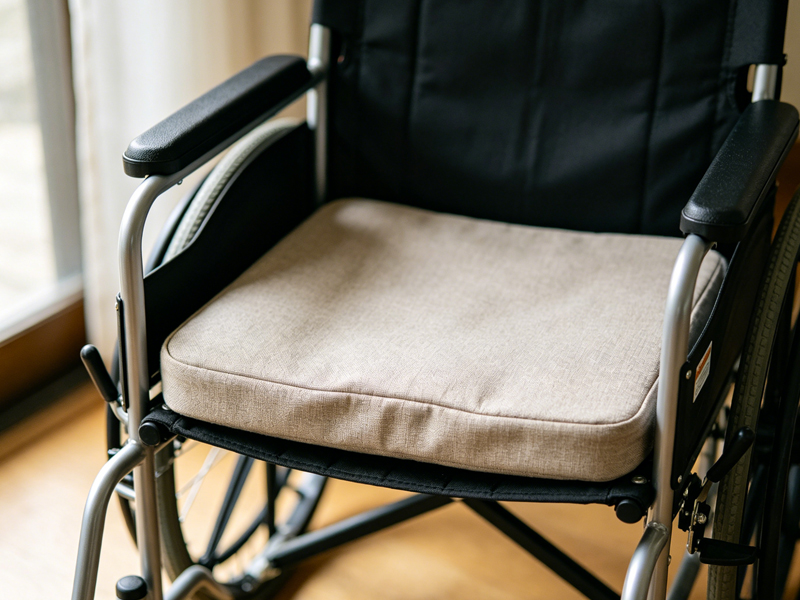
Oxford cloth wheelchair cushions are especially well suited for:
They may be less ideal for:
In most cases, yes.
Oxford cloth wheelchair cushions deliver an excellent balance of durability, practicality, and long-term usability. They are particularly strong in environments where repeated use, easy cleaning, and structural reliability matter more than luxury softness.
While they may not provide the highest level of breathability compared with advanced mesh systems, their resistance to wear, moisture, and daily friction makes them a dependable choice for both personal and clinical use.
For users seeking a wheelchair cushion that can withstand real life—not just showroom conditions—Oxford cloth remains one of the most practical upholstery options available today.
The best cushion is never defined by fabric alone, but when durability, maintenance, and performance are part of the decision, Oxford cloth deserves serious consideration.