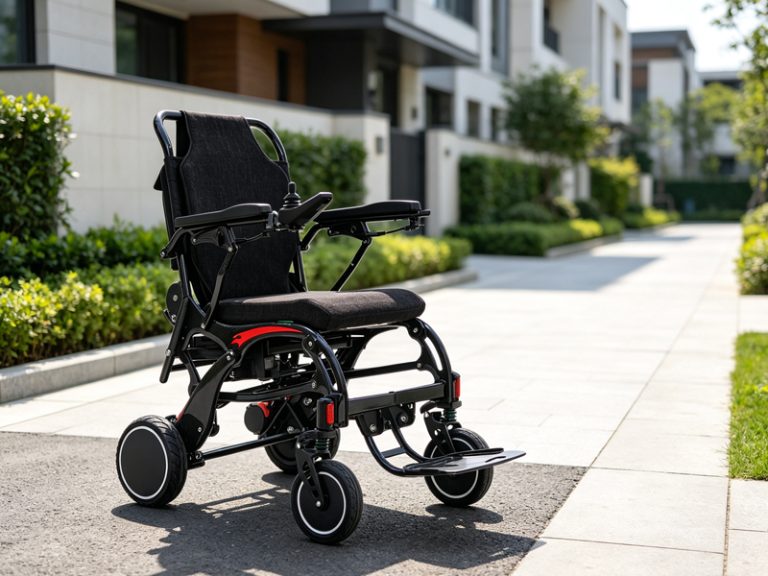
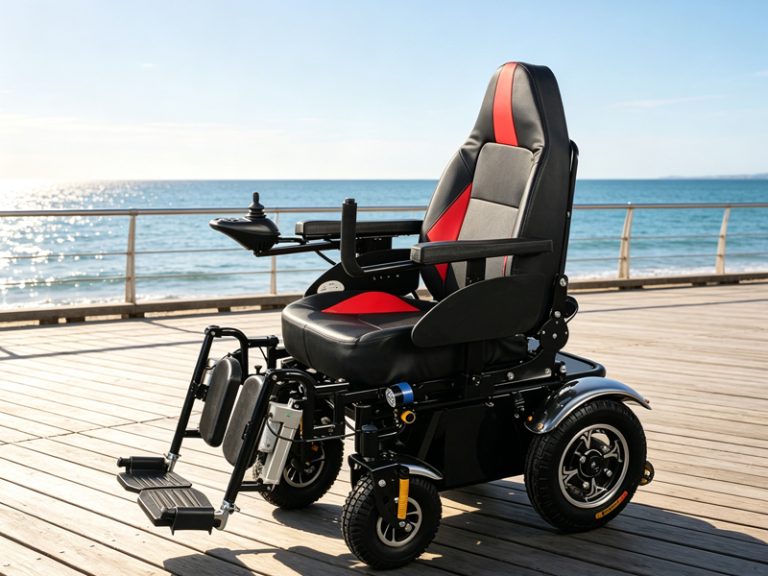
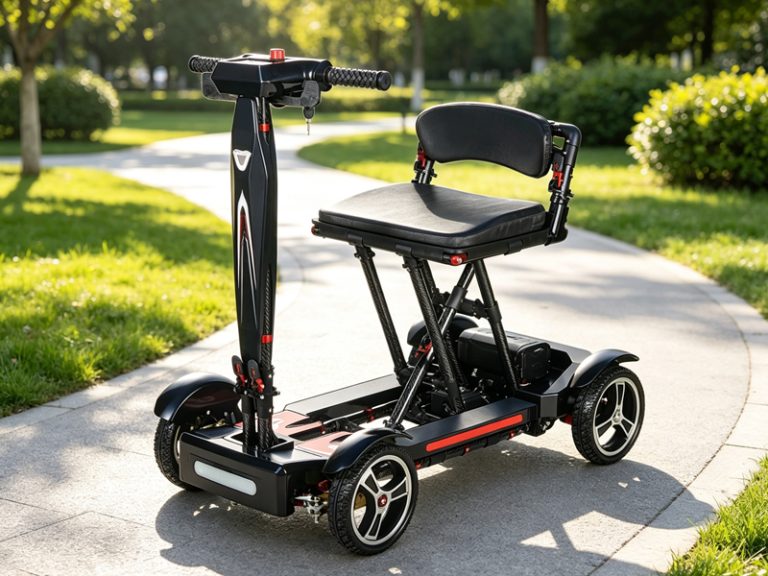
Our Location
Free Trade Tower, Xiyong street.
Chongqing, China

Free Trade Tower, Xiyong street.
Chongqing, China
Mobility is freedom. For millions of adults worldwide who rely on wheelchairs for daily living, comfort, performance, and independence are not luxuries — they are essential foundations of a full life. Today we explore a range of high-quality adult mobility wheelchairs designed around a 100 kg load capacity, each bringing a unique blend of design, technology and user-centric innovation to the forefront. Covering manual sports models, advanced electric standing systems, and cutting-edge carbon fiber builds, these options showcase what modern mobility means in 2025.
Whether you’re researching the best lightweight wheelchair for travel, the most versatile electric standing chair for rehabilitation, or a sports-grade manual chair for active lifestyles, this deep-dive will help you understand how the right wheelchair can transform daily routines into liberated living.
At the core of all mobility wheelchairs is a balance between load capacity and usability. A 100 kg (≈220 lb) capacity is a common benchmark that meets the needs of most adult users while keeping the chair’s overall weight and footprint manageable for regular transport and everyday use. Across product types — from manual to electrically powered — engineering choices such as frame material, wheel size, ergonomic design, and safety features shape how a wheelchair performs in real life.
One of the standout approaches to adult mobility is the lightweight sports wheelchair category, exemplified by models like the Lightweight Sports Wheelchair with Quick Release Wheels, Foldable and the Lightweight Carbon Fiber Sport Wheelchair with Anti-Tip Wheels.
These chairs are not just about mobility — they’re about response and confidence. Built with aviation-grade aluminum alloy or full carbon fiber frames, these wheelchairs achieve net weights in the low teens of kilograms, significantly lighter than traditional manual chairs. The aluminum-alloy variant weighs around 12.5 kg, yet can carry up to 100 kg safely and comfortably.
The use of lighter materials like carbon fiber pushes this even further. Carbon fiber offers the rare combination of exceptional strength, shock tolerance and extremely low weight. The carbon fiber sports chair typically weighs around 10.5 kg while maintaining a 100 kg load rating.
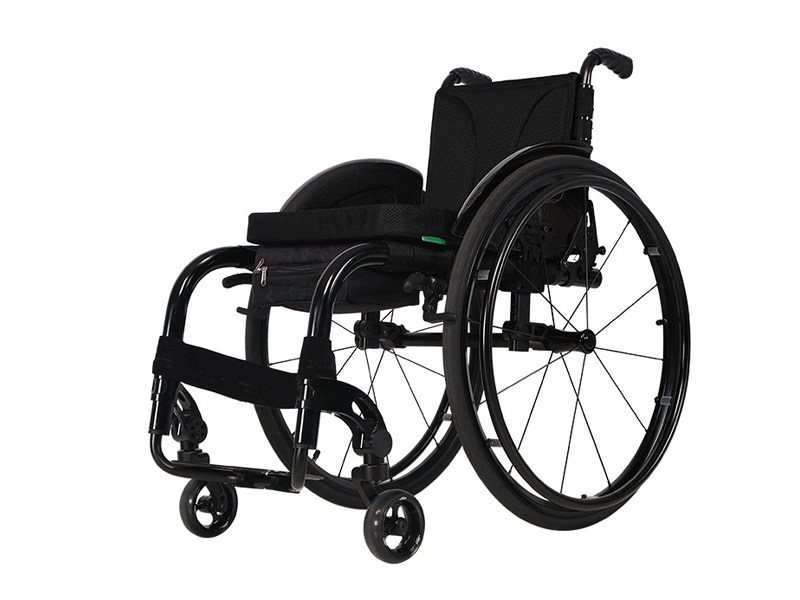
Why does this matter? A lighter chair is easier to propel, easier to lift into a vehicle, and more responsive during tight maneuvers — whether outdoors on uneven paths or indoors through confined spaces. Wheels sized around 24 in at the rear and 4 in at the front offer smooth rolling action and steering precision, while anti-tip wheels improve safety by preventing backward rollover during dynamic movement
But it’s not just about speed and agility. Ergonomics matter greatly in long-term wheelchair use. Adjustable seat widths (from roughly 36 cm to 42 cm) and depth configurations help the chair conform to the user’s body, reducing pressure points and supporting proper posture — essential for daily comfort as well as performance.
Foldability and quick-release wheels add another layer of quality. When a wheelchair can collapse or be disassembled rapidly, users gain more than convenience — they gain the ability to travel, store, and transport their mobility device with minimum effort.
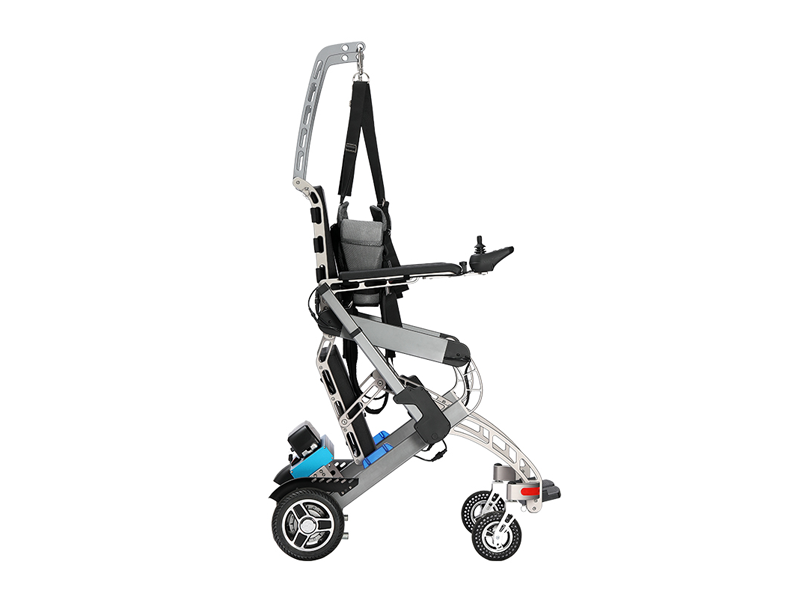
Manual mobility chairs are transformative, but electric standing wheelchairs represent a different leap forward. A product like the Electric Standing Wheelchair with Sit-to-Stand Mobility Support integrates power assist with rehabilitation-oriented functionality.
Unlike traditional electric chairs that only propel the user, standing electric wheelchairs enable a smooth transition from sitting to upright standing. This capability plays a meaningful role in posture correction, spine health, pressure sore prevention, and even social engagement by allowing eye-level interaction with others — an often overlooked but powerful benefit of standing mobility.
Powered by a lightweight yet durable aluminum frame, these chairs typically include 24 V lithium batteries with ranges up to 20 km per charge and speeds up to 6 km/h. Built-in electromagnetic brakes and intelligent grade handling support stable navigation across indoor and gentle outdoor terrain.
From a user’s perspective, the difference between a traditional seated electric wheelchair and a standing model isn’t only technical — it’s liberating. Rehabilitation professionals often recommend standing wheelchairs as part of therapy regimes precisely because they allow users to shift weight, engage muscles differently, and reduce complications tied to extended seated positions.
With so many wheelchair types available, how do you decide what’s right for daily living? Your choice should be informed by the interplay of personal lifestyle, physical needs, environment, and long-term goals.
For those who value speed, maneuverability, and lightweight design: Manual sports wheelchairs offer some of the most agile experiences available. Their featherweight frames and responsive wheel systems can make everyday navigation feel active and confident.
If you need support across different postures or want rehabilitation-friendly features: Electric standing wheelchairs bridge mobility and therapy, helping users alternate between sitting and standing without strain.
For users focused on travel and independence: Models that fold or disassemble quickly — whether manual or electric — give freedom from logistical hassles, especially when cars, public transport or frequent travel are involved.
Important practical details like load capacity, battery range, frame durability, and ergonomic design should guide your decision as much as aesthetic or price considerations.
Across these wheelchair categories, material science is one of the hardest-working innovations. The widespread adoption of carbon fiber and aviation-grade alloys has reshaped expectations for weight vs. strength. Compared to steel-based or older heavy-duty frames, these modern materials maintain top load ratings (like 100 kg) while radically reducing the physical burden on users and caregivers alike.
Manufacturers are also paying closer attention to user-centric manufacturing processes, combining robotics and quality inspections to ensure consistency, control, and comfort in every unit produced.
These developments mean that wheelchairs are no longer static tools; they are mobility platforms capable of adapting to varied user needs and environments — from everyday living to competitive sport.
Mobility is deeply personal. What makes a wheelchair “good” isn’t just technical specs — it’s how well it supports your life, your ambitions, and your comfort. Wheelchairs with a 100 kg capacity are versatile and accessible options for many adult users. Whether you prefer the dynamism of a lightweight sports wheelchair, the therapeutic potential of a standing electric model, or something in between, the right choice can unlock daily independence, enrich your social life, and invite new possibilities.
Today’s design and engineering advancements ensure that confidence doesn’t have to come at the expense of convenience. Lightweight materials, ergonomic adjustability, advanced braking systems, and electric powertrain innovations together mean that mobility equipment is evolving — toward greater freedom, richer experiences, and more fulfilled lives.