Our Location
Free Trade Tower, Xiyong street.
Chongqing, China

Free Trade Tower, Xiyong street.
Chongqing, China
In recent years, the compact manual wheelchair — especially models weighing around 11 kg — has transformed how active individuals, older adults, caregivers, and families think about mobility. These chairs are not only light enough to lift into cars and flights with ease but also robust and reliable for daily use.
This article explores what makes lightweight manual wheelchairs stand out, how to choose one wisely, the practical impact they have on daily life, and two excellent models that illustrate the future of manual mobility solutions.
A wheelchair’s weight is far more than a number — it’s a measure of real-world usability. Many traditional folding wheelchairs weigh well over 20 kg, making transportation and handling a chore for both users and caregivers. In contrast, a compact manual wheelchair around 11 kg dramatically reduces physical strain without sacrificing strength. Lightweight chairs allow for smoother propulsion, easier lifting into car trunks or public transport, and effortless daily handling for users of all ages.
Reductions in weight also align with universal mobility needs. Travelers, active seniors, post-surgery patients, and rehabilitation users alike benefit from a chair that’s both portable and dependable. Even for indoor use, lighter chairs are easier to maneuver through tight doorways, crowded spaces, or around furniture. This portability translates into increased independence — a priceless gain for any wheelchair user.
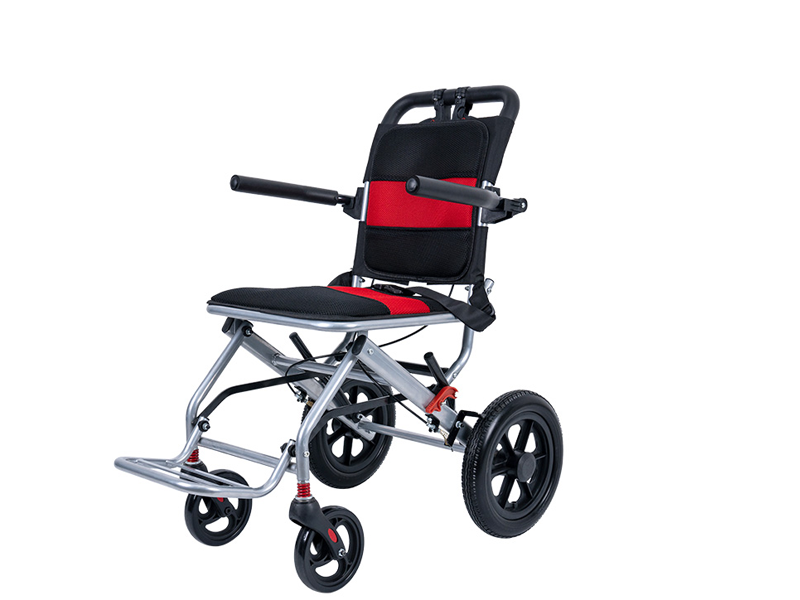
When evaluating lightweight wheelchairs, the YSM2003 Manual Wheelchair stands out as an archetype of what a compact, everyday wheelchair should be. With a net weight of just 11 kg, it is designed for effortless transport and daily mobility.
Its compact folding size of 72 × 53 × 32 cm fits easily in car trunks and narrow storage spaces, making it a perfect companion for travel, hospital stays, or everyday use at home.
Unlike bulky institutional chairs, the YSM2003 combines a foldable backrest with ergonomic seating (40 cm seat width, 38 cm seat depth, 48 cm seat height) that supports comfortable posture without compromising structural strength. Rear hand brakes enhance safety by giving both users and caregivers better control over speed and stopping.
Even small details — like flip-up footrests — improve accessibility, allowing users to enter and exit the chair without wrestling hardware. This is especially valuable for active individuals who transfer in and out frequently during the day. With a load capacity of 100 kg, this chair handles a wide range of adult users.
In essence, this wheelchair brings together lightweight convenience, compact form, and daily practicality in a single low-profile package — an ideal match for modern mobility demands.
While weight and compactness are critical, the human-centered design defines how a wheelchair feels during real use. Comfort isn’t simply about the seat — it’s about how the chair supports the body over hours of sitting and movement. A well-designed manual wheelchair must balance cushion firmness, posture alignment, back support, and ease of propulsion.
In the YSM2003, features like a supportive backrest height of 43 cm and carefully angled seat dimensions help distribute pressure evenly, reducing fatigue during longer usage. The chair’s geometry also promotes efficient self-propulsion — a crucial benefit for active users who rely on their own strength rather than constant assistance.
This ergonomic focus enhances confidence and reduces musculoskeletal strain. A comfortable seating experience contributes directly to a user’s ability to remain active, social, and engaged with daily life.
Mobility needs are deeply personal and vary widely across life stages. Families caring for children with mobility challenges face a different set of priorities — and the compact, lightweight philosophy works equally well here with age-adapted adjustments.
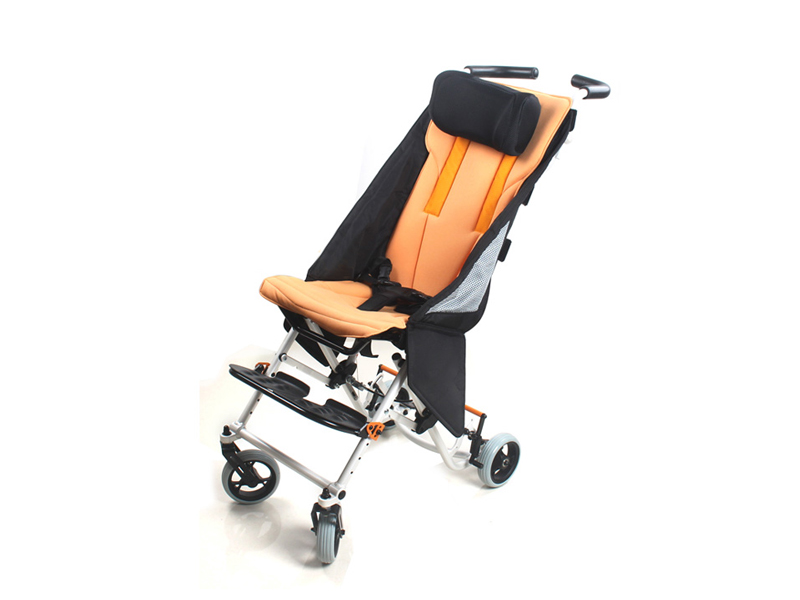
Consider the Foldable Children’s Wheelchair with Adjustable Backrest (YSM‑PONY), a model built around the idea that mobility should grow with a child. Weighing only 7 kg net (11 kg gross), this wheelchair is easily managed by caregivers and fits conveniently into cars or school transport.
Children come in all shapes and sizes, and their wheelchair should adapt accordingly. The YSM‑PONY features a three-position adjustable backrest and multi-level seat depth settings that ensure comfortable posture as a child grows. Height-adjustable foot support and headrest add further comfort for longer days at school, play, or therapy sessions.
Safety is paramount for children. Built-in features like a secure 3-point belt and reliable braking system provide peace of mind for parents and caregivers. The wheelchair’s sturdy aluminum alloy frame delivers durability without excess bulk, striking a balance that supports both safe indoor use and encounters with uneven surfaces outdoors.
This emphasis on adjustability, comfort, and lightweight design reflects a holistic approach to mobility, ensuring that even the youngest users can live an active, engaged life without being held back by heavy, clunky equipment.
Opting for a compact manual wheelchair is often more than choosing a product — it’s choosing a lifestyle. Lightweight chairs open doors, reduce barriers, and build autonomy. They are frequently preferred even by those who have access to powered wheelchairs, since they offer simplicity, control, and travel-friendliness that larger motorized units cannot match.
But beyond personal choice, lightweight manual wheelchairs serve families, caregivers, and healthcare environments by reducing physical strain and improving logistics. They are easier to clean, maintain, transport, and adapt to various settings — from carpeted homes to travel terminals and everyday urban sidewalks.
Before investing in any wheelchair, consider everyday usage patterns:
Weight and Portability: If you travel often or load the chair into vehicles, priority should be placed on lightweight, foldable design.
Seat Dimensions and Ergonomics: Comfort and pressure distribution are linked to seat width, depth, backrest height, and cushion quality.
Dynamic Use: Think about how often you will propel the chair yourself versus relying on a companion.
Safety Features: Brakes, reliable wheels, and sturdy frames are essential for confident movement on varied surfaces.
Growth and Adaptability (for children): Adjustable features ensure the chair remains useful over years of growth.
By focusing on these elements, users and caregivers can find a chair that feels like an extension of the body — not just a mobility aid.
Mobility is more than motion — it is freedom, choice, and opportunity. Lightweight compact manual wheelchairs bridge the gap between necessity and possibility. Whether it’s the 11 kg manual wheelchair like the YSM2003 or the thoughtfully adaptable YSM‑PONY children’s model, these chairs reflect a powerful shift in how we think about personal mobility in the 21st century.
For anyone navigating life with mobility needs — from active adults to growing children — lightweight manual wheelchairs offer a compelling combination of practicality, comfort, and independence. They don’t just make movement easier — they make life richer.