Our Location
Free Trade Tower, Xiyong street.
Chongqing, China

Free Trade Tower, Xiyong street.
Chongqing, China
Basketball is a sport built on speed, precision, teamwork, and constant movement. For wheelchair basketball athletes, every turn, sprint, pass, and shot depends not only on skill and training but also on the equipment that supports their performance. A well-designed basketball wheelchair is not simply a mobility device; it is an essential sports tool that helps athletes maximize control, stability, and confidence on the court.
Traditional wheelchairs are designed mainly for daily mobility, while professional sports wheelchairs are engineered specifically for athletic performance. They feature lightweight frames, optimized balance, responsive handling, and customized positioning systems that allow players to move quickly while maintaining control during intense competition.
Among modern options, lightweight sports wheelchairs have become increasingly popular among athletes because they provide improved maneuverability without sacrificing durability. Whether used for wheelchair basketball competitions, training sessions, adaptive sports programs, or recreational games, the right sports wheelchair can significantly improve the overall experience.
For athletes looking for a reliable combination of strength, flexibility, and performance, models such as the Manual Sports Wheelchair YSM2101, Ergonomic Sport Wheelchair, and Lightweight Sports Wheelchair YSM2110 from Iyasomed represent practical solutions designed around the needs of active users.
A basketball wheelchair must handle movements that ordinary wheelchairs are not designed for. On the court, athletes frequently perform rapid acceleration, sudden stops, sharp turns, and physical contact with other players. These actions require a wheelchair that responds immediately and remains stable under pressure.
The most important difference between a standard wheelchair and a basketball wheelchair is the focus on athletic dynamics. Sports wheelchairs are usually built with a lower center of gravity, angled wheels, and a rigid frame structure. These features help athletes achieve better balance and faster direction changes.
A lightweight frame is especially valuable because reducing unnecessary weight allows players to conserve energy throughout a game. In wheelchair basketball, where every second matters, easier handling can translate into better defensive positioning, faster transitions, and more efficient movement.
Another important factor is seating design. A properly designed sports wheelchair supports the athlete’s posture while allowing freedom of movement. The seating position influences shooting ability, ball control, and overall stability. Professional athletes often customize seat angles, footrest positions, and back support according to their playing style and body requirements.
Weight plays a major role in sports performance. A lighter wheelchair allows athletes to react faster and maintain better control during competitive play.
However, lightweight does not mean fragile. Advanced sports wheelchairs use carefully selected materials and engineering methods to balance strength and reduced weight. The goal is to create a frame that can withstand repeated impact while remaining responsive during movement.
For basketball athletes, lightweight construction offers several advantages:
Faster acceleration:
A lighter frame requires less effort to push, helping players reach higher speeds quickly during offensive and defensive movements.
Improved maneuverability:
Quick turns are essential in basketball. A responsive wheelchair allows athletes to change direction smoothly while maintaining stability.
Reduced fatigue:
During long training sessions or tournaments, reduced pushing resistance helps athletes conserve energy.
Better transportation convenience:
Many athletes travel frequently for competitions. A lightweight sports wheelchair is easier to transport, load, and store.
When selecting a basketball wheelchair, athletes should not focus only on weight. The ideal chair must combine lightweight construction with proper balance, durability, comfort, and adjustability.
Choosing a sports wheelchair requires understanding how design elements affect performance. A professional basketball wheelchair should be evaluated based on several important factors.
The frame is the foundation of the wheelchair. A strong yet lightweight frame provides the stability needed for aggressive movements on the court. Sports-specific frames are usually designed to handle repeated impacts while maintaining structural integrity.
A lower seating position helps create a lower center of gravity, improving balance when turning or competing against other players. This design allows athletes to move confidently without feeling unstable.
The angle of the rear wheels, often known as camber, influences how easily a wheelchair turns. Increased wheel angles generally improve quick movement and side-to-side control, which are critical in basketball.
Players who rely on speed and agility often prefer designs that offer responsive handling because they need to react instantly during fast-paced situations.
Comfort directly affects athletic performance. A poorly fitted wheelchair can create discomfort and reduce concentration during games.
Ergonomic sports wheelchair designs focus on supporting the athlete’s natural posture while maintaining freedom of movement. Proper seating reduces unnecessary strain and helps players stay focused throughout training and competition.
Every athlete has different body dimensions, playing styles, and performance goals. A quality basketball wheelchair should provide adjustment options for seat position, support structure, and overall configuration.
Customization allows athletes to create a chair that feels like an extension of their body rather than just a piece of equipment.
For athletes searching for a reliable basketball wheelchair, Iyasomed offers several sports wheelchair models designed for different performance needs. Each model focuses on mobility, comfort, and athletic efficiency.
The Manual Sports Wheelchair YSM2101 is designed for athletes who need dependable performance during sports activities. Its sports-oriented structure provides a balance between stability and mobility, making it suitable for wheelchair basketball training, competitions, and active users.
One of the key advantages of this model is its focus on responsive movement. Basketball requires constant changes in direction, and athletes need a wheelchair that reacts naturally to their pushing force. The YSM2101 design supports efficient movement while helping players maintain control during fast actions.
The chair’s sports-focused configuration makes it suitable for users who want a professional-style wheelchair without unnecessary complexity. It provides a practical solution for athletes who value durability, maneuverability, and consistent performance.
For basketball players developing their skills or experienced athletes looking for a dependable sports wheelchair, the YSM2101 can be an excellent foundation for improving court performance.
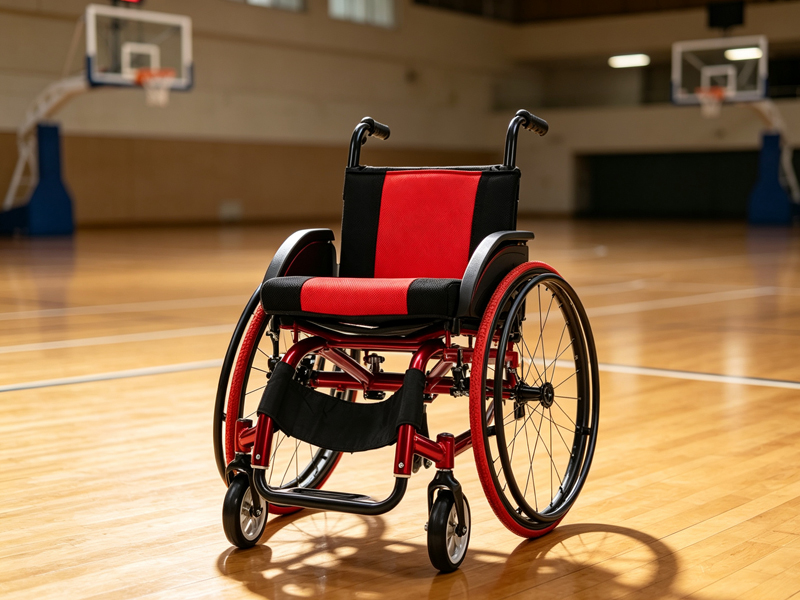
The Ergonomic Sport Wheelchair focuses on the connection between human body movement and wheelchair performance.
Ergonomic design is especially important in sports because athletes spend extended periods training and competing. The wheelchair must provide proper support while allowing natural upper-body movement.
A well-designed ergonomic sports wheelchair can help athletes maintain better posture, reduce unnecessary physical stress, and improve overall comfort during intense activities.
For players who participate in frequent training sessions or long tournaments, comfort becomes a performance advantage. When an athlete feels secure and supported, they can focus more completely on strategy, teamwork, and execution.
This type of wheelchair is also valuable for adaptive sports programs and organizations that need equipment suitable for different levels of athletic experience.
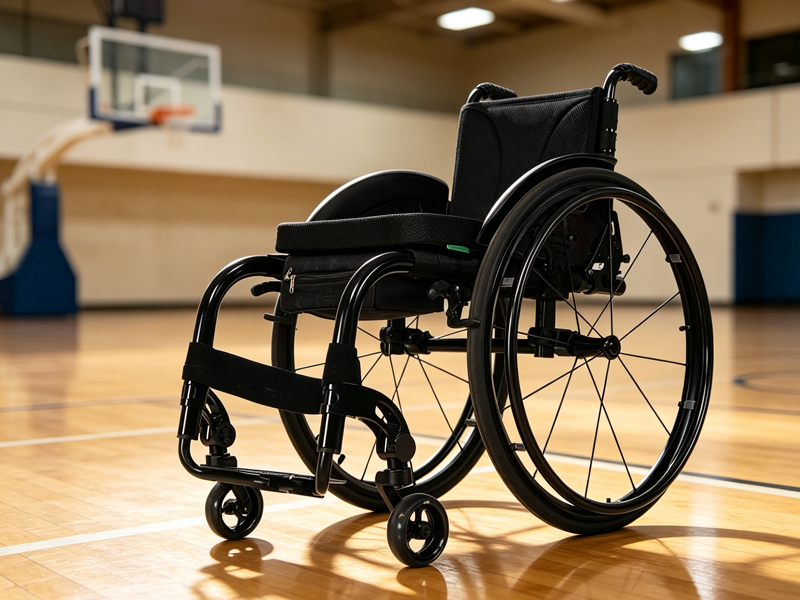
For athletes who prioritize speed, flexibility, and easy handling, the Lightweight Sports Wheelchair YSM2110 is designed to meet the demands of modern adaptive sports.
Lightweight sports wheelchairs have become increasingly important in competitive environments because athletes need equipment that can respond quickly to their movements. The YSM2110 focuses on reducing unnecessary weight while maintaining the strength required for daily training and sports performance.
A lightweight structure allows players to move more efficiently across the court. In wheelchair basketball, where quick reactions and rapid transitions often determine the outcome of a play, having a responsive wheelchair can provide a meaningful advantage.
The YSM2110 is suitable for athletes who want improved mobility without compromising reliability. It can support users who participate in basketball, adaptive sports activities, and other high-movement environments where performance and comfort are equally important.
For competitive players, the ideal wheelchair should feel natural during movement. The goal is not simply to move faster but to create a smoother connection between the athlete and the equipment. A well-designed lightweight sports wheelchair helps athletes focus on their skills instead of adjusting constantly to their chair.
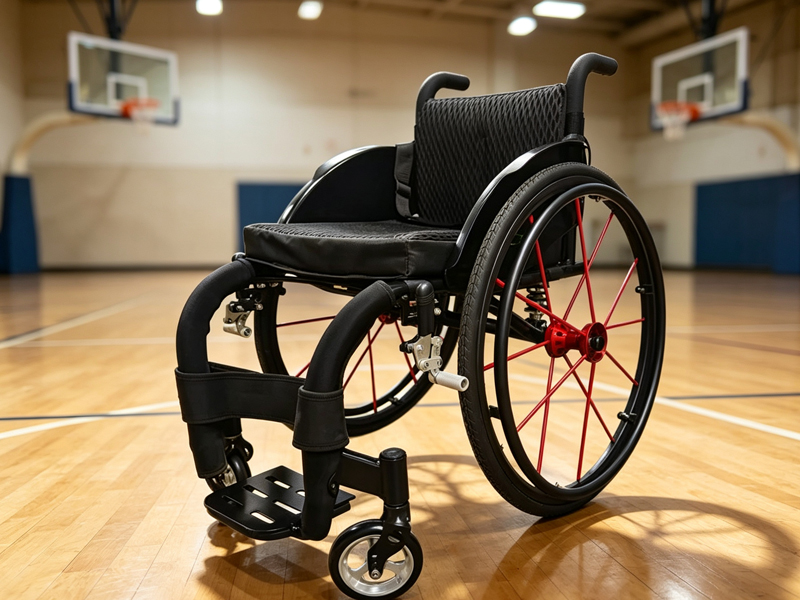
Selecting a basketball wheelchair is a personal decision. The best option depends on an athlete’s physical condition, playing position, experience level, and performance goals.
A beginner athlete may prioritize stability and comfort while developing fundamental skills. More experienced competitors may look for advanced maneuverability, lower weight, and customized positioning to gain additional performance advantages.
Before choosing a wheelchair, athletes should consider the following factors.
Different basketball positions require different movement patterns.
A defensive player may need a highly stable wheelchair that allows quick lateral movement and strong positioning during defense. An offensive player may prefer a lighter and more agile design that supports fast attacks and transitions.
Understanding personal playing style helps athletes select a wheelchair that matches their needs.
A sports wheelchair should fit the athlete’s body properly. The relationship between the seat, back support, footrest, and wheel position directly affects comfort and performance.
A chair that is too large may reduce control, while a chair that is too restrictive may limit movement. Proper fitting allows athletes to transfer power efficiently from their upper body into wheelchair movement.
Athletes who train several times per week require equipment designed for regular use. Durability becomes especially important for professional teams, sports clubs, and rehabilitation programs.
For occasional recreational players, comfort and ease of use may become higher priorities.
Many wheelchair basketball athletes travel for tournaments and events. A lightweight and practical design can make transportation easier, especially when moving equipment between locations.
A wheelchair that combines performance with portability provides greater convenience for active lifestyles.
Wheelchair basketball has developed from a rehabilitation activity into a globally recognized competitive sport. Today, athletes around the world participate in local leagues, international competitions, and professional adaptive sports programs.
This growth has increased demand for specialized equipment that supports athletic development. Modern sports wheelchairs are no longer viewed only as mobility solutions; they are performance tools that help athletes achieve personal and competitive goals.
High-quality basketball wheelchairs contribute to greater participation by making sports more accessible. They allow athletes to experience independence, competition, teamwork, and the physical benefits of an active lifestyle.
For sports organizations, investing in reliable wheelchairs also creates opportunities to build stronger adaptive sports communities. Schools, rehabilitation centers, and professional teams increasingly recognize the importance of providing athletes with equipment designed specifically for sports.
A high-quality sports wheelchair represents an important investment, and proper maintenance can extend its service life while maintaining performance.
Athletes should regularly check important components such as wheels, tires, bearings, brakes, and frame connections. Small issues can affect movement efficiency if they are ignored for too long.
Cleaning is also important, especially for athletes who frequently play outdoors. Dust, moisture, and dirt can gradually affect mechanical parts and reduce smooth operation.
Storage conditions should also be considered. Keeping the wheelchair in a dry environment helps protect materials and prevents unnecessary wear.
Regular maintenance does not only protect the equipment; it also protects the athlete’s performance. A well-maintained wheelchair provides more predictable handling, allowing players to train and compete with confidence.
A basketball wheelchair is more than an accessory. It directly influences how athletes move, compete, and experience the game.
The right wheelchair can improve confidence because athletes know their equipment is designed to support their abilities. Whether someone is beginning their wheelchair basketball journey or competing at a higher level, choosing a suitable sports wheelchair is an important step toward better performance.
Models such as the Manual Sports Wheelchair YSM2101, Ergonomic Sport Wheelchair, and Lightweight Sports Wheelchair YSM2110 demonstrate how modern wheelchair design combines mobility, comfort, and athletic performance.
For athletes seeking reliable equipment, focusing on quality design, proper fit, and long-term usability is the key to making a successful choice.
A great sports wheelchair does not replace athletic ability—it helps athletes fully express it.
A basketball wheelchair is specifically designed for sports performance. Unlike everyday wheelchairs, it focuses on speed, stability, maneuverability, and athlete control.
Sports wheelchairs usually feature lightweight frames, specialized wheel positioning, lower centers of gravity, and ergonomic seating systems. These features allow athletes to perform quick turns, accelerate efficiently, and maintain balance during competitive games.
A regular wheelchair is mainly designed for daily mobility, while a basketball wheelchair is engineered for dynamic movements required in sports environments.
A lightweight sports wheelchair can provide significant advantages for competitive athletes because it improves maneuverability and reduces the effort required for movement.
However, the best wheelchair is not always the lightest option. Athletes should consider the complete design, including stability, comfort, durability, and customization possibilities.
A lightweight model such as the YSM2110 can be an excellent choice for athletes who need fast response and efficient movement, but the final decision should match the player’s individual requirements and playing style.
Choosing the right basketball wheelchair requires considering several factors, including body measurements, playing position, experience level, and training frequency.
Athletes should evaluate:
Professional guidance from sports wheelchair specialists can also help athletes find a configuration that matches their goals.
The best basketball wheelchair is the one that allows the athlete to move confidently, comfortably, and efficiently on the court.
The future of adaptive sports continues to grow, and advanced equipment plays an important role in helping athletes reach new levels of performance. A basketball wheelchair should provide more than basic mobility—it should offer control, confidence, and the freedom to compete.
Lightweight sports wheelchairs, ergonomic designs, and performance-focused frames are changing the way athletes experience wheelchair basketball. By choosing a well-designed model that matches individual needs, athletes can enjoy greater comfort, improved movement, and a stronger connection with the sport they love.
Whether for professional competition, team training, or personal fitness, investing in the right sports wheelchair is an investment in performance, independence, and a more active future.