Our Location
Free Trade Tower, Xiyong street.
Chongqing, China

Free Trade Tower, Xiyong street.
Chongqing, China
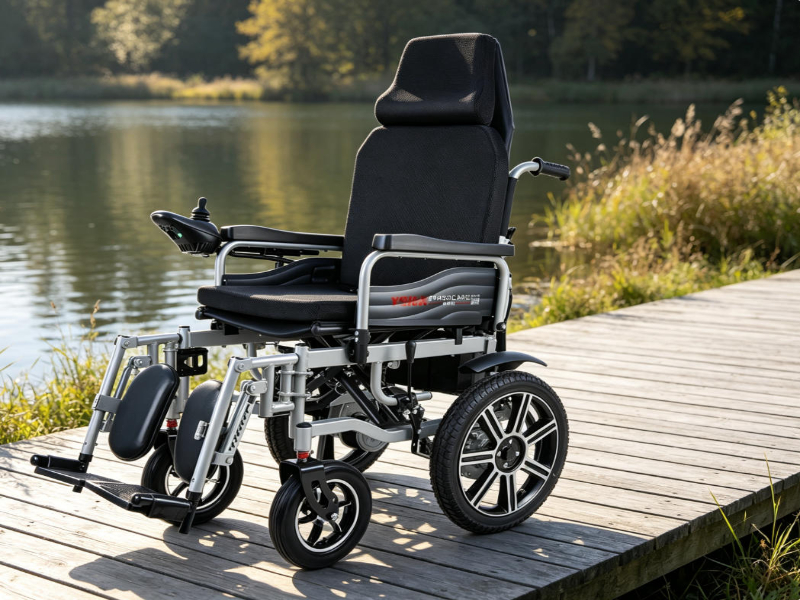
Comfort is no longer a luxury in modern mobility—it is a necessity. For seniors, individuals with disabilities, rehabilitation patients, and long-term wheelchair users, spending several hours in the same sitting position can lead to fatigue, muscle stiffness, pressure discomfort, and poor circulation. As healthcare professionals continue to emphasize posture management and pressure relief, full reclining wheelchairs have become one of the most practical mobility solutions for both home care and daily independence.
Unlike conventional wheelchairs that maintain a fixed seating angle, a full reclining wheelchair allows the backrest and leg rests to be adjusted according to the user’s physical condition and daily activities. Whether relaxing, reading, resting, recovering after surgery, or simply reducing pressure during prolonged sitting, an adjustable wheelchair provides significantly greater comfort while supporting healthier body positioning.
Today’s premium reclining wheelchairs are also designed with portability, safety, and intelligent mobility in mind. Many models combine ergonomic seating, electric driving systems, standing assistance, and customizable positioning to meet a wide variety of user needs.
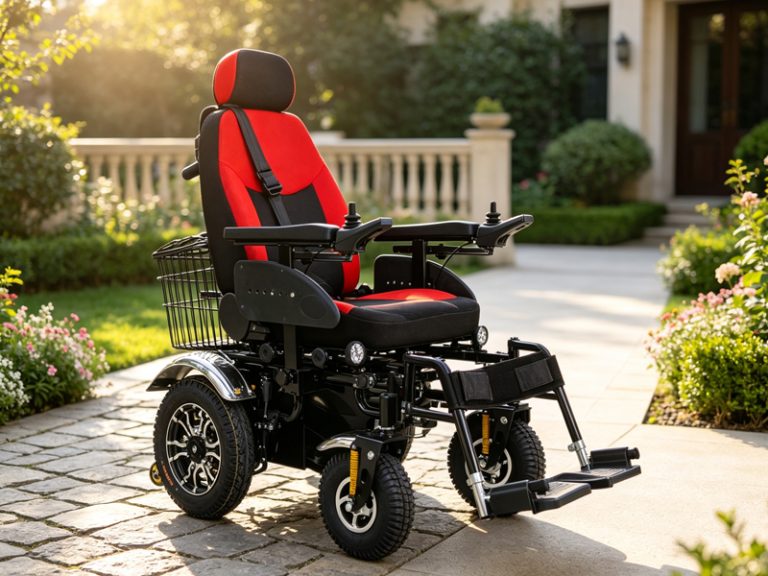
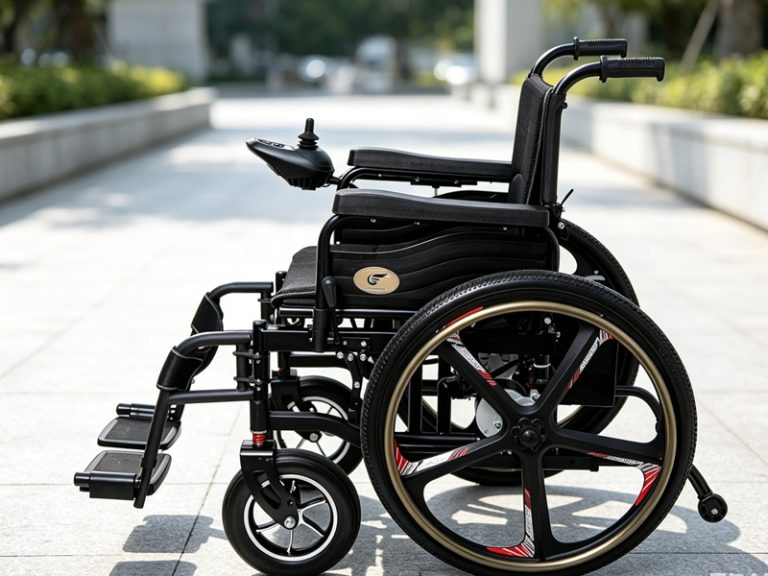
Among the latest mobility solutions available, the Wheelchair YSE109, Ergonomic Wheelchair YSE136, and Electric Standing Wheelchair with 360° Rotation represent three different approaches to improving comfort and independence through adjustable seating technology. Each model is designed for a specific lifestyle, yet all share the same goal: helping users move more comfortably while maintaining dignity, confidence, and freedom.
A wheelchair is often used for several hours every day. For users with limited mobility, remaining in one fixed position for extended periods can create physical discomfort and increase the risk of pressure-related complications.
A full reclining wheelchair addresses this challenge by allowing the seating position to change throughout the day. Instead of forcing the body into one posture, the backrest and leg rests can be adjusted to support different activities and physical conditions.
Reclining positions help distribute body pressure more evenly, reducing discomfort on the lower back, hips, and shoulders. Elevating the legs may also improve circulation for some users, particularly seniors who experience swelling after prolonged sitting.
Beyond physical comfort, adjustability also improves daily living. Users may prefer a more upright position while eating or communicating with family, a partially reclined angle when relaxing, and a deeper recline when resting.
For caregivers, adjustable positioning makes daily assistance easier during personal care, dressing, transfers, or rehabilitation exercises.
The result is not simply a more comfortable wheelchair—it is a mobility solution that adapts to the user’s changing needs throughout the day.
Not every reclining wheelchair delivers the same experience. The best models are designed around stability, ergonomic support, durability, and ease of adjustment rather than simply adding a reclining mechanism.
A properly designed reclining system should move smoothly while maintaining the user’s balance and posture. Sudden position changes or unstable structures may reduce comfort rather than improve it.
Seat ergonomics also play a critical role. Pressure distribution, lumbar support, armrest positioning, and adjustable leg rests all contribute to long-term sitting comfort.
For powered models, intuitive controls allow users to adjust seating positions independently, improving autonomy without relying on caregivers.
Frame quality is equally important. Lightweight yet durable materials improve transportation while maintaining structural stability.
Battery performance becomes essential for electric reclining wheelchairs, especially for users who spend long periods away from home.
Ultimately, the goal is not simply to recline—it is to create a healthier, safer, and more adaptable seating experience.
The Wheelchair YSE109 is designed for users who require dependable daily mobility combined with enhanced seating comfort.
Unlike traditional wheelchairs with fixed backrests, the YSE109 allows users to adjust their sitting position according to their comfort level throughout the day. This flexibility is particularly valuable for seniors and individuals who remain seated for extended periods.
The reclining function helps reduce physical fatigue while providing greater relaxation during longer journeys or home use. Users recovering from surgery or managing chronic mobility conditions often benefit from the ability to change posture without leaving the wheelchair.
Another advantage of the YSE109 is its versatility. It can be used in homes, rehabilitation facilities, nursing environments, and healthcare settings where both mobility and comfort are priorities.
Its practical design makes it suitable for users who want improved posture support while maintaining everyday functionality. Rather than serving only as a transportation device, the wheelchair becomes part of a more comfortable daily routine.
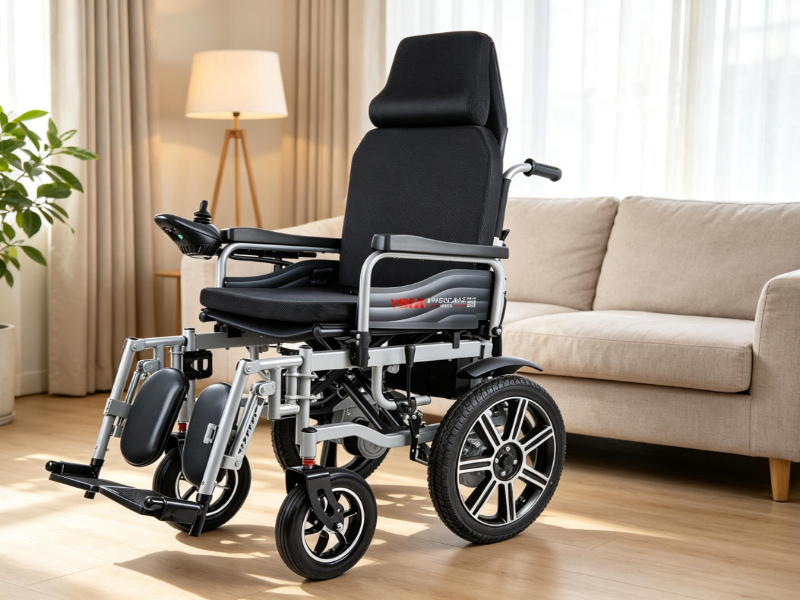
The Ergonomic Wheelchair YSE136 focuses on one essential principle: the wheelchair should fit the user, not the other way around.
Ergonomic design has become increasingly important in rehabilitation and long-term care because posture directly influences comfort, muscle fatigue, and overall mobility experience.
The YSE136 incorporates ergonomic seating concepts that support natural body alignment while helping reduce unnecessary pressure on key contact points. Combined with an adjustable seating system, the wheelchair provides improved comfort during prolonged use.
For users who spend much of the day in their wheelchair, small improvements in posture can make a significant difference over time. Better support encourages healthier positioning, reduces discomfort, and enhances confidence during everyday activities.
The YSE136 is particularly suitable for seniors, rehabilitation patients, and users who prioritize long-term seating comfort rather than simply mobility.
Its balanced design demonstrates that comfort and functionality can work together without unnecessary complexity.
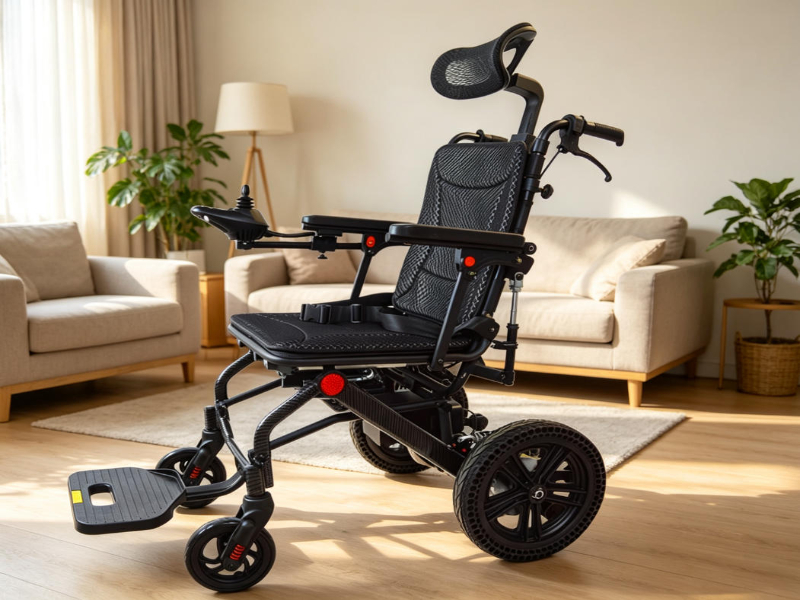
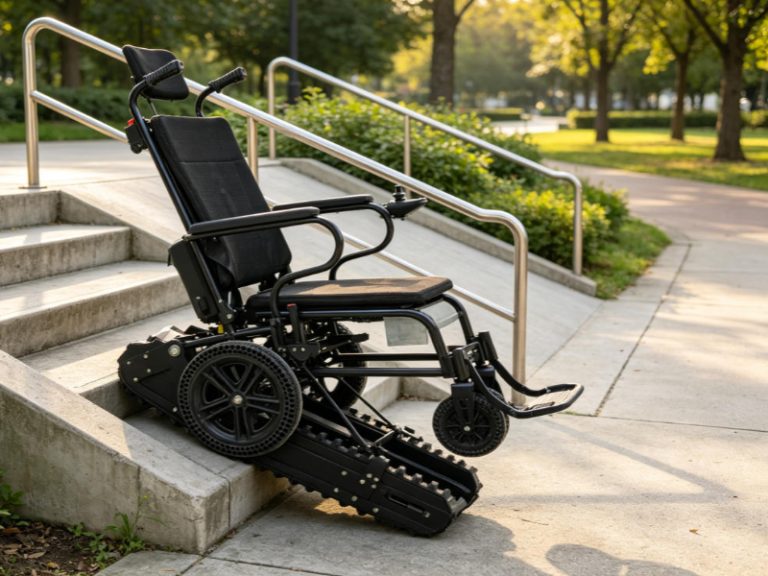
The Electric Standing Wheelchair with 360° Rotation represents one of the most advanced mobility solutions available for users seeking greater independence.
While reclining improves comfort, standing technology introduces an entirely different level of mobility support.
Standing functions allow users to elevate themselves into an upright position, which can improve social interaction, accessibility, and participation in everyday tasks. Reaching shelves, communicating at eye level, or performing certain daily activities becomes more practical.
The integrated 360-degree rotation system further enhances maneuverability, allowing smoother movement within confined indoor environments.
For rehabilitation users, standing functions may also support certain therapeutic goals under professional guidance, while many users simply appreciate the psychological benefits of changing from a seated to a standing position.
The combination of electric mobility, adjustable positioning, and standing capability demonstrates how wheelchair technology continues to evolve beyond traditional transportation.
For users seeking maximum versatility and advanced mobility assistance, the Electric Standing Wheelchair with 360° Rotation offers an innovative solution.
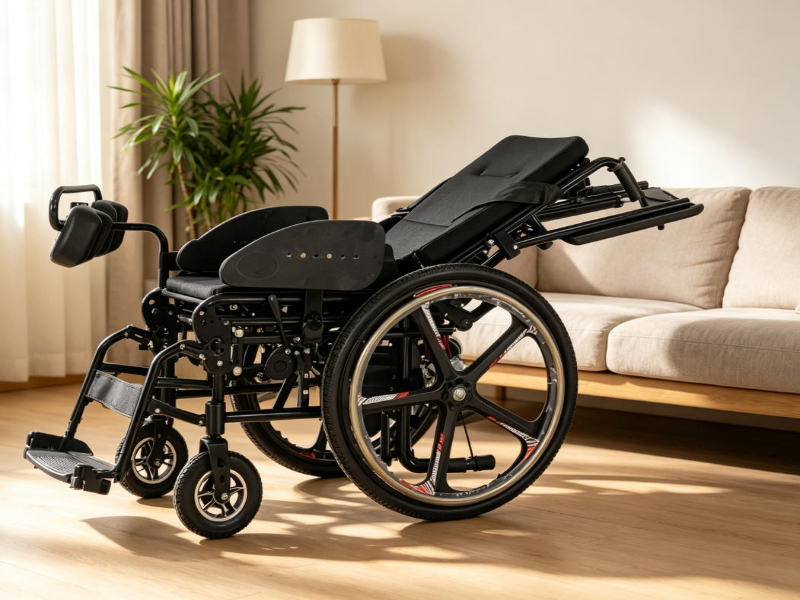
Choosing the right adjustable wheelchair depends largely on personal mobility requirements, daily activities, and physical condition.
The Wheelchair YSE109 is an excellent option for users who prioritize reclining comfort and reliable everyday mobility. It provides flexible positioning while maintaining practical usability for home and healthcare environments.
The Ergonomic Wheelchair YSE136 is best suited for users who spend extended periods seated and require enhanced posture support through ergonomic design.
The Electric Standing Wheelchair with 360° Rotation is ideal for users seeking advanced independence through powered standing assistance, intelligent maneuverability, and multifunctional mobility.
Rather than comparing products by technical specifications alone, users should consider how each model supports their own lifestyle and long-term comfort.
For individuals with reduced mobility, comfort directly affects independence.
A wheelchair that supports healthy posture allows users to remain active for longer periods without excessive fatigue. Adjustable seating encourages participation in family gatherings, work, social activities, rehabilitation programs, and travel.
For caregivers, reclining functions simplify many aspects of daily assistance by improving access during personal care and reducing physical strain during positioning.
Modern mobility equipment is increasingly designed around user experience rather than basic transportation. The ability to change positions, improve comfort, and maintain dignity contributes significantly to overall well-being.
As wheelchair technology continues to advance, adjustable seating systems will remain one of the most valuable innovations in rehabilitation and long-term mobility care.
A full reclining wheelchair is more than an adjustable chair—it is an investment in comfort, independence, and better daily living.
The Wheelchair YSE109 provides dependable reclining functionality for users seeking practical everyday mobility.
The Ergonomic Wheelchair YSE136 delivers superior posture support through thoughtful ergonomic design, making it an excellent choice for long-term comfort.
The Electric Standing Wheelchair with 360° Rotation introduces advanced standing assistance and exceptional maneuverability for users who require greater flexibility and independence.
Selecting the right mobility chair should always begin with understanding the user’s physical needs, lifestyle, and long-term goals. When comfort, adjustability, and mobility are combined in a well-designed wheelchair, users gain much more than improved transportation—they gain greater confidence, improved quality of life, and the freedom to participate more fully in everyday experiences.
Full reclining wheelchairs are ideal for seniors, individuals with disabilities, rehabilitation patients, and users who spend extended periods in a wheelchair. Adjustable backrests and leg rests help improve comfort, reduce pressure, and support healthier posture throughout the day.
A reclining wheelchair focuses on adjustable seating positions that allow users to change the angle of the backrest and leg rests. An ergonomic wheelchair emphasizes body support, pressure distribution, and natural posture. Many modern wheelchairs combine both features to maximize comfort.
A standing wheelchair serves a different purpose. It allows users to transition into an upright position, improving accessibility and interaction while supporting certain rehabilitation goals. A reclining wheelchair primarily focuses on comfort and pressure relief. The best choice depends on the user’s mobility needs, physical condition, and daily activities.