Our Location
Free Trade Tower, Xiyong street.
Chongqing, China

Free Trade Tower, Xiyong street.
Chongqing, China
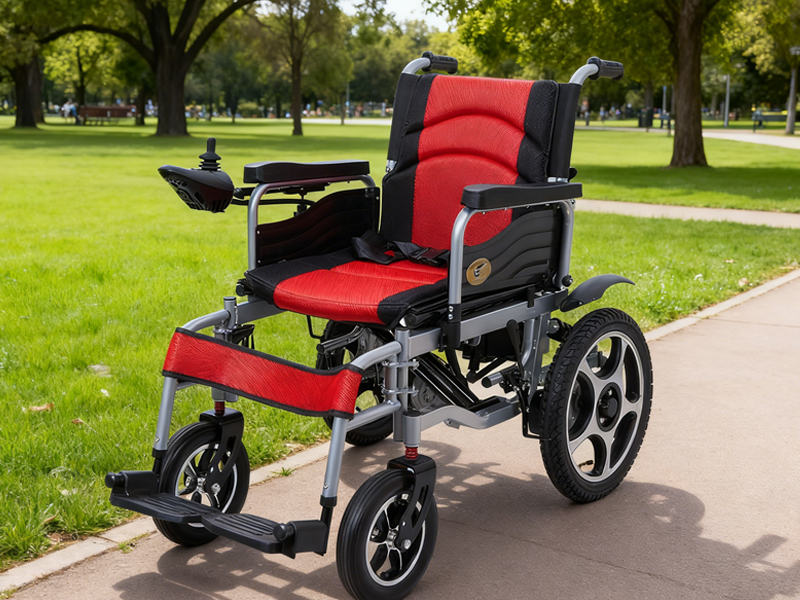
Choosing the right power wheelchair is a life-changing decision. Whether for yourself or a loved one, the right wheelchair can significantly improve mobility, independence, and overall quality of life. However, with countless options on the market, selecting the perfect model can be overwhelming. This guide provides an in-depth look at the essential features you need to consider, helping you make an informed, confident decision.
Before diving into specific features, it’s critical to understand the role a power wheelchair plays in daily life. Power wheelchairs are designed to:
Enhance mobility: Allow users to navigate both indoor and outdoor environments with ease.
Improve independence: Reduce reliance on caregivers for movement.
Provide comfort: Offer seating systems that support proper posture and reduce strain.
Support medical needs: Some wheelchairs come with specialized features for spinal support, pressure relief, or chronic conditions.
Knowing your goals—whether mobility, comfort, or long-term health benefits—will shape the features you prioritize.
Power wheelchairs generally fall into three categories:
Standard Power Wheelchairs: Suitable for most users; ideal for smooth indoor surfaces.
Mid-Wheel or Center-Wheel Drive: Offers tight turning radius and excellent indoor maneuverability.
Rear-Wheel Drive: Better stability at higher speeds, suitable for outdoor terrain.
Front-Wheel Drive: Superior traction on inclines and rough terrain.
Tip: Consider the environments where the wheelchair will be used most. Indoor-focused users benefit from mid-wheel drive, while outdoor-focused users may prefer rear- or front-wheel drive.
The seating system is one of the most critical aspects of comfort and health. Key factors include:
Cushion type: Foam, gel, or air cushions each provide unique benefits for pressure relief.
Adjustability: Tilt-in-space and recline functions can reduce pressure sores and enhance comfort.
Backrest height and support: Adjustable backrests help maintain proper spinal alignment.
Armrest and footrest options: Swing-away or elevating footrests and adjustable armrests improve accessibility and comfort.
A well-designed seating system reduces fatigue, prevents secondary health issues, and enhances daily mobility.
Battery performance directly impacts independence. When evaluating battery options, consider:
Range per charge: Most standard power wheelchairs offer 10–20 miles per charge, but some advanced models reach 25–35 miles.
Battery type: Lead-acid (heavier, cheaper) vs. lithium-ion (lighter, longer-lasting).
Charging time: Lithium-ion batteries typically charge faster.
Spare battery options: Some models allow hot-swapping for continuous mobility.
The drive system determines handling, stability, and adaptability to terrain. Consider:
Suspension: Full suspension improves comfort on uneven surfaces.
Terrain adaptability: Look for models that handle gravel, grass, or inclines if outdoor use is frequent.
Speed: Typical speed ranges from 3–8 mph; faster speeds may be desirable for outdoor travel.
A strong drive and suspension system ensures smoother rides, fewer bumps, and better long-term durability.
A power wheelchair is only as good as its control system. Evaluate:
Joystick placement: Left or right-side configuration based on user preference.
Programmable controls: Allow customization for sensitivity and speed.
Alternative control options: Sip-and-puff, head arrays, or touchscreens for users with limited hand mobility.
Safety features: Automatic braking, speed limiters, and anti-tip sensors increase safety.
Pro Tip: Test the controls before purchase; comfort and intuitiveness are key for daily use.
Consider whether the wheelchair needs to be transported frequently:
Foldable vs. non-foldable: Folding models are easier to store and travel with but may sacrifice stability.
Weight: Lighter models are easier to load into vehicles.
Detachable components: Batteries, footrests, and armrests that can be removed improve portability.
Travel-friendly designs are especially important for active users who plan to take the wheelchair on trips.
Power wheelchairs often allow extensive customization, such as:
Cushions and pressure relief systems
Tray tables or lap desks
Cup holders, storage bags, or oxygen tank holders
Lighting systems for nighttime safety
Custom accessories improve usability and comfort, enhancing the user’s lifestyle.
Investing in a power wheelchair requires attention to long-term reliability:
Frame materials: Aluminum frames are lightweight; steel frames offer robust durability.
Brand reputation: Well-known brands often provide better support and replacement parts.
Warranty coverage: Look for comprehensive coverage on the frame, electronics, and batteries.
A durable wheelchair with solid warranty coverage reduces long-term maintenance costs and ensures reliability.
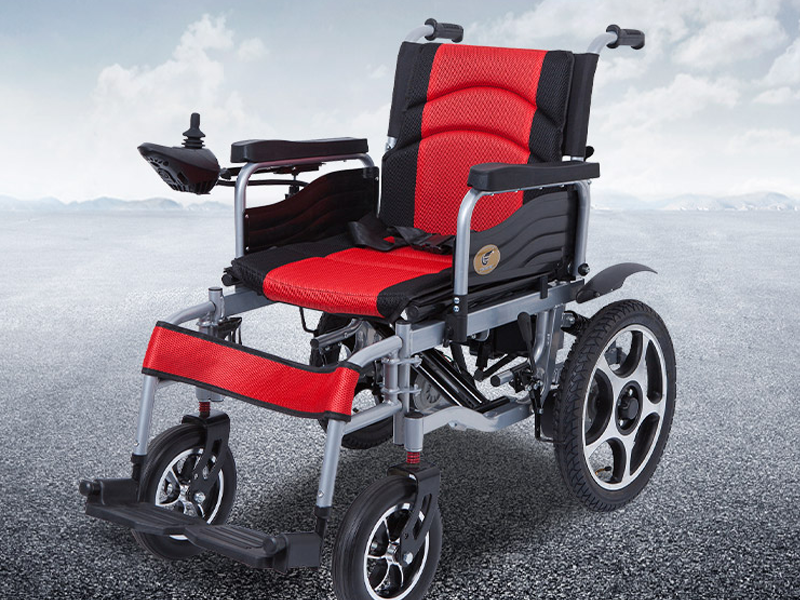
Every individual’s needs differ, so factor in personal considerations:
Medical requirements: Conditions like multiple sclerosis, spinal cord injury, or cerebral palsy may require specialized support.
Lifestyle: Active users may prioritize outdoor performance; home users may prioritize maneuverability and compact design.
Caregiver support: Some wheelchairs are designed for caregiver assistance, with push handles and remote controls.
Pro Tip: Consulting with a physical therapist or occupational therapist can help match features to your unique requirements.
Price ranges vary widely, from $1,500 to over $15,000. Consider:
Basic models: Typically range from $1,500–$3,500; suitable for indoor use with standard features.
Mid-range models: $4,000–$8,000; offer better comfort, range, and terrain adaptability.
Premium models: $8,000+; advanced customization, longer battery life, and superior suspension.
Trying a wheelchair before purchase is crucial. Key aspects to test include:
Comfort: Seat, backrest, and armrests
Maneuverability: Turning radius, speed control, and responsiveness
Terrain handling: Indoor surfaces, thresholds, ramps, and outdoor terrain
User interface: Ease of joystick control or alternative control systems
Many suppliers offer trial periods, ensuring the chosen wheelchair meets real-life needs.
The power wheelchair market is evolving rapidly. Keep an eye on:
Smart wheelchair technology: Bluetooth controls, GPS tracking, and health monitoring.
Lightweight, foldable models: Easier for travel and storage.
All-terrain capabilities: Advanced suspension systems allow smooth rides on diverse surfaces.
Eco-friendly batteries: Longer-lasting, sustainable lithium-ion options reducing environmental impact.
Being aware of these trends can future-proof your investment.
Prioritize essential features over aesthetics. Comfort and functionality matter more than color or style.
Consider long-term needs. Your mobility requirements may change; choose a model that can adapt.
Consult professionals. Occupational therapists can provide assessments and recommendations.
Read user reviews. Real-life feedback can highlight potential issues not listed in specs.
Budget realistically. Factor in batteries, accessories, and potential repairs.
Choosing a power wheelchair involves balancing comfort, performance, and personal needs. By carefully evaluating design, seating, battery life, controls, portability, and customization options, users can make informed decisions that significantly enhance mobility and quality of life.